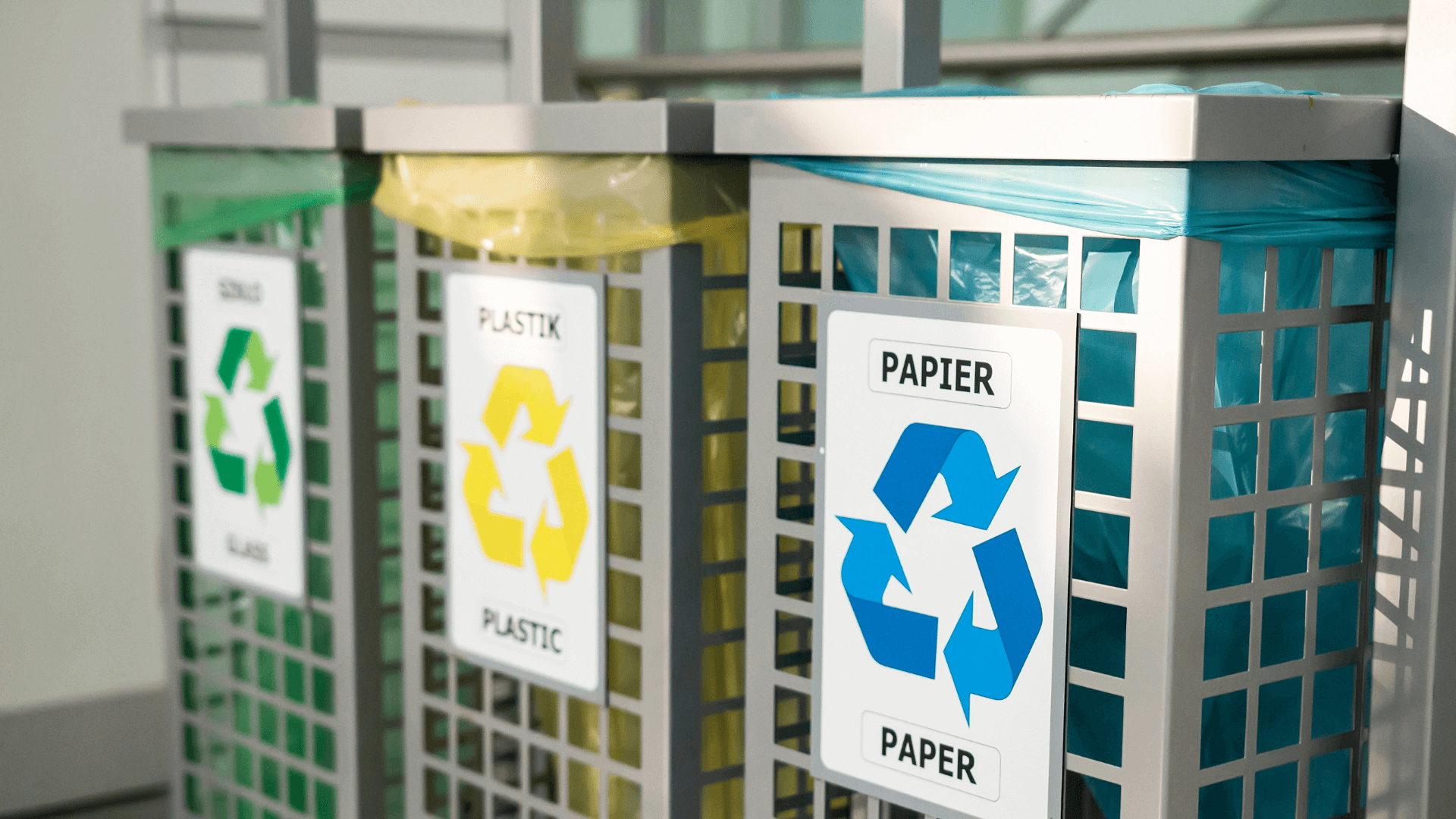
Efficient waste management is a growing challenge for urban and rural communities. With increasing population and environmental concerns, the need for smarter, more sustainable solutions is growing. Connectivity offers a transformative approach to waste management by integrating technology and data-driven strategies. From smart bins that monitor waste levels to connected systems that optimise collection routes, connectivity enables better resource management, reduces costs, and minimises the environmental impact.
How Does Traditional Waste Management Work?
Traditional waste management is often inefficient, relying on manual intervention which costs time and money. With traditional waste management work organisations operate on a set-schedule system, from cleaners checking bins and making bin liner changes, to rubbish and waste vehicle transportation routes.
An organisation must manually weigh bins, record the data, and enter it into their waste reporting systems to get information about their waste.
When these procedures are carried out manually and according to set timetables instead of on an as-needed basis, time and resources are used inefficiently, which results in needless bin liner replacements and labour expenses, an increase in the number of trash vehicles on the road that releases CO2, and additional expenses for processing waste facilities.
What is the Role of IoT in Advancing Waste Management?
The Internet of Things or IoT is transforming waste management. Integrating IoT with smart bins is a new era in which technology ensures efficient waste disposal. IoT helps track waste levels and types, optimise collection routes, and reduce carbon emissions by making fewer collection trips.
Additionally, IoT provides valuable data analytics that helps municipalities understand garbage production patterns and adjust their recycling programs accordingly. Because of this level of sophisticated data interpretation, IoT is a crucial component in enhancing waste management.
What is Smart Waste Management?
It is the use of technology and data to optimise waste management practices like sorting waste into various streams for collection, transport, and disposal. Smart waste management uses digital technology and tools like sensors, GPS and automation to manage waste in a more efficient, sustainable, and cost-effective way.
Sensor technology is at the forefront of making waste management more efficient. It can be used for a variety of things including monitoring bin levels to ensure they are emptied as needed, strategic bin placement, and making waste collection schedules and routes more efficient.
How Can Connectivity Improve Waste Management Systems?
Connectivity, or more specifically IoT improves waste management systems. IoT is a network of items that are enabled with sensors, software, and connectivity, allowing them to collect and exchange data. Data from connected devices and sensors can then be used to manage waste in close to real-time since the data is automatically sent to the cloud over a secure network.
With this data collection, manual data collection and entry is a thing of the past and it also provides a straightforward way to track waste goals, highlight areas for improvement, and measure the impact of workplace waste minimisation initiatives.
What Are the Benefits of Smart Bins for Urban Environments?
Cities with high population density and waste generation can greatly profit from the use of smart bins. These cutting-edge garbage containers can save unnecessary waste collection trips, avoid bin overflow, and promote recycling among individuals.
There are many benefits to this including:
- It improves the standard of living for locals.
- It helps preserve the environment
- It can help cities save money on waste removal.
IoT Solutions Enhancing Urban Waste Collection
There are different IoT solutions that are enhancing urban waste collection. Some of the solutions include:
Container Sensors
Sensors installed in waste containers are revolutionising how waste collection is managed. These sensors can measure different things including how full the bins are, and the temperature. It can even detect vibrations showing that someone is trying to access the bin or tip it.
The data collected by these sensors is transmitted through devices powered by SIM cards to a central platform, allowing waste management professionals to analyse and optimise collection routes and schedules. This reduces the frequency of collections for empty or under-filled containers, in turn, saving on operational costs and reducing carbon emissions from the waste collecting trucks.
Fleet Tracking
Real-time fleet tracking is another critical application of IoT in waste collection. By equipping waste collection vehicles with SIM-enabled tracking devices, waste management companies can monitor the location, speed, and performance of their fleet. More accurate task and route assignments are made possible by real-time data, increasing garbage collection efficiency and lowering fuel usage.
Container Access Control
Access control systems for bins, particularly in residential areas, can benefit significantly from IoT connectivity. Smart locks ensure that only authorised individuals can access the containers, preventing illegal dumping and optimising the use of container capacity. This data can also inform better route planning and resource allocation, making the waste collection process more efficient and less costly.