VoIP is a great asset for small businesses, however, there are often doubts regarding whether it works efficiently on low-bandwidth networks. It is important for small business owners to understand the working of VoIP on lower internet speeds and how its performance can be improved to ensure smooth continuity.
What Is Bandwidth and Why Is It Necessary In Understanding VoIP?
In technical terms, bandwidth is measured in megabits per second (Mbps) and indicates the amount of information that your internet connection can transmit in a span of seconds. VoIP utilises this bandwidth to make phone calls without any interruptions and with clarity. A lack of sufficient bandwidth can limit VoIP’s efficiency causing issues such as missed calls or low sound clarity.
What is the Bandwidth Reserve for VoIP?
The bandwidth reserve for VoIP refers to the minimum amount of internet speed required to ensure clear, uninterrupted voice communication. For small businesses, this typically means allocating around 100 kbps per simultaneous call, which includes both upload and download speeds. However, factors such as call quality settings, the number of active users, and additional internet usage should be considered.
Some Challenges That Arise From Low Bandwidth Networks
Poor Voice Quality
VoIP calls that are transmitted over low bandwidth networks are ‘talking in the middle of a nagging silence’ with echoes and delays or scratching sounds. Customers will have a different perspective on your professionalism with such call quality.
Call Dropouts
VoIP calls can be affected if the connection is weak which causes frequent disconnections.
Competition With Other Applications
While conversing via an internet connection, in a typical small office or home-office setup, other applications such as streaming and file downloads can cause an adverse effect on VoIP.
How To Improve Bandwidth For VoIP Use
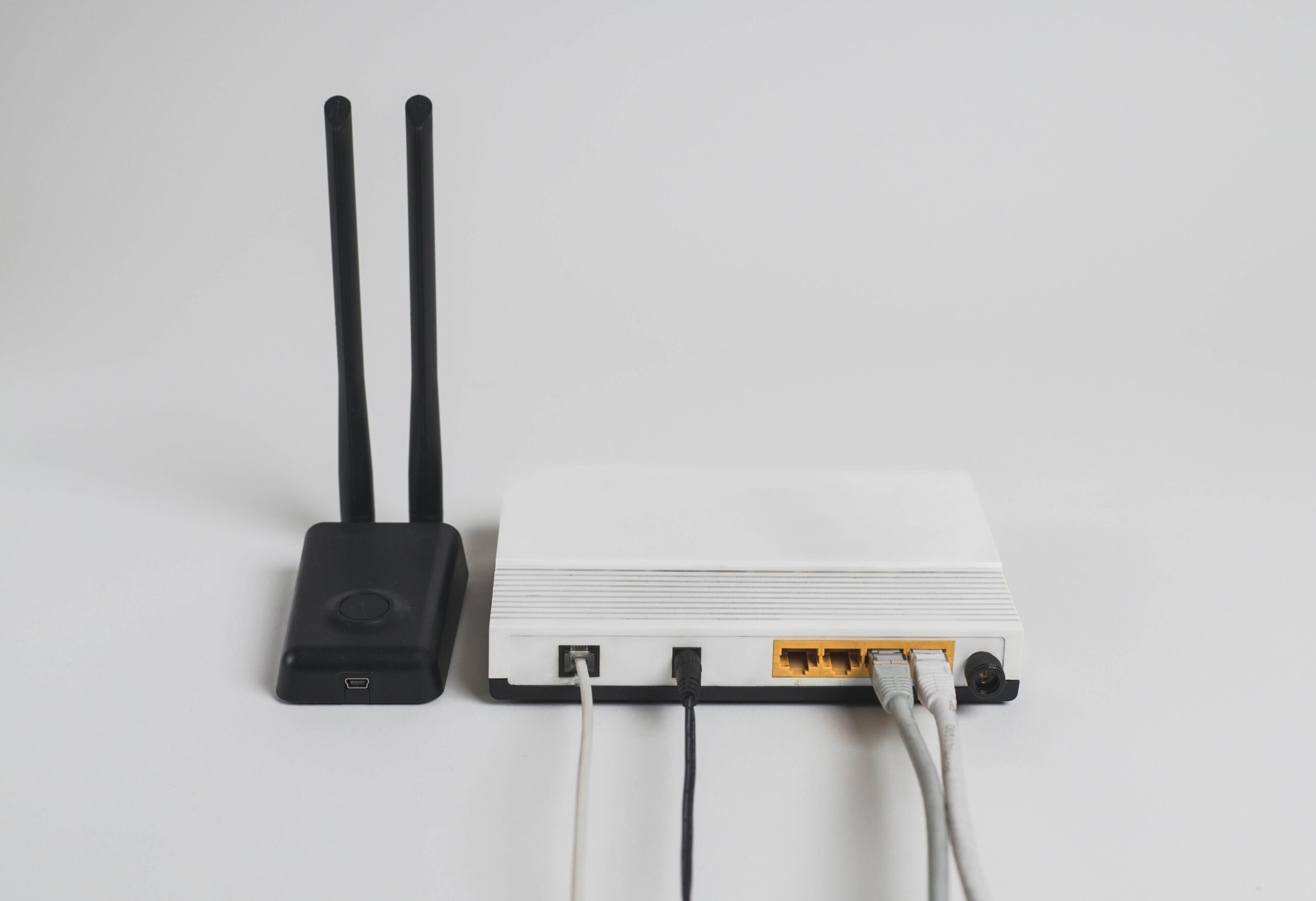
To maintain smooth performance, businesses often reserve or prioritise bandwidth for VoIP traffic using Quality of Service (QoS) settings on their routers. This ensures that VoIP calls are unaffected by other internet activities like file downloads or video streaming. A reliable internet connection with at least 1-5 Mbps is generally sufficient for most small businesses.
Give VoIP Traffic Higher Priority
To guarantee that calls will sound clear throughout VoIP activity, QoS parameters should be enabled on your router in order to give priority treatment to VoIP calls over normal internet traffic.
Connect Via Ethernet
A wired Ethernet connection, rather than Wfii, will supply adequate bandwidth for your VoIP system.
Change Your Internet Provider
If bandwidth problems still exist, it may be a good idea to switch to an internet provider that has a quicker service. There are inexpensive options in the UK for even small business operators.