VoIP technology is taking the UK by storm, with traditional phone lines becoming obsolete by the end of 2027. Wearable technology is one trending topic that many people are interested in knowing whether or not VoIP can easily be integrated.
What is VoIP Technology?
VoIP technology is the latest in telecommunications and uses the internet to transfer voice and video calls, rather than traditional phone lines. VoIP is not just available on smartphones but across all smart devices, including laptops and smart homes.
What is Wearable Technology?
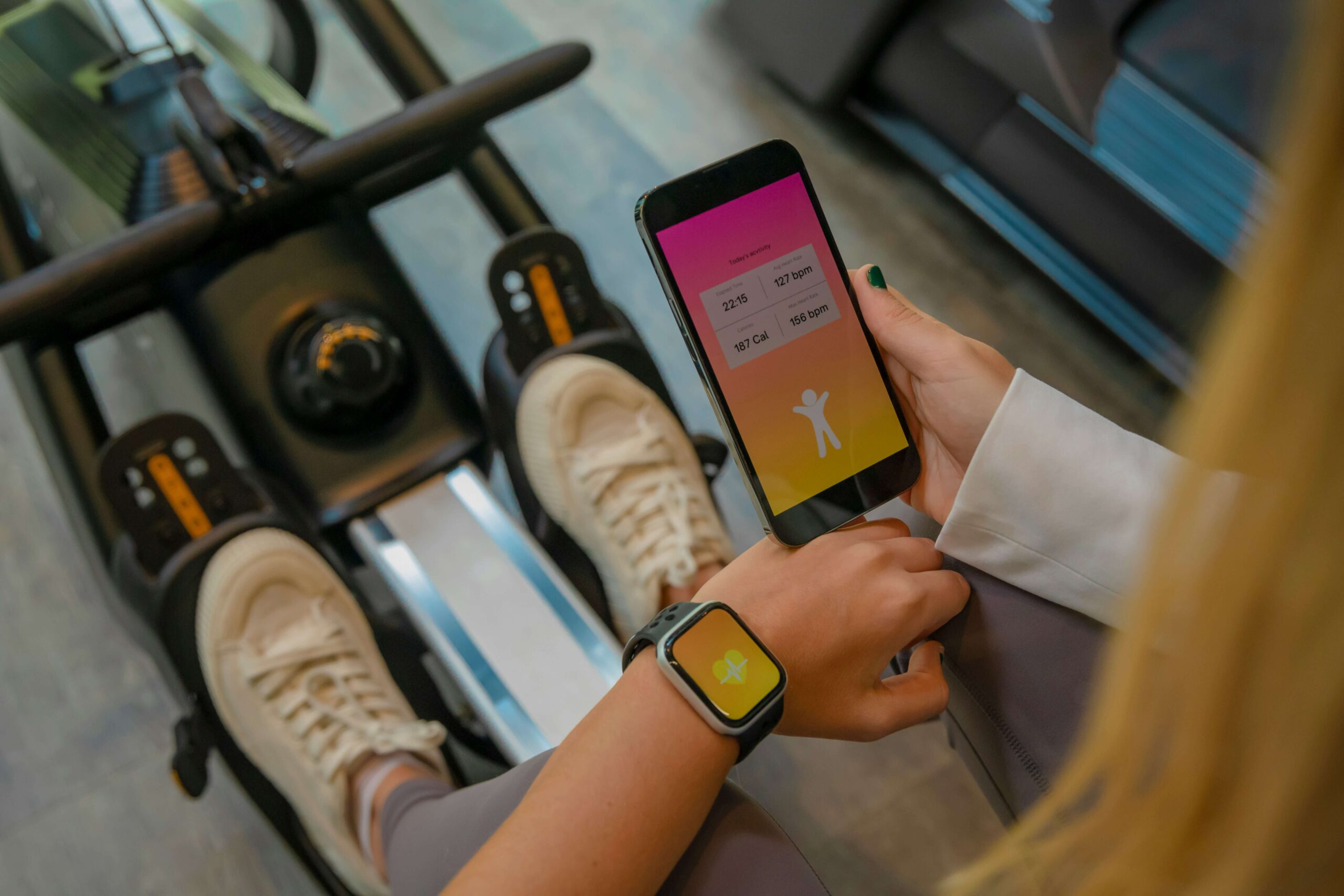
Wearable technology is common nowadays, with smartwatches often used to measure our physical activity and health status. However, wearable technology has become much more than just smartwatches and be fabrics and glasses.
VoIP and Its Integration With IoT
IoT devices span across a range of equipment including but not limited to, smart thermostats, health bands and a sophisticated machine. By embedding the VoIP in these devices, the opportunities are vast.
Smart Homes
Consider a smart house where you can call up a smart home and ask it to change the thermostat or the smart refrigerator can call you and tell you to purchase milk.
Healthcare
Today, it is possible to send and receive VoIP-enabled real-time communication as well as a variety of vital signs information to and from medical professionals.
Industrial IoT
With VoIP integration in industries, there is a better interaction between the machines and the employees resulting in effective performance.
Possible Future Outlook on VoIP Integration
As wireless connectivity technologies such as 5G, Wi-Fi, Bluetooth and others become more abundant, extensible and capable so will wearable technologies that depend on these connectivity options. Some of the things we may soon be able to do with this technology when merged with VoIP include the following:
Smart Watches and Mobile Devices
Our smartwatches or mobile devices can be used for holographic communication with others. The use of miniaturised holographic projectors and high-speed connections in holographic technologies will let us see a more realistic image of the person we are communicating with remotely.
Smart Clothing
Smart clothing and fabrics will be able to register our movements, statues and body language which may then produce an avatar-like image that people linked to may see. Such data will also enable our video feeds to have additional AI capabilities, thus offering us richer communications.
Better Vision
Additional information for instance is accessible through augmented or virtual reality glasses if not even links that display on top of what we are seeing at present in real time and are inserted into contact lenses that connect wirelessly. However, with such technology, we could have private conversations without peeping over the shoulder of the other user.
Enhancing Interaction
Multi-channel communication beyond voice only such as multiple parties being able to “congregate” in a virtual venue, see each other, talk and even interact at different levels.