
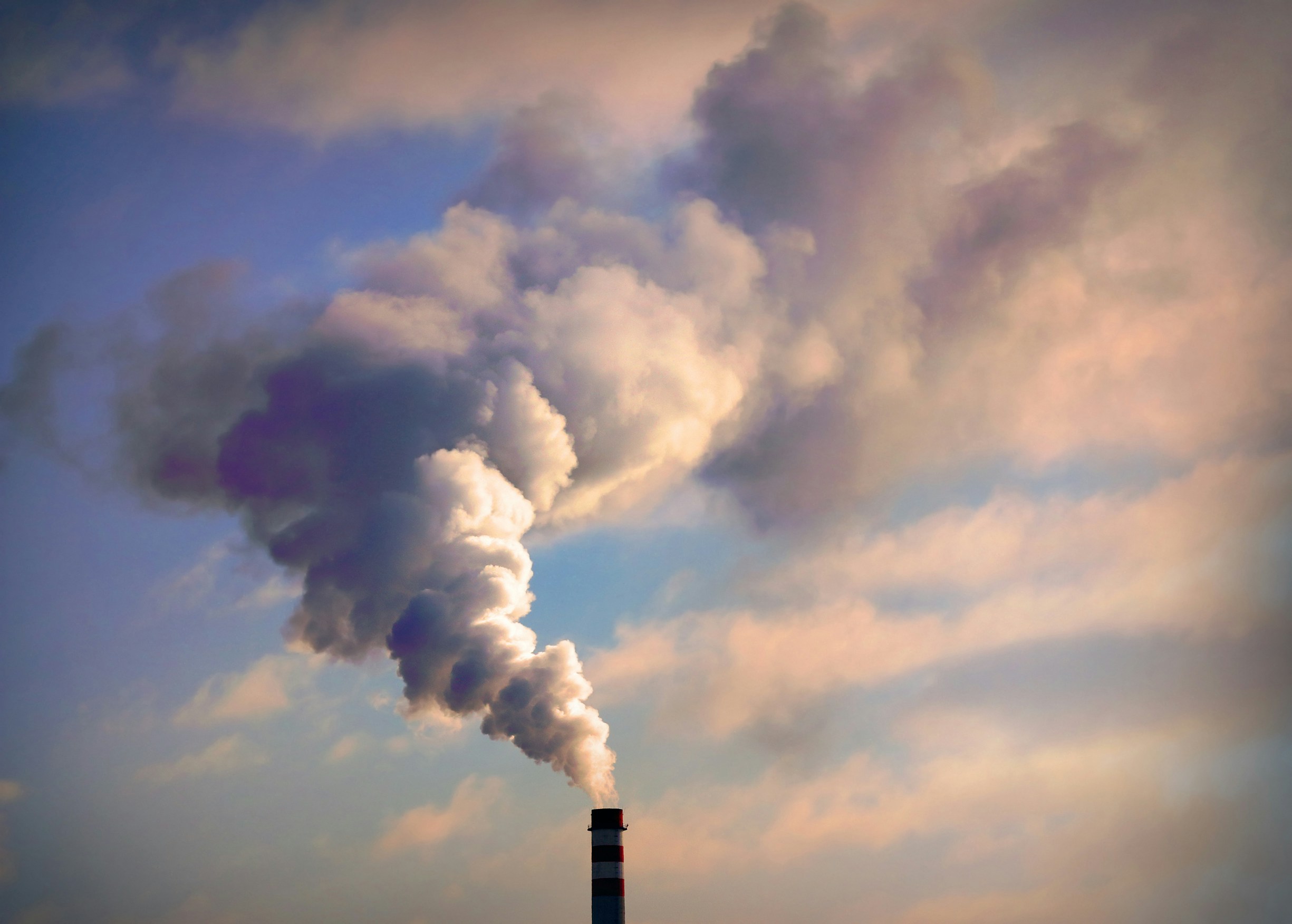
As businesses strive to meet sustainability goals, adopting greener technologies has become a priority. Voice over Internet Protocol (VoIP) is emerging as a solution that not only improves communication but also helps reduce carbon emissions. By enabling remote work, reducing the need for physical infrastructure, and cutting down on energy consumption, VoIP offers a more environmentally friendly alternative to traditional phone systems.
Is VoIP Reliable?
The reliability of VoIP has greatly improved in recent years, thanks to the advancement in internet technology and cloud-based infrastructure. Rather than being confined to an on-premise system, Voice over IP providers leverage redundant, geographically diverse data centres connected by tier 1 fibre networks. If an outage impacts one data centre, calls are automatically rerouted to other locations to maintain 99.999% uptime guarantees.
Is VoIP More Environmentally Friendly Than Traditional Landlines?
VoIP is more environmentally friendly than traditional landlines since VoIP systems use software and internet connectivity, which is more energy efficient than the hardware in landlines. VoIP systems also don’t require additional hardware, so there’s less electronic waste when they’re disposed of.
What Is The Benefits of VoIP?
Besides being environmentally friendly, VoIP has many benefits, including:
- Cost savings: VoIP can be cheaper than traditional phone systems which can save you money you can use elsewhere.
- Accessibility: VoIP allows you to make and receive calls from anywhere with an internet connection, using a laptop, tablet, or smartphone.
- Flexibility: VoIP offers more flexibility than landlines, with features like video calls, messaging, and integration with other tools.
- Unifies communications: VoIP can be used as a tool to unify communications for businesses.
- Avoids long-distance calling charges: VoIP features like international numbers can help you avoid expensive long-distance calling charges.
- Better quality calls: VoIP can provide better quality calls than traditional phone services.
Can VoIP Reduce Carbon Emissions in Large Businesses?
The responsibility to reduce carbon emissions is even greater for businesses, as they can significantly impact the environment through their daily operations.
Making sustainable choices in business is essential for creating positive environmental impacts and has many financial benefits for companies too.
One effective way for businesses to become more sustainable is by switching to VoIP phone systems. VoIP offers a range of features and benefits that can help companies reduce their environmental impact while improving their operational processes.
VoIP Reduces Transportation Emissions
Because VoIP removes the need for employees to travel for work-related events like conferences or meetings, it lowers air pollution and transportation emissions. Employees frequently have to travel to other places for meetings or conferences in a traditional company setting, which can greatly increase air pollution and transportation emissions.
However, VoIP eliminates the need for employees to travel by enabling them to participate in meetings and work remotely with colleagues via video conferencing from their homes or offices. Businesses can lessen their environmental effect and promote a healthier environment by refraining from using motor vehicles.
VoIP Requires Fewer Resources
Copper wiring, phone lines, and other necessary operational equipment are among the many resources needed for traditional phone networks. The manufacturing, shipping, and installation of these instruments and devices can quickly result in a large amount of waste and pollutant accumulation. VoIP systems, on the other hand, use a lot less power because everything is stored in the cloud. This implies that companies can become more sustainable and reduce their supply consumption.
Traditional phone systems also often generate significant hardware waste, as businesses need to replace outdated equipment or upgrade them regularly. However, VoIP systems decrease the need for physical hardware, as everything is stored on the cloud.
Reduces Energy Consumption
You must pay for both the actual equipment and the electricity needed to run it when using a traditional phone system. Particularly if you have a big office with numerous phone lines, this can mount up rapidly.
VoIP systems, on the other hand, use software and internet access to function, which results in far lower energy consumption than conventional systems. In addition to saving money for your company, this lower energy use also lessens your carbon footprint and contributes to environmental preservation.
Efficient Hosted Servers
All communication data is stored on hosted servers by VoIP systems. Because of their great efficiency and capacity to manage huge traffic volumes, these servers allow businesses to reduce the number of physical servers needed to store their data. Thus, companies can lower their carbon footprint and energy usage by utilising them.
Hosted servers are more appropriate for security reasons in addition to being better for the environment. Because they are shielded by cutting-edge encryption and security measures, hosted servers provide greater security than physical servers. Businesses can therefore feel easy knowing that their communication data is protected.