
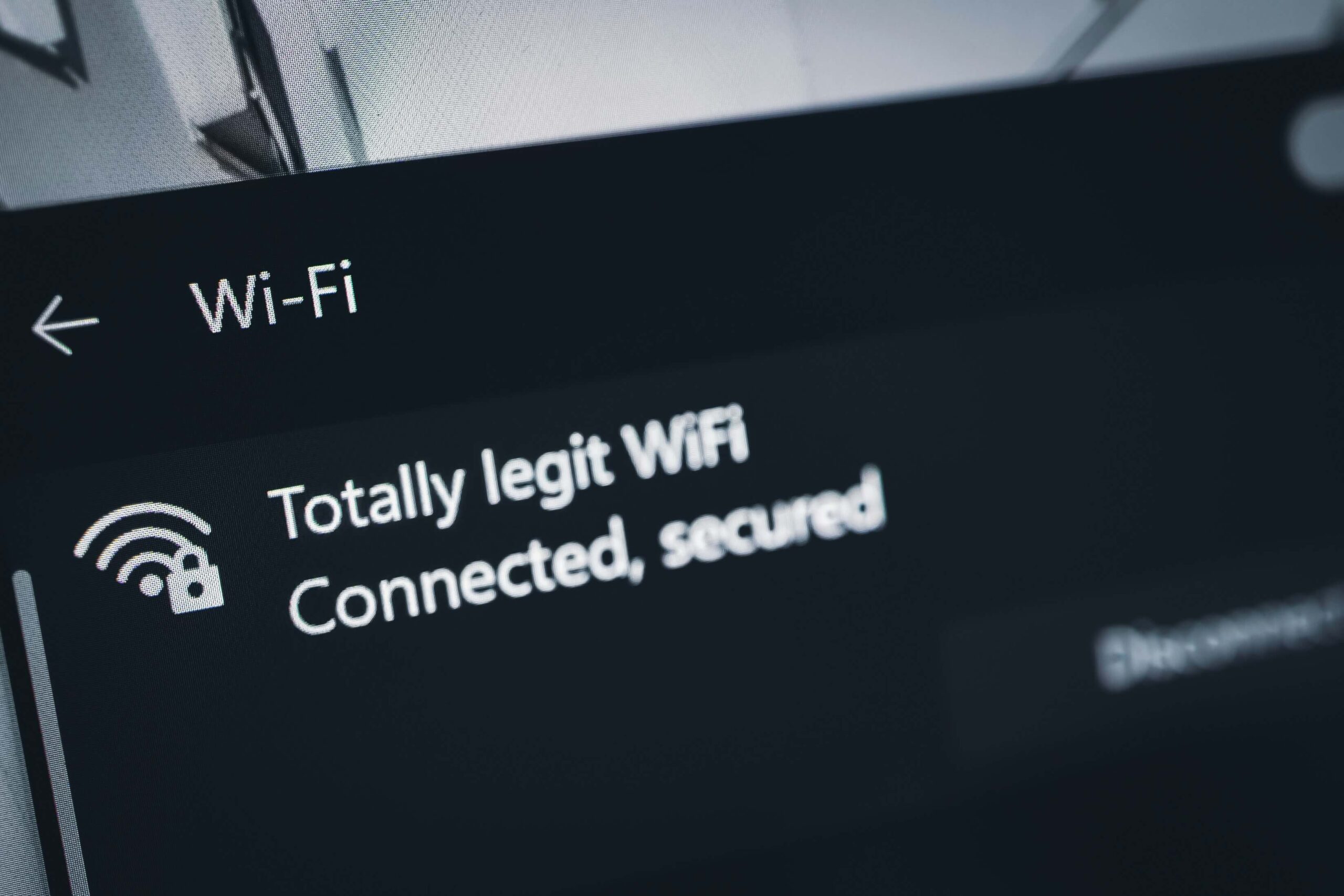
In an increasingly connected world, the need to protect your broadband network has never been more important. Whether you are an individual, freelancer or small business owner, proper broadband network protection protocols are vital.
Aside from the benefits of a connected world, there are unfortunately a few unwanted risks that accompany it. Hackers are more prevalent than ever, and their need to obtain your personal information or your client’s has never been higher. Hackers have the potential to ruin your business, or steal all your personal information within a few minutes. The importance of securing your broadband network cannot be overstated.
Why Should You Secure Your Broadband Network?
Small businesses and freelancers are much more prone to cyber-attacks. Due to the rising nature of remote work, it is also important to teach people how to secure their networks.
A broadband network provides a high-speed internet connection. This connection serves as a gateway to connect you to your business’s infrastructure, systems, data, etc. The network also harbours a lot of sensitive data which can be the target of cyber terrorists. Cyber-attacks can be done in multiple ways, by stealing sensitive data, corrupting important files, or even implanting malware in your system.
As a business it should be one of your greatest priorities to keep your clients’ data safe, similarly a lot of importance should be placed on protecting your own data as well.
A secure network protects your privacy and security while preventing hackers from causing devastating consequences such as financial losses, identity theft and leaking of sensitive data.
What Can You Do To Protect Your Broadband Network?
There are a few key steps you can take to make it harder for unauthorised users to gain access to your business broadband network and sensitive data.
Change Your Default Login Settings
Most of the time, routers come with preset passwords. It is very important to change this password regularly. A strong password can also decrease the chances of people gaining access to your network.
Use Encryption
Encryption is a great way to protect your data as encryption works by scrambling your data so that hackers cannot decipher it.
Encryption is most often found under your router’s settings.
WPA2 is widely supported on most devices and has been a wireless security protocol for years, however it is highly suggested to use the latest standard encryption called WPA3 if supported by your device.
Modify Your Network Name
Most devices have a predefined network name, making it easy for hackers to determine which type of router you have.
Changing your SSID (service set identifier) gives you the opportunity to hide your network from hackers and give it a name that is generic and not easily identifiable.
Use A Firewall
Most routers already have a built-in firewall to protect your network, however it is very important to check that the firewall is switched on.
Use A VPN
A VPN creates an encrypted session between the user and the host’s device. A VPN can enhance security due to the fact that it encrypts your internet traffic.
Offer A Guest Network
Companies should not allow any outsiders access to their network, this gives malicious people a chance to poke around your systems and potentially find some vulnerable systems. By activating a guest network you can keep your business’s data protected as this network will be separate from your primary network.
Most routers offer this option when logging into your router as an admin.
Regular Updates
Older routers are targets for cyber hackers. They can log into your router and disable security features.
It is important to make sure your router’s software and firmware is up to date to make sure your router can adequately protect you from any potential hacks.
Enable MAC Authentication
By doing this a business or individual can set up a list of MAC addresses that are allowed to connect to the network. This way you can prevent anyone outside of these MAC addresses from potentially hacking your network.
Is It Beneficial To Protect My BroadBand Network?
Securing your broadband network has never been more important in a digital age where hackers are more prevalent. More and more sensitive data can now be stolen online compared to years ago. Securing your network is very easy, by following a few suggestions such as, doing regular updates, setting up a guest network and making sure your firewall is enabled can be the difference between a safe network or a network where hackers have access to sensitive data and opportunities to harm your business.