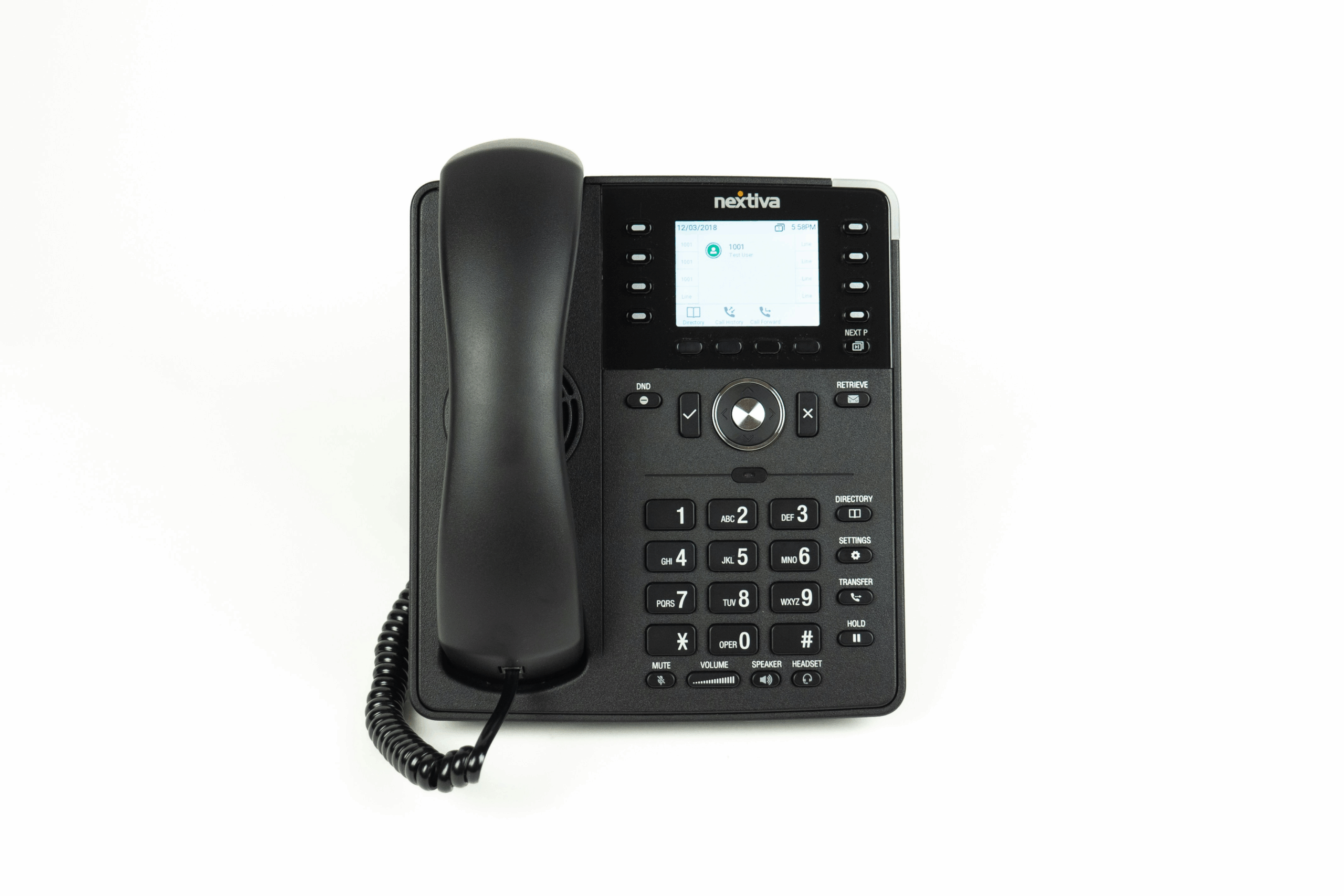
It wasn’t that long ago that a desk phone was the heart of every office. With a notepad, a cup of coffee, and your office handset, you were ready to start the day. But times have changed, and so has technology. With the rise of mobile devices, laptops, VoIP systems, and cloud-based communication platforms, many professionals are asking,
Do I still need a desk phone? Well, it depends. The traditional desk phone is no longer the only tool in the communication toolbox; it hasn’t disappeared altogether. In fact, for some roles and businesses, it still plays a valuable part in daily operations.
Let’s explore when desk phones still make sense, when they don’t, and what alternatives are now available in the digital-first workplace.
Why Desk Phones Were Once Essential
Before broadband and mobile communication took over, desk phones were the standard. They offered:
- Consistent call quality
- A stable, wired connection
- Familiar features like voicemail, hold, and call transfer
- A visible point of contact; people always knew where to reach you
For years, a ringing desk phone was a symbol of professionalism. But digital transformation has opened up newer, more flexible ways to stay connected.
How Technology Has Changed Business Communication
The shift to VoIP (Voice over Internet Protocol) has transformed how we work. Instead of relying on phone lines, VoIP allows calls to happen over the internet. That means you can now make and receive business calls using:
- A mobile app
- A desktop or laptop softphone
- A tablet or web browser
With today’s VoIP features like voicemail sent to your email, call forwarding, instant messaging, and video calls, you can stay connected without needing a desk phone. This flexibility has changed how we think about the role of a desk phone.
Why Some Businesses Still Use Desk Phones
Even in a digital age, desk phones haven’t vanished. In fact, they still offer advantages in certain environments.
They’re Simple and Familiar
Desk phones are easy to use; just pick up, dial, and you’re good to go. There’s no app to figure out or login to remember, which makes them perfect for busy environments like healthcare, reception areas, or call centers where speed and simplicity matter most.
They Offer Reliable Call Quality
VoIP doesn’t require getting rid of desk phones. In fact, many businesses use VoIP-enabled desk phones. VoIP-enabled desk phones often deliver clearer, more stable audio than mobile apps, especially in offices with weak Wi-Fi.
They Provide a Professional Presence
For some businesses, having a physical desk phone creates a more professional image. Whether it’s a front desk, executive office, or meeting room, a desk phone gives clients and visitors the impression of an organized, established operation. It also helps maintain clear boundaries between personal and business calls, especially when using a dedicated business line.
Why Many Businesses Are Moving On
Despite these advantages, more companies are moving away from traditional desk phones in favour of more flexible tools, especially as remote and hybrid work continues to grow.
They Don’t Fit Remote Work
With teams now working from home, in transit, or across time zones, desk phones aren’t practical. Softphones and mobile VoIP apps let employees take their business number wherever they go.
They Add Unnecessary Costs
Desk phones require hardware, cables, power, and often IT support. For businesses already using headsets and laptops, this is an added expense that can be easily avoided.
They Lack Modern Features
Modern VoIP platforms bundle voice, video, chat, call logs, voicemail-to-email, and CRM integrations into a single platform. Desk phones simply can’t match this level of functionality and convenience.
What You Can Use Instead of a Desk Phone
If you’re ready to move on from desk phones, here are the most popular alternatives:
- Softphone Apps: Turn your computer into a business phone with caller ID, voicemail, and call transfer features.
- VoIP Mobile Apps: Use your business number on your smartphone, perfect for teams on the move.
- Web-Based Phone Platforms: No downloads needed; just open your browser and make a call.
- Headsets and Speakerphones: Pair with your app or softphone for hands-free, high-quality audio.
Some businesses find a balance between tradition and innovation. They keep desk phones in certain areas, like reception desks or boardrooms, while allowing staff elsewhere to use mobile or web-based tools. This gives employees flexibility while still supporting roles that benefit from a fixed phone presence.