A digital revolution is taking place in agriculture. In order to boost yields, reduce expenses and safeguard natural resources, farmers are now utilising cutting-edge technologies rather than just traditional methods. Precision agriculture is a movement that greatly depends on dependable broadband connectivity.
What is Precision Agriculture and Why Does It Matter?
Using data, automation and smart technologies to improve farming is what precision agriculture is all about. Farmers can make smart choices about planting, watering and harvesting by looking at the weather, the health of the crops, the condition of the soil and how well their machines are working. This leads to more efficiency, more output and less damage to the environment.
But for precision agriculture to work, you need strong, reliable broadband. The sensors, drones and analytics tools that make modern farming possible don’t work as well without reliable internet access.
How Can Broadband Enhance Precision Agriculture?
In the technological era we are in, broadband is a part of many different business aspects. We assume this means online-based businesses only, but that is not the case. Broadband can play a vital role in precision agriculture.
How Broadband Powers Smart Farming Technologies
Broadband makes many different technologies possible that are changing farms all over the world:
- IoT Sensors and Devices: Drones, soil sensors and livestock trackers send data to farmers’ devices in real time.
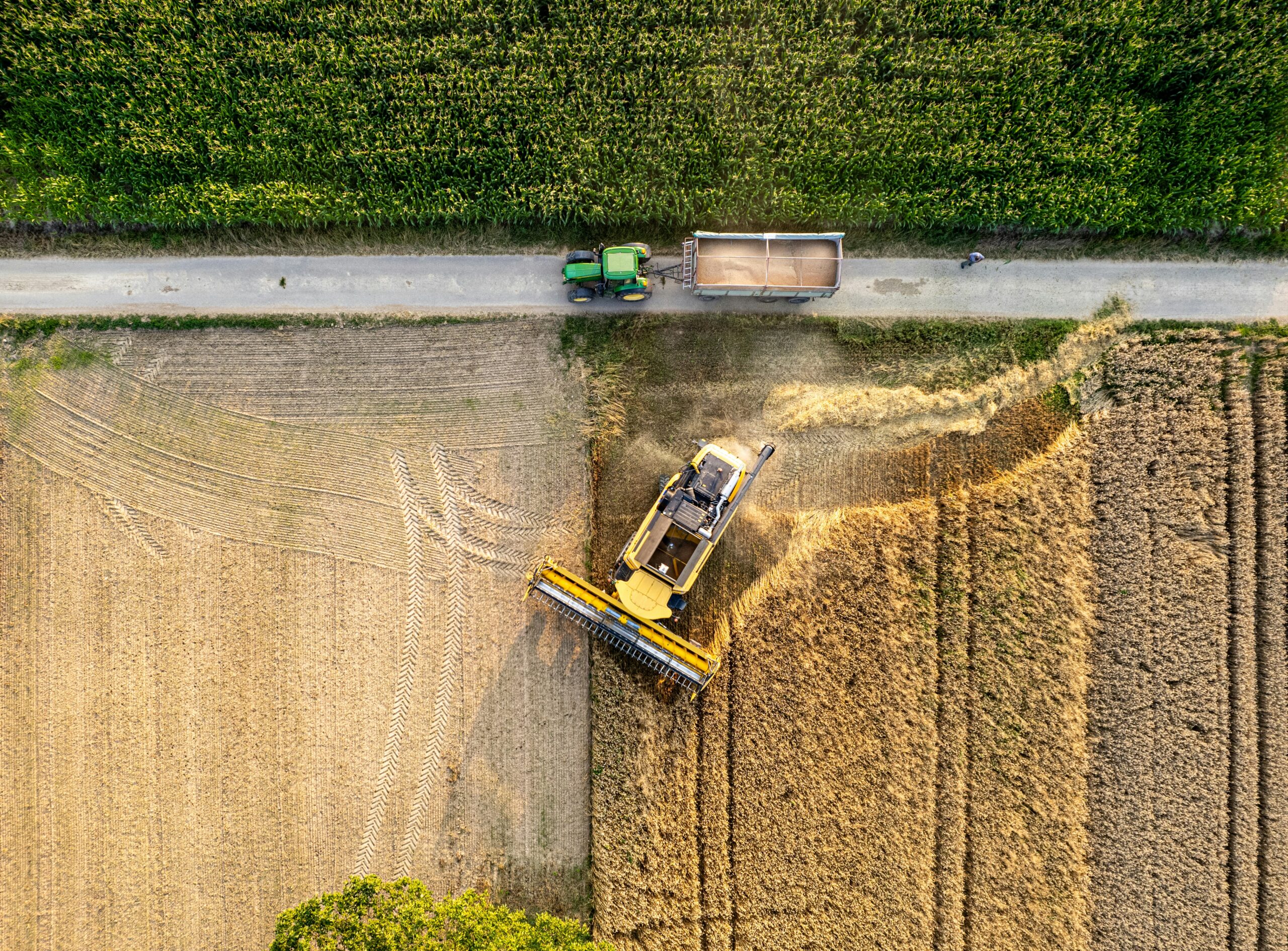
- GPS and Self-Driving Vehicles: Broadband makes GPS-equipped tractors and combines more accurate, which cuts down on fuel use and mistakes made by people.
- Cloud-Based Data Analytics: Farmers can put data in the cloud and look at it there. This gives them information that helps them manage their crops and resources.
- Remote Monitoring and Control: Farmers can use broadband to control irrigation, keep an eye on machinery and keep track of conditions without being there.
These tools help farmers work faster, save money and get more done.
The Role of Broadband in Boosting Crop Yields
The most obvious benefit of broadband in agriculture is that it makes crops grow faster. Farmers can use data-driven insights to figure out where to put water, fertiliser and pesticides so that they are most effective.
For example, variable-rate technology (VRT) uses broadband to give machines exact instructions on how to apply things. Farmers can now target specific areas instead of treating whole fields the same way. This helps plants grow better and cuts down on waste. In the long run, this leads to yields that are always higher.
Sustainable Farming with Broadband-Connected Tools
Broadband also helps farming be more environmentally friendly. Farmers can save water, cut down on chemicals and lower carbon emissions by using precision agriculture.
For example, smart irrigation systems that are connected to broadband check the moisture levels in the soil and change the watering schedule on their own. Drones can find early signs of pest problems, which lets them treat only the affected areas instead of spraying pesticides all over the place. These methods help ecosystems stay healthy and make farming more profitable.
Bridging the Rural Broadband Gap in Agriculture
Even though it has its benefits, many rural areas still don’t have reliable broadband access. This digital divide makes it hard for farmers in areas that don’t have access to technology to use precision agriculture tools. They will be less efficient, productive and profitable without connectivity.
It’s very important to close this gap. To make sure that farming communities can use the same tools as urban industries, governments, internet service providers and agricultural groups are putting money into rural broadband infrastructure. More people can get broadband, which makes food security stronger and gives farmers everywhere a fair chance.
Economic Benefits of Broadband for Farmers and Rural Communities
Precision agriculture that works with broadband doesn’t just help individual farms; it helps whole rural economies. Farmers can make more money by cutting down on waste and getting better yields. This means they can put more money back into local businesses and services.
Broadband also gives you more options. Digital platforms let farmers sell their goods online, see real-time prices for their goods and talk directly to buyers. These improvements have a ripple effect that draws in new money and creates jobs in rural areas.
Broadband as the Cornerstone of Modern Farming
Broadband is the most important part of the change that is happening in farming thanks to precision agriculture. Broadband gives farmers the tools they need to make better decisions based on data, use resources more efficiently and connect technologies. This helps them be more productive and sustainable.
The more people in rural areas can get broadband, the more useful precision agriculture becomes. Farmers can embrace new ideas, improve food security and help the economy grow at home and around the world when they have reliable internet access.