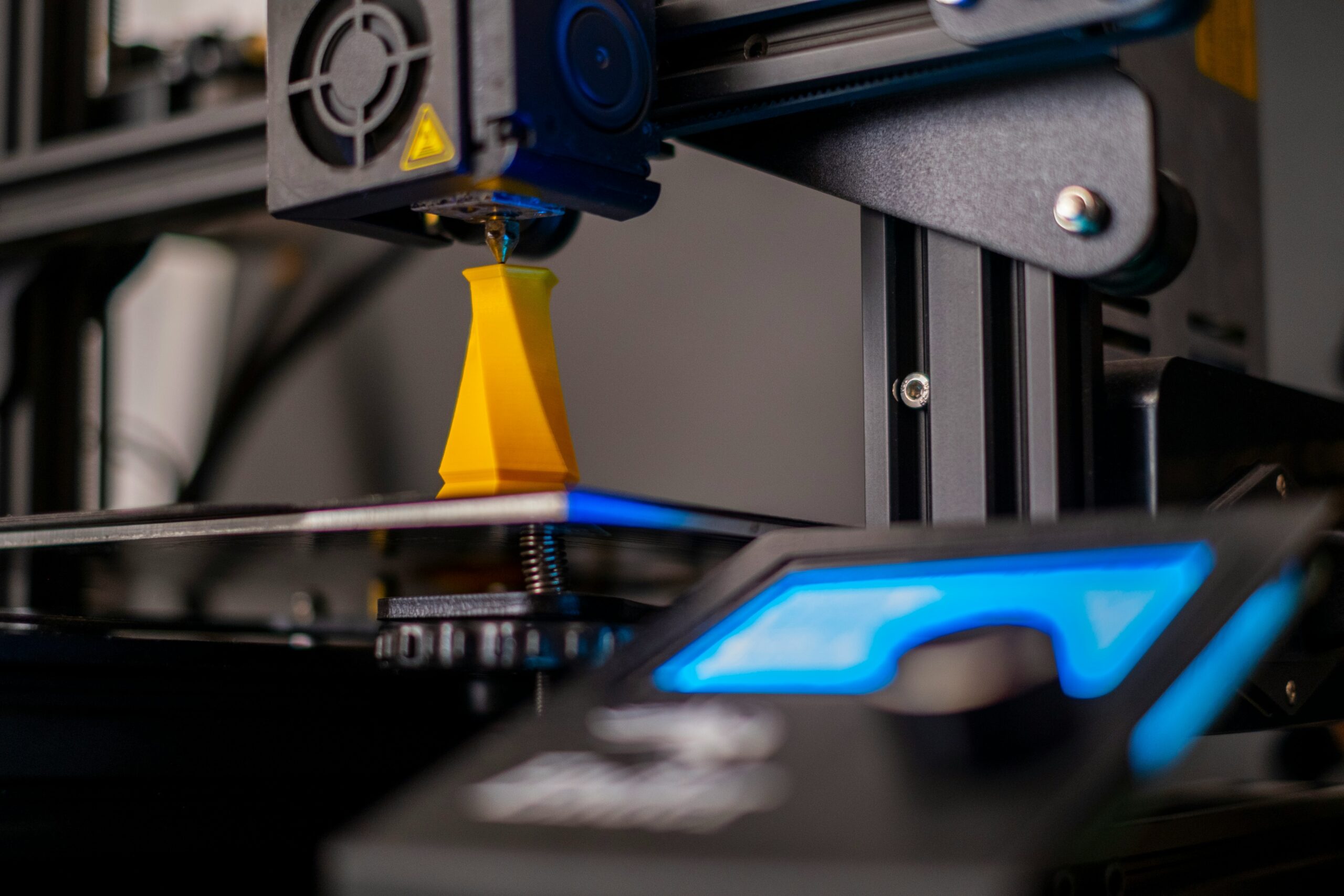
Additive manufacturing, also known as 3D printing, has become one of the most disruptive technologies of our time. Industries are starting to use the ability to design and make complicated parts on demand, from aerospace to healthcare. But there is one thing that makes this change possible that is often missed: broadband connectivity. High-speed internet makes it easier for people to work together on 3D printing projects.
What Role Does Broadband Have in 3D Printing?
Broadband technology is very important for 3D printing, especially when it comes to devices that are connected to the internet and moving data. For things like design transfer, remote monitoring and even automated ordering systems, 3D printing needs fast and reliable internet connections. Broadband makes it easy to combine 3D printing with other technologies and makes it possible for many people to customise and create things together.
Managing Large Design Files
3D printing starts with digital models, often in the form of CAD files that can be hundreds of megabytes in size. Broadband ensures these files can be uploaded, shared and downloaded quickly.
Cloud-Connected Software
Modern 3D printing workflows rely on cloud-based slicing tools and simulation platforms. Broadband connectivity allows teams to access these tools seamlessly, avoiding delays that would otherwise stall production.
Enabling Remote Collaboration and Global Innovation
High-speed internet makes broadband 3D printing possible, which makes it easier for people to work together from far away and come up with new ideas around the world by making it easy to share digital designs and manufacture them in different places. This technology lets people and businesses take part in the design and production process no matter where they are, creating a global network of innovation and localised production.
Real-Time Design Sharing
With high-speed broadband, teams on different continents can work on projects together, share files right away and make changes without any delay.
Breaking Geographical Barriers
This global collaboration helps fields like healthcare, where doctors, engineers and designers can work together on custom implants or medical devices no matter where they are.
Cloud-Based Design and Printing Services
Cloud-based 3D printing services use the internet and cloud computing to let people design and print 3D objects from anywhere. Users can design, upload and print models with these services using different 3D printers and materials without having to buy or take care of the equipment themselves. This makes 3D printing easier to access, more scalable and less expensive, especially for people who may not have the money or knowledge to buy their own equipment.
Affordable Access for SMEs
Small and medium-sized businesses get the most out of it. With broadband-powered services, they can use world-class printing technology without having to spend a lot of money up front.
Real-Time Monitoring and Data Exchange
Broadband 3D printing, along with real-time monitoring and data exchange, makes additive manufacturing easier to control, more efficient and more collaborative. This means using cloud-based platforms and IoT (Internet of Things) devices to keep an eye on printers, manage print jobs from afar and find mistakes early on, which cuts down on downtime and speeds up production.
Sensor-Driven Insights
Sensors that check temperature, layer adhesion and print quality are common in industrial 3D printers. Broadband sends this information to operators right away, so they can act quickly if there are problems.
Integration with Industry 4.0
Broadband lets 3D printers talk to other smart factory systems. This connection makes predictive maintenance possible, cuts down on downtime and makes production lines run more smoothly.
Driving Innovation in Healthcare
Broadband 3D printing, also called additive manufacturing, is changing healthcare by making it possible to quickly make prototypes, make medical devices that are unique to each patient and come up with new ways to treat people. It makes it easier to make custom implants, prosthetics and surgical tools, which leads to better care for patients and better outcomes for surgery. It’s also pushing forward progress in personalised medicine, tissue engineering and drug delivery.
Global Expert Collaboration
Broadband-powered networks let surgeons and engineers from all over the world work together in real time, which makes sure that things are done correctly and that patients get better results.
Supporting Education and Research
Cloud-hosted modelling and simulation software is often used by universities and research labs. With broadband, students and researchers can use these tools without any problems. Researchers can upload and share 3D models, findings and experimental results right away, which helps people all over the world learn from each other.
Challenges of Connectivity in 3D Printing
As with any technology, there will be a few challenges that may arise. These challenges can inhibit the growth of additive manufacturing.
Unequal Access to Broadband
In rural and less developed areas, slow internet speeds make it hard to share big files or use cloud platforms well.
Growing Demand for Bandwidth
To keep up with the growing complexity of 3D printing designs and file sizes, broadband infrastructure will need to be stronger.
Is Broadband Vital to 3D Printing?
3D printing is changing many fields, but broadband is the hidden infrastructure that makes it all possible. Broadband speeds up the use and effects of additive manufacturing by letting people work together in real time and managing large files.
As broadband spreads around the world, 3D printing will reach new heights, allowing for new ideas in healthcare, education, manufacturing and more. It’s not just about printers and materials that are important for the future of 3D printing; it’s also about the networks that connect them.