
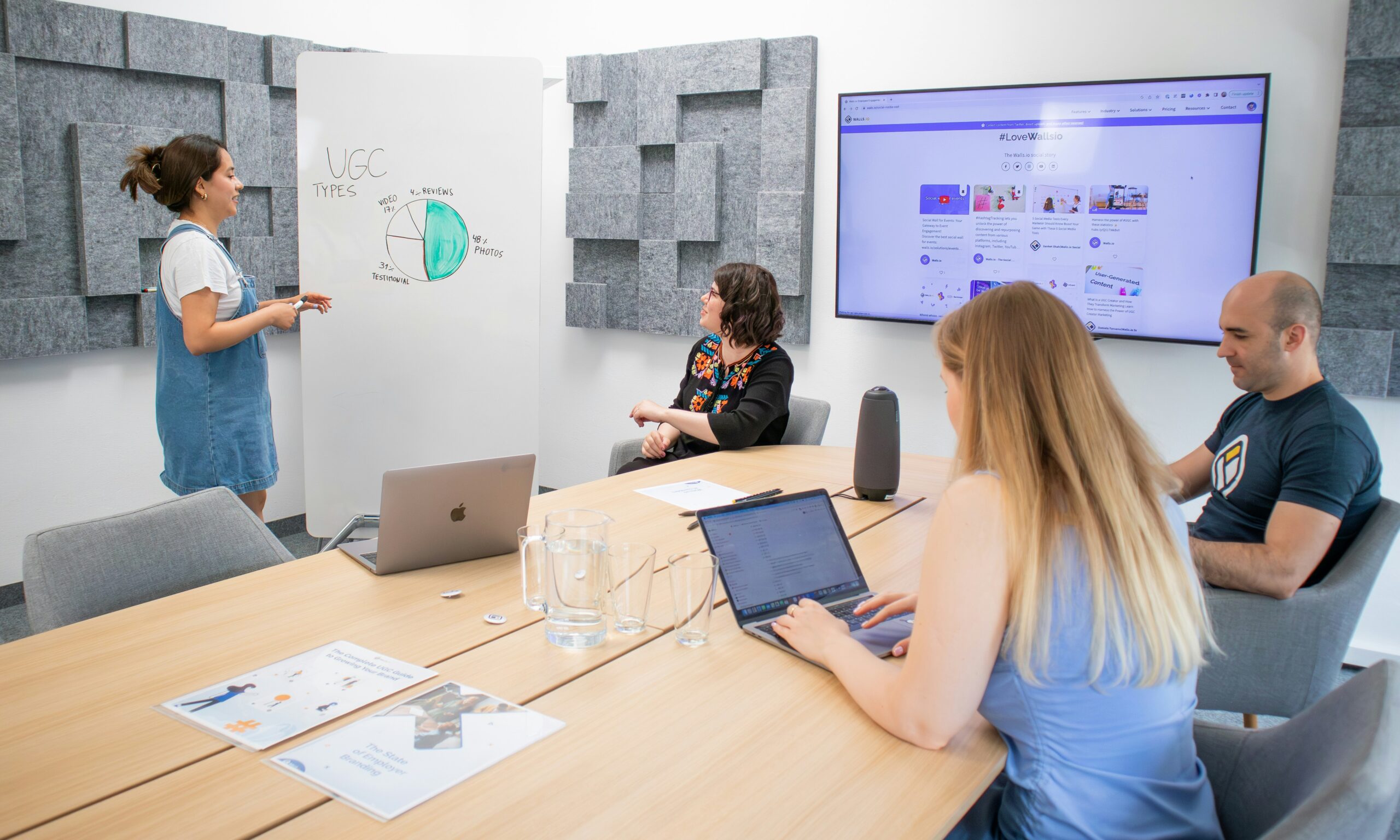
The modern architectural industry depends on seamless communication. Whether managing multiple projects, coordinating with engineers, or consulting with clients, architects rely on efficient tools that allow for flexibility and clarity. Traditional landlines once served as the backbone of communication, but as projects become more complex and technology evolves, many architecture firms are making the switch to Voice over Internet Protocol, or VoIP.
What Is VoIP and How Does It Work
VoIP, or Voice over Internet Protocol, allows users to make and receive calls over an internet connection rather than through traditional telephone lines. It converts voice signals into digital data, which is transmitted online to the receiver. This technology works on computers, smartphones, tablets, and even specialised VoIP desk phones, allowing communication from virtually anywhere.
Because VoIP operates online, it also supports additional features beyond standard voice calls. These include video conferencing, instant messaging, and integration with digital tools that architects already use daily, such as project management software and cloud-based design systems.
Why Traditional Phone Systems Are No Longer Practical for Architects
Architectural work today extends far beyond the boundaries of the office. Project teams often collaborate across cities or even countries, and clients expect regular updates through digital channels. Traditional phone systems make this difficult. They are expensive to scale, hard to maintain, and cannot easily integrate with cloud-based tools used for design and project tracking.
Adding new lines or extensions with a landline system can be costly and time-consuming, especially for growing firms. Traditional systems also lack flexibility, limiting architects who need to make calls while travelling or working on-site. VoIP, on the other hand, removes these restrictions and aligns perfectly with the way modern architects work.
The Benefits of VoIP for Architects
Modern architecture depends on constant collaboration, clear communication, and adaptable technology. VoIP brings all three together in one efficient system. By replacing traditional phone lines with digital communication tools, architects gain flexibility, reduce costs, and streamline project management from concept to completion.
Scalability and Flexibility
VoIP systems can easily expand as your firm grows. New users can be added instantly without the need for physical installations. This scalability is essential for architecture firms that experience fluctuations in project volume or bring in temporary collaborators. VoIP also supports remote work, allowing architects to stay connected whether they are at the office, on-site, or working from home.
Cost Efficiency
VoIP offers a far more cost-effective communication solution than traditional phone lines. There is no need for additional hardware or expensive infrastructure, and most VoIP providers offer pay-as-you-go or bundled packages that include unlimited domestic and international calls. For firms that communicate frequently with clients or partners abroad, these savings can be significant.
Integration with Digital Tools
Architects rely heavily on digital design platforms such as computer-aided design and building information modelling software. VoIP systems can integrate directly with these tools and with customer relationship management platforms, email, and shared cloud drives. This means project data, client information, and communication records are all in one place, reducing manual work and the risk of errors.
Improved Collaboration
VoIP supports unified communication, allowing team members to switch between voice calls, video meetings, and instant messaging within the same platform. This keeps all communication organised and accessible. Architects can easily share 3D models, design concepts, and updates in real time, ensuring that everyone involved in a project remains aligned.
Future-Ready Technology
VoIP systems are built for continuous improvement. They receive regular updates to accommodate new features and integrate emerging technologies. This makes VoIP a long-term solution for firms adopting new digital workflows such as virtual reality walkthroughs or augmented reality site inspections.
Key VoIP Features That Enhance Project Communication
VoIP platforms offer a variety of tools that help architects collaborate more efficiently and manage projects more effectively. These features make day-to-day communication smoother, faster, and more reliable.
- Video Conferencing: Architectural projects often rely on visual communication. VoIP video calls allow teams to share drawings, renderings, and site visuals instantly, reducing travel time and enabling remote collaboration with clients or contractors.
- Instant Messaging and Team Chat: Many VoIP systems include integrated messaging for quick communication. Architects can send short updates, ask questions, or clarify design details without needing to schedule formal meetings.
- Call Forwarding and Voicemail to Email: Calls can automatically forward to other devices so important messages are never missed. Voicemail-to-email functionality also converts voice messages into text and sends them directly to your inbox for easy organisation and quick replies.
- Multi-Device Connectivity: A single business number can be used across multiple devices. Whether working from a laptop, tablet, or smartphone, architects can make and receive calls from anywhere, ensuring continuous communication across all stages of a project.
The Challenges of Switching to VoIP
While VoIP offers clear advantages, it does require a strong internet connection to perform at its best. Poor connectivity can affect call quality or cause delays, so firms should ensure they have a stable broadband network before implementing VoIP. Additionally, staff may need time to adjust to new systems, which can be managed through training and gradual adoption.
However, these challenges are minimal compared to the long-term benefits. Once the system is set up, VoIP runs smoothly and requires far less maintenance than traditional telephony.