
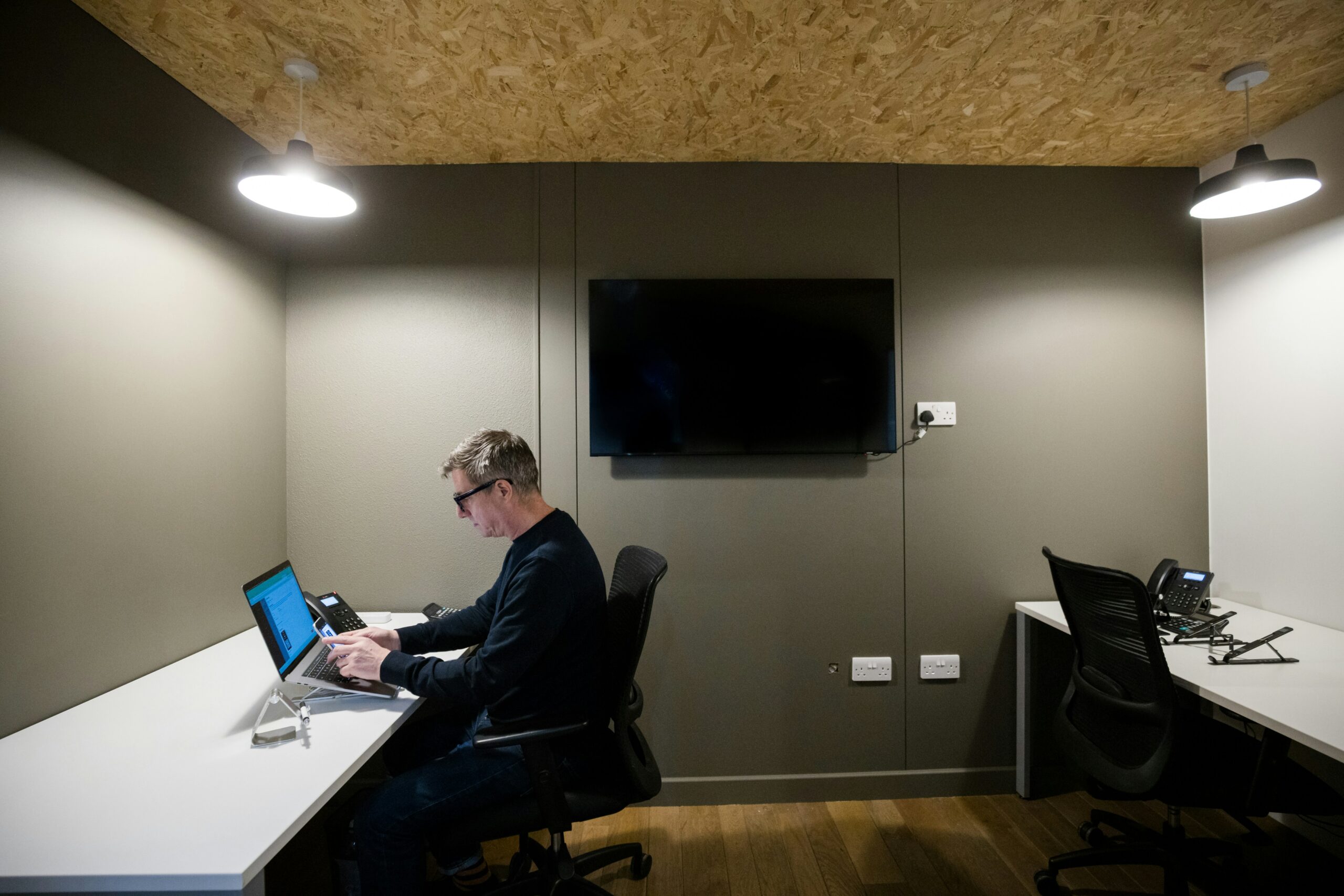
Coworking spaces depend on fast and stable internet connections to keep members productive. With freelancers, startups, and remote teams all sharing the same network, maintaining consistent speed and reliability can be challenging. Every connected device adds to the overall bandwidth demand, and without proper management, even the most well-designed workspace can experience slowdowns. Effective bandwidth management ensures smooth collaboration, uninterrupted communication, and a positive experience for everyone using the space.
What Are Coworking Spaces?
A coworking space is a shared workplace where individuals or teams from different companies work side by side. Unlike traditional offices, these spaces are designed for flexibility, allowing users to rent desks, private offices, or meeting areas as needed. They often attract freelancers, startups, and remote workers who prefer an affordable and collaborative setting over working from home or leasing long-term office space.
Why Bandwidth Matters in Coworking Spaces
‘Bandwidth’ refers to the amount of data an internet connection can handle at once. The higher the bandwidth, the more devices and online activities it can support without slowing down. In a coworking environment, dozens of users may be online simultaneously, each using multiple devices such as laptops, smartphones, and tablets.
Every connected device consumes bandwidth, and when the total demand exceeds capacity, performance drops. Video calls begin to buffer, file uploads slow down, and workflows are interrupted. Activities like cloud collaboration, live streaming, and large data transfers place even more strain on the network. This is why bandwidth management is one of the most important aspects of running a coworking space.
How Coworking Spaces Manage Bandwidth Demand
As coworking spaces continue to grow in popularity, the quality of their internet connection has become one of the most important factors in their success. These environments bring together professionals who rely on video calls, cloud platforms, and online collaboration every day. Without strong, consistent connectivity, even the most inspiring workspace can quickly lose its appeal. Managing bandwidth demand effectively is essential for keeping members connected, productive, and satisfied.
Understanding the Connectivity Challenges
The biggest challenge for coworking operators is maintaining consistent internet speeds during busy hours. When too many users access the network at once, congestion occurs, leading to latency and dropped connections. High-bandwidth users, such as designers, developers, and media professionals, can also consume a disproportionate share of capacity, affecting everyone else.
Wi-Fi coverage is another common issue. Even with strong bandwidth, poor network design can create dead zones or weak signals. This usually happens when routers are outdated or placed incorrectly, limiting their range.
Cybersecurity adds another layer of complexity. Coworking spaces must ensure data safety while maintaining performance. A well-managed network includes encryption, firewalls, and user access controls to protect members without slowing down the system.
How Coworking Spaces Manage High Demand
Modern coworking spaces use a combination of technology, smart planning, and proactive monitoring to keep their networks stable and efficient.
Dedicated Business-Grade Connections
Many spaces use dedicated broadband lines that provide private, uncontended bandwidth. Unlike standard shared connections, these dedicated lines guarantee consistent speeds and reliability even when the space is at full capacity. For busy environments, this ensures everyone can access cloud tools, video calls, and shared platforms without disruption.
Network Segmentation
To prevent overcrowding on the network, operators often divide it into separate virtual networks for members, guests, and staff. This approach, known as network segmentation, keeps data secure and ensures that one group of users cannot slow down others.
Quality of Service Prioritisation
Coworking spaces often prioritise critical internet activities like video calls and VoIP communication over less important tasks such as software updates or background downloads. This technique, called Quality of Service (QoS), helps maintain smooth performance for activities that require stable, real-time connectivity.
Proactive Monitoring
Monitoring tools track network usage and performance in real time. This allows administrators to spot unusual activity, anticipate bandwidth spikes, and fix issues before they affect users. Regular monitoring also helps identify when additional capacity is needed as membership grows.
Redundancy and Backup Connections
Many well-equipped coworking spaces maintain multiple internet connections from different providers. This redundancy ensures that if one connection fails, another automatically takes over, keeping members online without interruption.
Why Internet Performance Defines Member Satisfaction
Fast, reliable internet is more than a convenience; it is the foundation of the coworking experience. Members expect to host meetings, transfer files, and work online without interruptions. When connectivity issues persist, users often move to other spaces that offer better performance.
Strong network performance also attracts high-value tenants such as startups and remote teams that depend on cloud-based collaboration. In the long run, reliable connectivity enhances the reputation of the coworking brand, increases retention, and creates a more professional and trustworthy atmosphere.
By combining reliable infrastructure, dedicated connections, smart network design, and active monitoring, coworking spaces can provide the seamless connectivity that modern professionals expect. Effective bandwidth management keeps members productive, builds loyalty, and creates a foundation for long-term growth and innovation.