
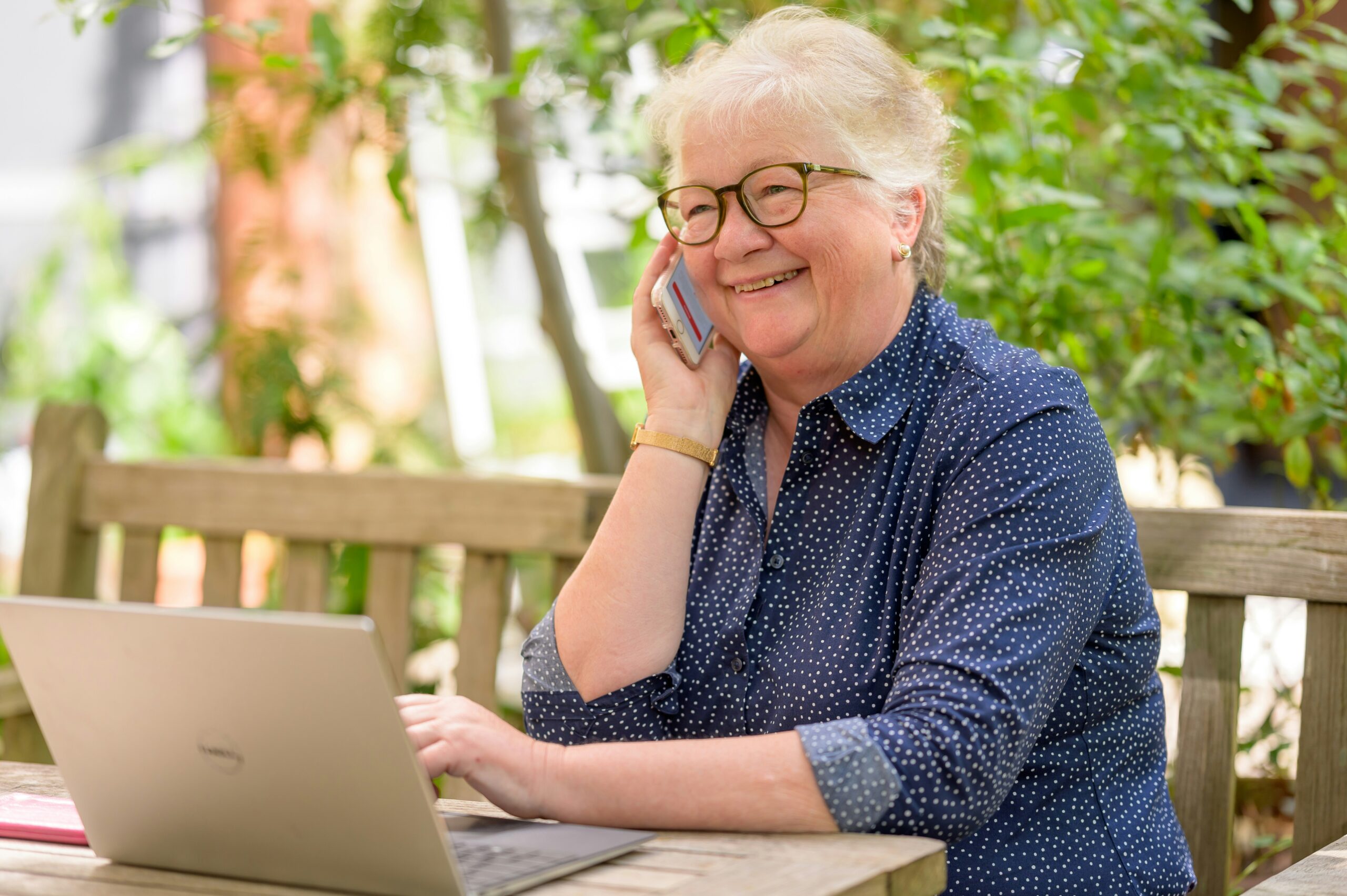
Staying connected with family and friends is more important than ever, but for many seniors, modern technology can feel overwhelming. Complicated devices, confusing apps, and rising call costs often create unnecessary barriers. VoIP offers a simpler alternative, making it easier to communicate without the stress of learning complex systems.
What Is VoIP and How Does It Work?
VoIP, or Voice over Internet Protocol, allows you to make phone calls using the internet instead of traditional phone lines. This means calls can be made through devices like smartphones, computers, or VoIP-enabled phones.
For seniors, the key benefit is simplicity. Many VoIP systems work just like a regular phone, but without the need for complicated setup or expensive infrastructure.
Why Is VoIP a Good Option for Seniors?
VoIP is designed to be flexible and easy to use, making it a suitable option for those who prefer straightforward communication. Calls can be made from home or on the go, using familiar devices.
It also removes many of the limitations of traditional phone systems. There is no need for fixed lines, and calls can be received from anywhere with an internet connection. This makes it easier for seniors to stay in touch with loved ones, no matter where they are.
Is VoIP Affordable?
Cost is often a concern, especially for those on a fixed income. VoIP is generally more affordable than traditional phone services because it uses the internet rather than expensive phone networks.
Many providers offer flexible plans, allowing users to pay for what they need without long-term contracts. This makes it easier to manage monthly expenses while still staying connected.
How Easy Is VoIP to Use?
One of the biggest advantages of VoIP is how user-friendly it can be. Many systems are designed with simple interfaces, clear buttons, and straightforward features. The key is choosing the right setup. A basic VoIP phone or a simple app can provide all the functionality needed without overwhelming the user. Once set up, using VoIP often feels no different from making a regular phone call.
What Features Make VoIP Helpful for Seniors?
VoIP systems come with features that can make communication easier and more reliable. Call forwarding allows calls to be redirected to another device, ensuring important calls are never missed.
Voicemail, caller ID, and simple contact lists also help make communication more manageable. Some systems even offer video calling, which can be a great way for seniors to stay connected with family in a more personal way.
Can VoIP Improve Safety and Accessibility?
VoIP can offer added peace of mind by making it easier to stay reachable. Whether at home or travelling, seniors can receive calls without being tied to a specific location. It can also support accessibility by allowing adjustments to settings, such as volume or call-handling features. This makes it easier to tailor the system to individual needs.
What Should You Consider Before Getting Started?
A stable internet connection is important for VoIP to work effectively. While most households already have this, it is worth ensuring the connection is reliable to avoid call interruptions. It is also helpful to choose a provider that offers good customer support. Having assistance available can make the transition smoother and provide reassurance if any issues arise.
Common Concerns About VoIP
Some people worry that switching to VoIP will be difficult, but in most cases, it is quite straightforward. With the right setup, it can be just as easy as using a traditional phone. Another concern is reliability, but modern VoIP systems are designed to provide consistent call quality when supported by a stable internet connection. Understanding these basics can help ease any hesitation.