Technology consistently reshapes how we live, work, and, notably, how we travel. Mobile broadband has emerged as a cornerstone technology that significantly influences the travel and transportation sectors. This connectivity not only enhances the travel experience but also improves the efficiency and safety of transportation systems.
What is Mobile Broadband?
Mobile broadband is a type of wireless internet technology that allows devices such as smartphones, tablets, and laptops to access the internet and data services anywhere there is cellular network coverage. Unlike traditional fixed broadband, which relies on physical connections like cables and fibre optics, mobile broadband uses cellular network technology (3G, 4G LTE, and now 5G) to provide high-speed internet access on the go.
How Does Mobile Broadband Enhance the Travel Experience?
Travelling, whether for leisure or business, traditionally involved significant planning and often, unpredictable elements. Mobile broadband has transformed this experience by providing real-time information and connectivity to travellers no matter where they are.
Real-Time Information and Navigation
With mobile broadband, travellers can access real-time information about flight statuses, weather conditions, and local events. This information helps them to make informed decisions and adjustments to their plans on the fly. Moreover, GPS-enabled apps that require mobile data, such as Google Maps and Waze, provide real-time navigation and traffic updates, helping travellers to find the best routes and avoid delays.
Enhanced Communication
Being connected through mobile broadband allows travellers to stay in touch with family, friends, and colleagues via email, messaging apps, and social media. This connectivity is invaluable, especially in situations where travel plans change unexpectedly or when assistance is needed.
How Does Mobile Broadband Improve Transportation Services?
The impact of mobile broadband on the transportation industry goes beyond individual travel experiences. It is also revolutionising how transportation services are managed and delivered.
The Rise of Smart Transportation
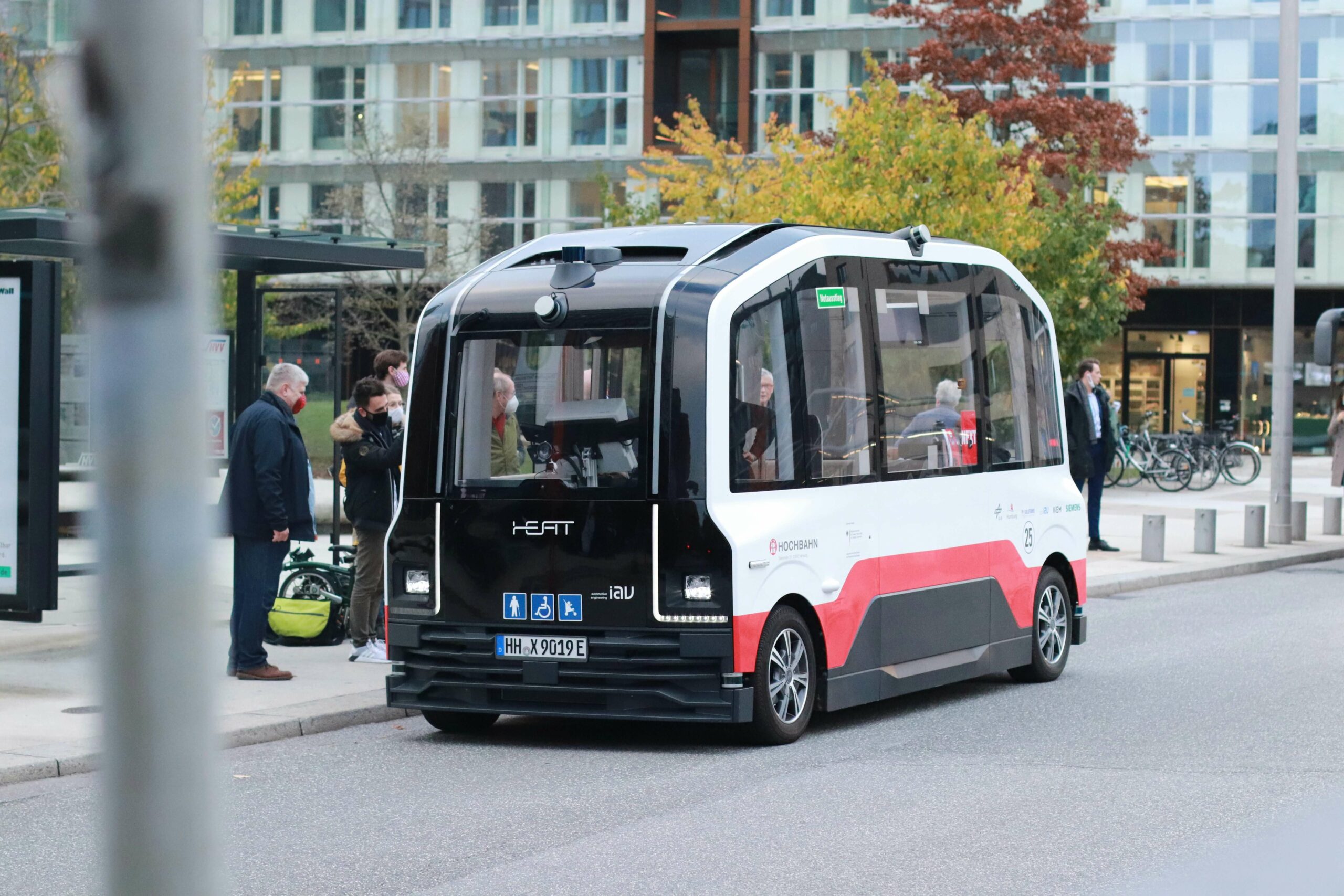
Mobile broadband is at the heart of the smart transportation revolution. It enables the integration of IoT (Internet of Things) devices into transportation infrastructure, such as connected vehicles, traffic lights, and sensors on roads and railways. This connectivity allows for the collection and analysis of vast amounts of data in real time, leading to more efficient traffic management, reduced congestion, and enhanced safety.
Better Fleet Management
For logistics and delivery companies, mobile broadband facilitates better fleet management through GPS tracking and telematics. Managers can track vehicle locations, monitor driver behaviour, and optimise routes more effectively. This not only reduces operational costs but also improves service delivery times and increases customer satisfaction.
Emergence of Ride-Sharing and On-Demand Services
Mobile broadband is the backbone of the ride-sharing economy. Services like Uber and Lyft rely on mobile internet to match drivers with passengers efficiently. These platforms use data analytics to forecast demand and adjust their pricing in real-time, improving service reliability and customer experience.
What Are the Environmental Impacts of Mobile Broadband in Transportation?
Integrating mobile broadband into transportation can also contribute positively to environmental sustainability.
Reduced Carbon Footprint
By improving traffic management and reducing congestion, mobile broadband helps decrease vehicle idling times and thus, lowers emissions. Additionally, efficient fleet management and route optimisation lead to less fuel consumption and a lower carbon footprint for transportation companies.
Support for Electric and Hybrid Vehicles
As the world moves towards electric and hybrid vehicles to combat climate change, mobile broadband supports this transition. For instance, mobile apps can help drivers locate available charging stations and even reserve them in advance, thus supporting the infrastructure for these vehicles.
Are There Any Challenges to Mobile Broadband in Travel and Transportation?
Despite its benefits, the integration of mobile broadband into travel and transportation is not without challenges.
Coverage and Connectivity Issues
While mobile broadband coverage has improved dramatically, there are still areas, especially in remote and rural locations, where connectivity is poor or non-existent. This can disrupt travel plans and transportation services that rely on constant data access.
Security Concerns
The increased connectivity also raises concerns about data privacy and security. Travellers and transportation companies must be vigilant about protecting personal and operational data from cyber threats.
Infrastructure and Cost
Developing the necessary infrastructure for widespread and reliable mobile broadband, especially in developing regions, requires significant investment. The cost associated with upgrading technology and maintaining the network can be prohibitive.