
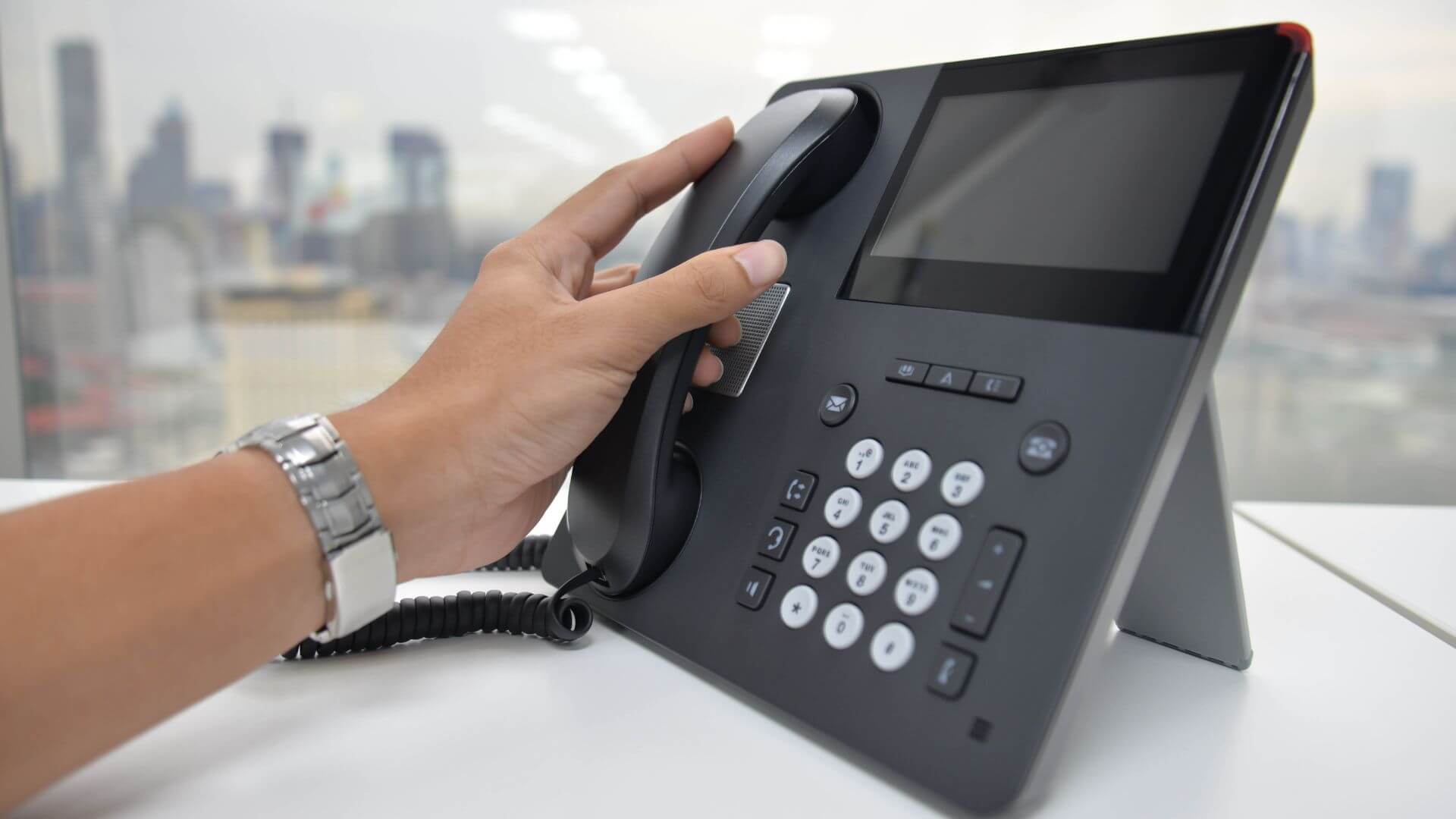
Voice over Internet Protocol (VoIP) has come up as a powerful substitute for traditional phone systems and is enhancing business communication. Nevertheless, countless corporations are still using outdated phone systems and may be unwilling to transfer over due to compatibility concerns. Understanding the compatibility of VoIP solutions with legacy phone systems is crucial for business owners, alongside spotting problems associated with old phone technologies.
Will Old Phones Work with VoIP?
Old phones do work in conjunction with VoIP systems but there are a few things to consider. Traditional analogue phones require an Analogue Telephone Adapter (ATA) to connect to a VoIP network. An ATA converts analogue signals from a legacy phone into digital signals that can be transmitted over the internet. This makes it possible for businesses to keep their existing phones while enjoying the benefits brought about by VoIP technology.
Problems with Legacy Phone Systems
Legacy phone systems, once dependable in the past, present different challenges within today’s corporate settings. These old systems have rather high maintenance costs, due to outdated hardware. Furthermore, growing a legacy system involves substantial investment in new hardware and infrastructure, which is not ideal for business scalability. When comparing old copper-wire phone systems to those which are using the internet, like VoIP, there are clear disadvantages of additional features such as call forwarding, voicemail-to-email, among more.
Benefits of Switching to VoIP
Switching from legacy phone system provides several advantages that address the drawbacks of old telephone system:
Cost Savings
The use of internet infrastructure for communication significantly lowers operational expenses associated with traditional telephone lines, long distance charges as well as maintenance costs.
Enhanced Features
These include such advanced features as call forwarding, voicemail-to email or video conferencing that enhance productivity and communication efficiency.
Scalability
This is because of the fact that VoIP systems are easily scalable. The ability to add or remove lines without any major hardware changes is a big benefit for businesses.
Flexibility and Reliability
With VoIP, remote work and mobile communication become possible so that employees can remain in touch wherever they have internet access, and modern VoIP systems offer higher reliability and better call quality; reducing the risk of downtime and communication disruptions.
How You Can Switch to VoIP
A smooth transition from legacy phone system to VoIP is possible with the right approach. Below are some steps you should consider:
Using Adapters
The simplest way to switch over to VoIP while keeping your old phones is by using Analogue Telephone Adapters (ATAs). These devices connect to your legacy phones and convert analogue signals to digital, allowing them to operate on a VoIP network. This approach minimises the need for new hardware and enables a gradual transition.
Investing in VoIP Phones
For businesses looking to fully leverage VoIP capabilities, investing in dedicated IP phones is a wise decision. Such phones are designed for VOIP use only so that their features include HD voice quality as well as programmable buttons among others. Although this option has an upfront cost associated with it, it ensures optimal performance and feature utilisation.
Implementing Business VoIP Lines
Businesses can also try implementing business VoIP lines for a more comprehensive solution. This is through setting up a VoIP system that works with your existing communication infrastructure. Providers are known to offer custom-built solutions that come inclusive of cloud-based PBX systems, highly sophisticated call management features, and support for both new VoIP phones and ATAs for old analogue devices.
Choosing the Right VoIP Provider
It is important therefore to choose a reliable voip provider if you want your migration to be successful. Look out for suppliers offering complete support, competitive prices and range of features which suits your business needs. Consider also the providers having integrated interface for existing systems or future growth options.