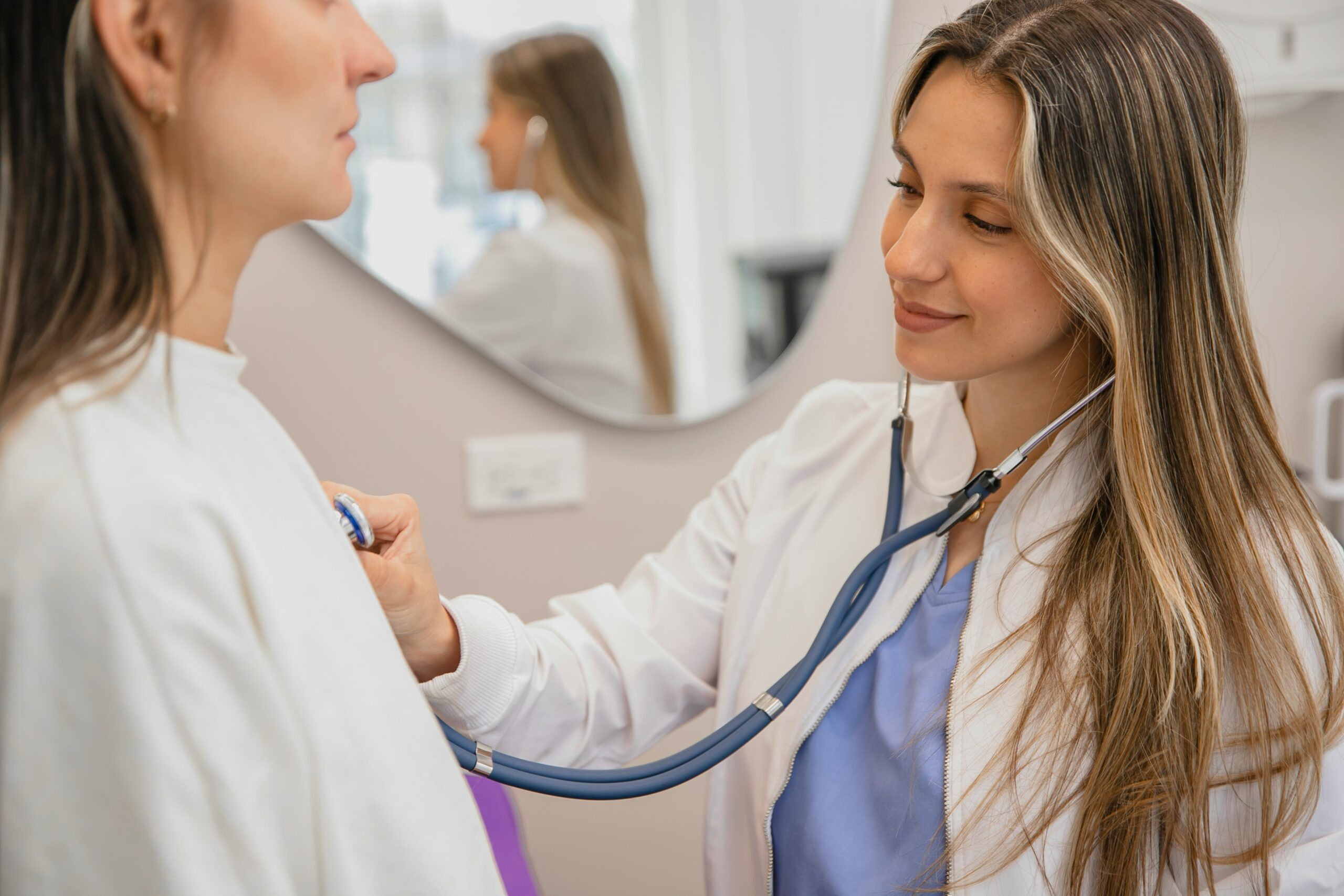
Seamless connectivity is revolutionising the healthcare sector, driving improvements in patient care, operational efficiency, and professional collaboration. With reliable networks, healthcare providers can offer telemedicine services, enabling patients to access medical expertise from the comfort of their homes.
Real-time monitoring devices ensure that critical health data is instantly available to doctors, while streamlined communication between teams enhances decision-making and emergency response. From remote diagnostics to managing electronic health records, connectivity is the foundation for delivering better, faster, and more accessible healthcare services.
What Are the Benefits of Connectivity?
Connectivity has many benefits, including:
- Improved quality of life: Good internet access can help people stay active, reduce stress, and spend more time with family.
- Education: Connectivity can enhance education and democratize access to information.
- Cost savings: Connectivity can help businesses save money through predictive maintenance and optimised spare part sourcing.
- Security: Wired networks are more secure than wireless networks because access is limited to physical cable connections.
- Reliability: Reliable connectivity means that web apps behave well even when the network is slow or intermittent.
- Disaster recovery: A direct connection to multiple cloud providers can enable organizations to have a disaster recovery solution in place.
What is the Role of Connectivity?
Living without the Internet to establish social relationships or do business has become unthinkable since it plays a fundamental role in communications, enabling connections and shortening distance.
What Are the Top 5 Benefits of Connectivity In the Health Care Sector?
Connectivity can provide the healthcare sector with various benefits. Here is a list of the top 5 benefits of connectivity in the healthcare sector:
Patient Access
Not all patients have equal access to health care. Some people live in rural areas, far from big hospitals and specialists. Other patients have busy schedules that make it difficult to attend regular appointments or they miss appointments because they are disabled, bedridden, or don’t have transport.
Connectivity makes it possible for patients to schedule web consultations with doctors. These web consultations enable the patient and doctor to confer face to face no matter where they are located. The doctor can use web video to see any visual symptoms. With a high-speed network, these interactions between patients and doctors take place in real-time.
Collaboration Between Treatment Team Members
A treatment team’s members can’t always be in the same location at the same time. When a patient is admitted to the hospital, their doctors might need to speak with a specialist or their primary care physician. To obtain a comprehensive picture in an emergency, EMTs must consult the patient’s medical history. Patients may go to urgent care facilities where their records are not accessible. All of these healthcare professionals can speak with each other thanks to connectivity.
Real-Time Monitoring
For patients with chronic health conditions, having current and accurate information about vital signs is crucial to their survival. Diabetics need their blood sugar levels monitored. Patients with hypertension or heart failure must keep track of their blood pressure and heart rate.
Wearables record this data, but in order to identify concerning patterns, the information must be instantly available to medical professionals. In order to send timely notifications when medical action is required, high-speed connectivity guarantees that data from the monitor is delivered at the speed of light.
Better Emergency Care
Connectivity is especially crucial during an emergency. An emergency can happen anywhere. For example, after a car accident, first responders may need to act quickly on a roadside. Being out in the field, miles away from the nearest healthcare facility, they need a quick way to access medical resources for treatment on-site.
Secure Data
The digitisation of health care creates ample opportunities for hackers to access sensitive personal information about patients. As information passes back and forth between the hospital’s data centre, doctors, and patients, it can be intercepted by cybercriminals who can sell it for top dollar on the black market or use it to commit insurance fraud. Fibre optics provides secure and reliable connectivity for healthcare institutions.