Responding to an emergency is stressful. However, connectivity can help a lot of emergency responders prepare for what they are responding to. Connectivity enables rapid response in emergencies by allowing real-time communication between responders, authorities, and affected individuals giving them real-time information about the situation.
What Is the Role of Communication in Emergency Response?
One of the key benefits of modern connectivity in public safety is the ability to facilitate instant communication. Emergency services such as police, fire, and ambulance teams can communicate with each other in real-time, sharing critical information that accelerates response times.
Fibre optic cables use light pulses to transfer data instead of typical copper-based connections, offering a substantially larger bandwidth. Faster upload and download rates are made possible by this larger capacity, allowing 4K and high-definition video to stream smoothly.
How Do We Activate an Emergency Response?
Activating an emergency response involves several key steps to ensure a quick and efficient reaction to a crisis. First, you need to assess the situation to determine the severity and type of emergency, such as a natural disaster or medical emergency. Then, notify the appropriate emergency services like the local authorities, and provide clear and detailed information about the situation, location, and any immediate dangers.
Next, activate internal emergency protocols within your organisation or community. This may include alerting key personnel and using alarms or emergency communication systems. Make sure to communicate with employees, residents, or team members, providing them with clear instructions.
Once emergency services are involved, cooperate with first responders by providing necessary information, such as access to the premises or details about the situation.
How Connectivity Is Used To Enable Rapid Response in Emergency Situations
When responding to an emergency, they need any situational updates must be relayed to these emergency response teams in real time over stable and resilient mobile networks. Recent advances in mobile connectivity solutions can now support these mission-critical communications through:
- Satellite networks
- LTE networks
- 4G and 5G broadband
Communication Between Emergency Responders
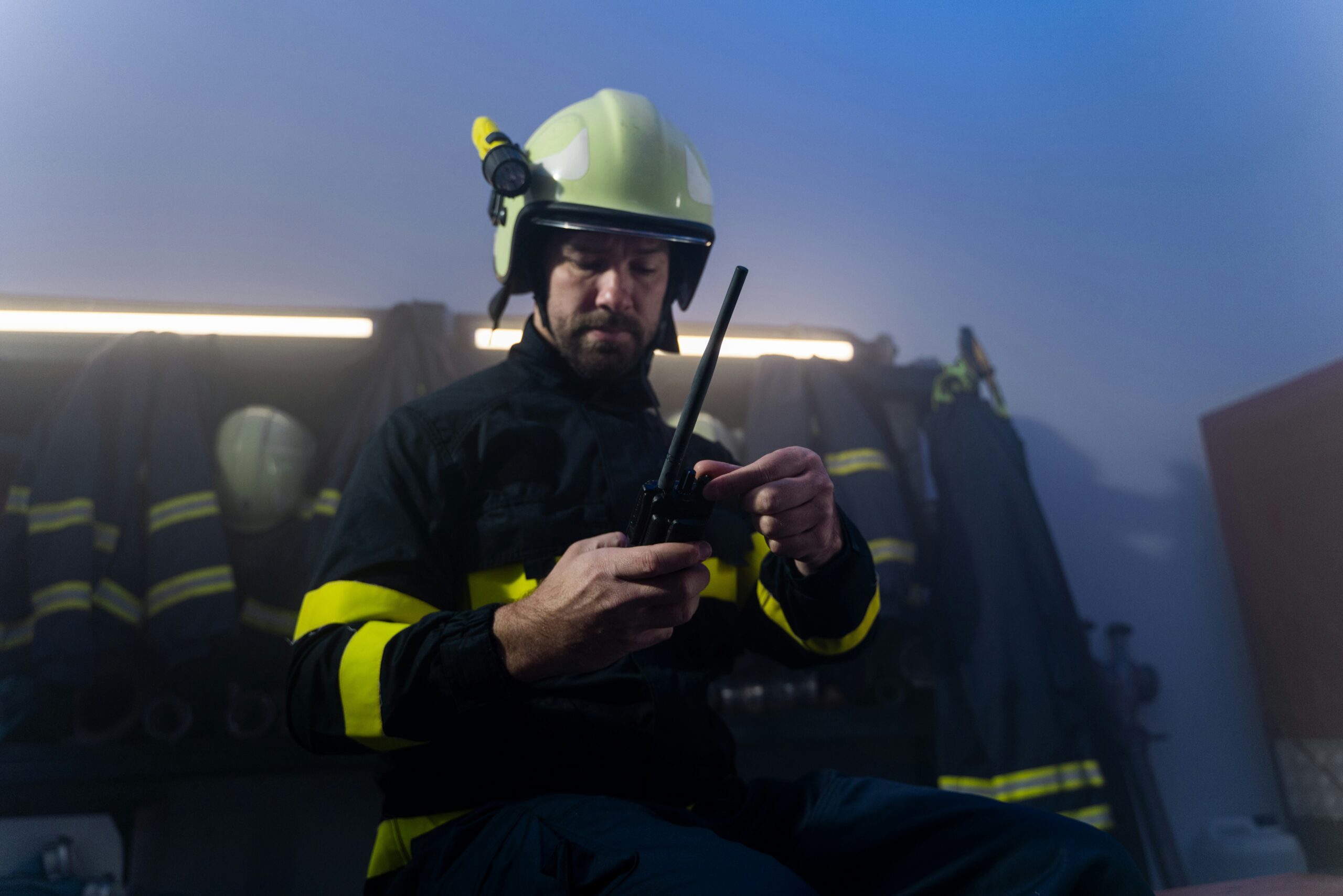
Mobile connectivity helps emergency responders like firefighters receive critical updates about crises unfolding at emergency sites. Firefighters can effectively prepare for the best course of action by using this knowledge. Not just firefighters gain from this. This information can be used by other first responders to manage crises effectively.
GPS Emergency Vehicle Tracking
Mobile connectivity also helps dispatch centres track the number of emergency vehicles dispatched to emergency calls and those closest to the emergency sites. Using GPS monitoring, dispatchers may guide these cars through congested areas to cut down on the time it takes to get to the emergency sites.
Real-time Updates and Public Alerts
During high-stress emergencies like fires, active shooter situations or natural disasters, families of victims and the general public will be anxious to hear about any situational updates. Call centres tend to be overwhelmed with hundreds to thousands of calls in such instances.
What are the Advantages of Connectivity in Emergency Response?
Connectivity in rapid response is critical to ensure the safety of everyone. It also has significant advantages, which include:
Faster Response Times
Responding to emergencies requires good communication, especially when considering the amount of new information communicated simultaneously from different sources.
Increased Situational Awareness
When heading into emergencies with limited information, responders may not be aware of the gravity of the crisis. With mobile communication tools, police officers called to an active shooter scenario can gain prior knowledge about the shooter’s and victims’ locations.
Improved Location Accuracy
Connectivity is critical to locating emergency victims in hard-to-reach geographic locations. Interruptions in mobile communication can be the difference between life and death in emergencies where victims lose consciousness before sharing their precise locations.
Enhanced Public Safety
Using the Wireless Emergency Alerts system, government agencies can issue real-time updates and alerts to individuals in specific geographic locations. Usually, push alerts or text messages are used to provide these warnings to mobile phones.
For example, local government organizations can notify the public of upcoming high-security threats or natural disasters.