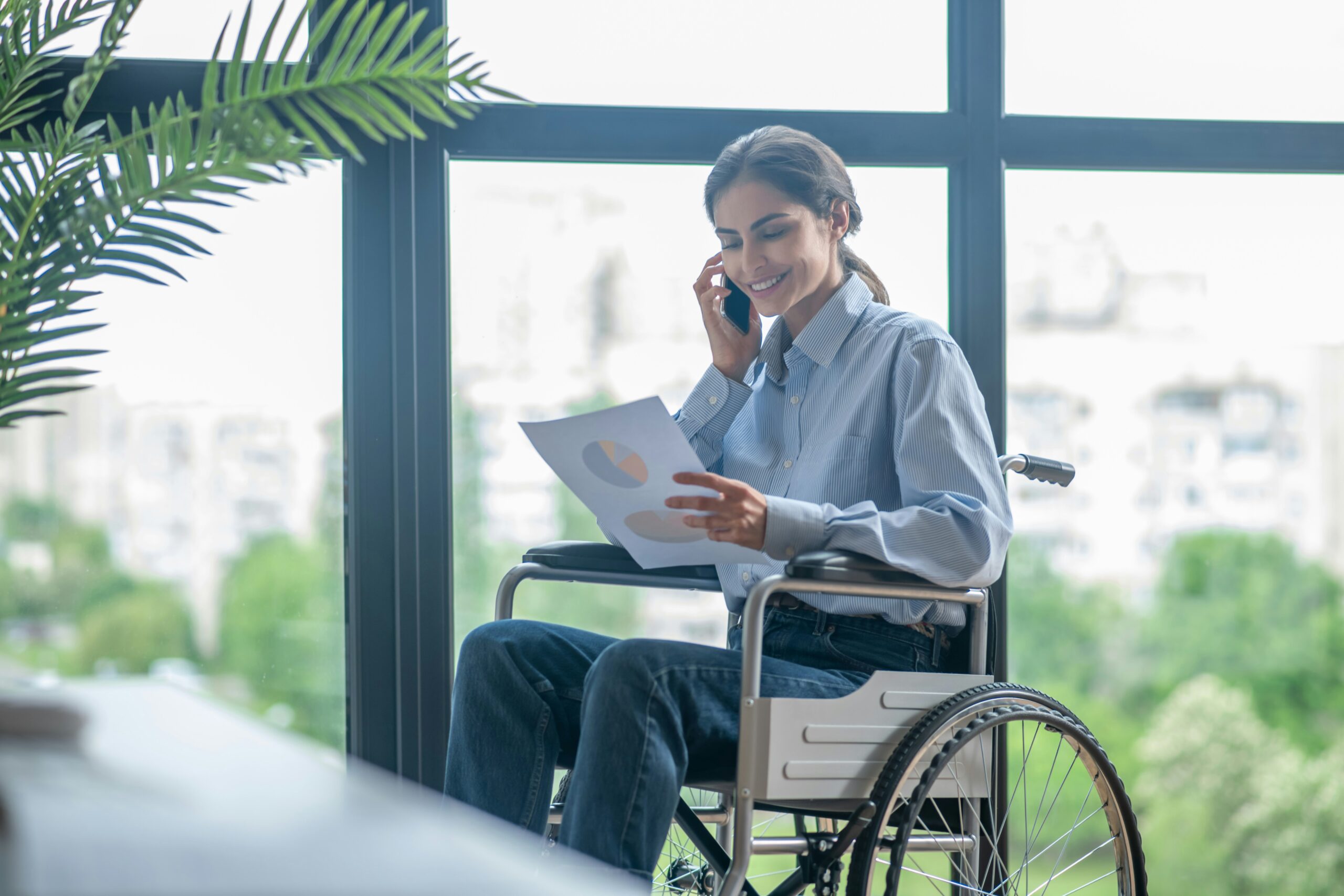
People with certain disabilities can’t leave their houses or don’t feel comfortable leaving. This is why connectivity for people with disabilities is important. Connectivity can greatly improve accessibility for people with disabilities by enabling access to assistive technologies and online services.
How Does the Digital Divide Affect People With Disabilities?
The digital divide has a disproportionate impact on people with disabilities, hindering their access not just to education and employment, but to life-affirming social activities.
The fact that so much of modern life is done and made possible by technology is a major issue. This implies that those who are unable to use it for many reasons may eventually become irrelevant.
How Does the Digital Divide Affect People Without Internet Access?
Without access to digital technologies, people can miss out on social opportunities like meeting and talking to new people, and staying connected to long-distance family members which can make them feel isolated.
Technology That Can Improve Accessibility for People With Disabilities
There are various new technologies that can provide access for people no matter their disability. Some of these include:
- Screen Readers: A screen reader is a web accessibility software tool which reads text on the screen with a speech synthesiser or translates it into braille.
- Sip and Puff Systems: The technology has been adapted to allow people with physical disabilities, such as paralyzed people, to also access the computer.
- Braille Keyboards: This is a piece of assistive technology which has eight keys used to compose the Braille letters.
- Voice Controls: Voice control accessibility software includes programs that convert speech to text, and also allow you to command the computer with your voice.
Key Ways Connectivity Can Help People with Disabilities
The internet has become a basic part of our daily lives. It is a rich source of discussion, fun, facts, and community that is home to an endless number of ways to kill boredom and share thoughts. Here’s how connectivity can help people with disabilities:
Support Groups
The internet has provided space for people with disabilities to form communities with people sharing similar problems online. These communities have turned into places where they can interact, share their problems, and encourage one another. The online support groups created help them connect and help them navigate through life. Given the availability of the internet throughout the world, people with disabilities can connect globally and feel at ease because they are not alone.
Communication
The internet has created the possibilities for people to communicate globally, which would have otherwise not been possible. Growth in technology and the advent of the internet provide endless opportunities for communication among people with disabilities. They can engage in virtual meetings, which would have otherwise not been possible without the Internet.
Increased Chances of Employment
The internet has made it possible for remote work. People with disabilities are taking advantage of the internet’s presence to apply for jobs that do not require the individual’s physical presence in the workplace.
Access to Services
The internet has made it possible for people to access services through online platforms, and people with disabilities are no exception. People with disabilities can access all kinds of services from the comfort of their homes like online banking and shopping, including food and groceries. They are taking advantage of the benefits brought by the internet, ordering products and services online so that everything gets delivered to their doorstep.
Impact and Benefits of Connectivity for People with Disabilities
Creating accessible technology not only enhances the lives of people with disabilities but also benefits society as a whole. Accessible websites, applications, and devices enable individuals with disabilities to participate more fully in education, employment, social interactions, and civic engagement.
By breaking down barriers and promoting inclusivity, accessible technology contributes to a more equitable and just society where everyone has the opportunity to thrive.