
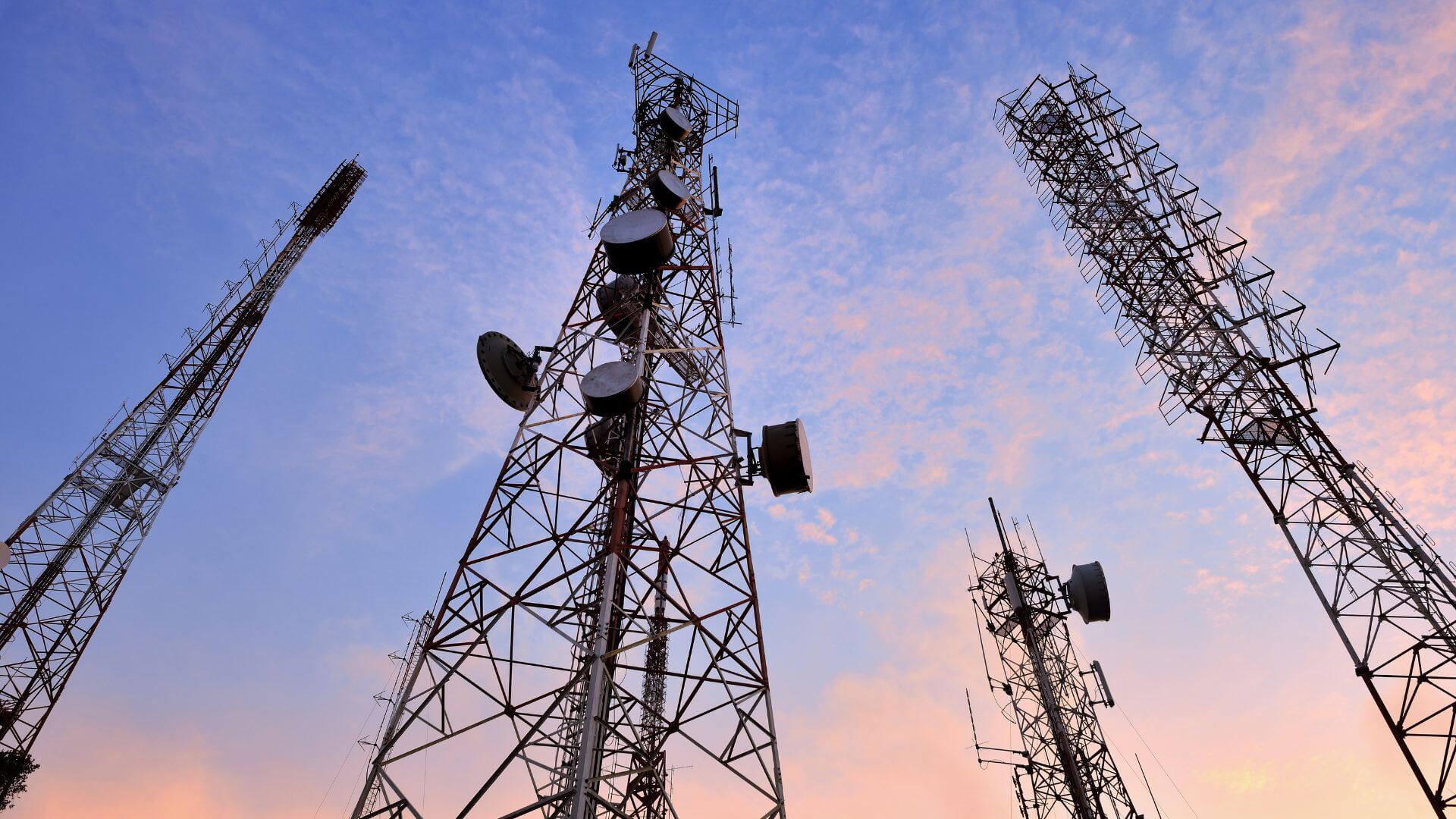
There is no doubt that we are living in the age of digital connection. The development and constant advancement of technologies such as phones, Wi-Fi and the Internet have fuelled our reliance on connectivity.
In fact, this technology has completely revolutionised the way in which we live, work and interact with others.
Boasting a range of benefits, connectivity has given access to education and more information that people may otherwise not have previously had access to. It has opened the door for global collaboration, and businesses have capitalised on this.
Most companies made the move to remote working after the Covid-19 pandemic and the majority have teams working around the world. This has been made possible due to the Internet and increased connectivity.
The Environmental Impacts Of Connectivity
While connectivity offers numerous benefits, it also poses a few challenges with regard to its impact on the environment. Whether these are immediate impacts or future ones, they still need to be addressed before they escalate.
More E-Waste Is Produced
If you consider how many devices are in one household alone, the number of devices that exist in total is quite a large one. It’s not uncommon for most people to have a mobile device, a desktop for work purposes and potentially a laptop or tablet for personal use.
These are continuously upgraded for example, iPhone releases a new model each year. This makes the older models obsolete at a quicker rate, spiking an increase in E-waste. According to the Global E-Waste Monitor, more than 53 million tons of E-waste was reported in 2019. This is expected to increase by a further 30% by the time 2030 arrives.
The issue with E-waste is the fact that it contains substances that are harmful to the environment, such as lead and mercury. If these sink into the soil or contaminate water the sources, the effects will be detrimental.
Carbon Footprints Are Increasing
All activities that take place online contribute to the digital carbon footprint, whether it be streaming, shopping online or using social media platforms.
Every time that someone sends an e-mail or searches for information on Google, it requires a large amount of energy for the data to be able to be transmitted over the networks.
One of the most energy-intensive activities is video streaming especially as streaming services such as Netflix have become incredibly popular as a way to watch movies or series.
A study conducted by The Shift Project showed that the carbon emissions that resulted from streaming are around the same amount of emissions that would be created by 300 million vehicles.
The Manufacturing Of Devices
The production of all digital devices has caused concern for its effects on the environment.
Raw materials need to be extracted from the ground and when this happens, it is common for habitats to be damaged and water sources polluted.
Following the extraction process, the actual manufacturing of the devices requires a large amount of energy to complete production. Additionally, the process releases gases and pollutants into the air, adding to the global warming concern.
Sustainable Solutions For The Future
There is no disputing the fact that connectivity is so integrated into our daily lives that we can’t avoid using it. In response to increased digital use, these solutions can mitigate further impact on the environment.
Improve E-Waste Recycling Systems
One of the ways in which E-waste recycling can be improved is if manufacturers design devices to have longer lifespans. This way, they won’t become obsolete as quickly, reducing the amount of E-waste.
Another option is to design the device components in a way that more of them can be recycled or reused.
Eco-Friendly Innovations
New innovations that have less of an impact on the environment are on the rise, such as smart grids and IoT devices that are more energy-efficient.
This way, connectivity can still take place but with an overall reduced effect on the environment.
Invest In Renewable Energy
Connectivity requires data centres and base stations which need to be powered.
However, using renewable energy sources to power this infrastructure can minimise the negative environmental impacts.
Some companies, including tech giant Microsoft, have already made strides in this regard by utilising renewable sources such as wind, solar and even hydroelectric power.