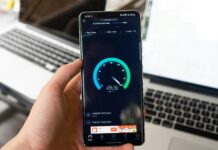

The days of connectivity being a luxury are long gone. Today, it is a necessity regardless of whether you are travelling, working remotely or studying online. Without an Internet connection, it’s easy to feel left behind in the digital age.
Mobile broadband is becoming an increasingly popular alternative to traditional Internet connections like fibre or ADSL. This is because not only is it fast and reliable, it can be used from anywhere. So if you’re working from different locations or in an area where fibre isn’t available, you can still stay connected at all times.
What Is Mobile Broadband?
Traditionally, Internet connections like fibre or ADSL were used but mobile broadband enables connection using the same mobile network used by your smartphone, including 4G and 5G.
You can access mobile broadband through a number of ways including using data-only SIM cards or mobile Wi-Fi hotspots. Some USB modems can also be plugged directly into your laptop for access.
In addition to remote workers or travellers, mobile broadband is especially useful as a backup if a fixed-line broadband goes down or if businesses need a temporary Internet setup for events.
Types Of Mobile Broadband
Before deciding on a mobile broadband plan, it’s worth understanding what types of options are available that will suit you. Let’s take a look at some of the most common options.
Mobile Wi-Fi devices: Also known as MiFi, these battery-operated routers use mobile networks to create a personal Wi-Fi network. While they are portable and can connect to multiple devices simultaneously, they do require a lot of charging time.
Dongles or USB modems: These devices are plugged into your laptop’s USB port and are easy to use. While they don’t require any separate battery, they are only limited to one device and can sometimes be slower.
Fixed mobile broadband: This is a router that is installed at your place of residence which connects to mobile networks. It’s ideal for homes without fibre and offer stronger, stable connections however they stay in one place and are not portable.
SIM-only mobile broadband: This is a SIM card that is inserted into a compatible device, offering more flexibility as you can use your own device. The downside is that the device needs to be able to support the hardware for use.
What To Consider When Choosing Mobile Broadband
When it comes to choosing your mobile broadband plan, it’s easy to only consider the more affordable or fastest option. However, it’s always recommended to consider multiple factors to make sure that you choose the one best suited to your needs.
Coverage
This is undoubtedly the most critical factor to consider. You won’t be able to benefit from a fast 5G plan if there is no 5G coverage in your area.
To check this, you can look at coverage maps offered by the provider to see if your area is supported. Additionally, you could ask other residents in the area about how their mobile broadband experience has been.
Data Allowance
Most mobile broadband plans will have data limits. Before deciding on a plan, consider an estimate of how much data you will need on a monthly basis. In addition to this, ask yourself what your main activities online are. Internet browsing and e-mailing will use less data than streaming movies in HD or gaming.
When you have an estimated amount, choose the slightly higher plan to make sure that you avoid any additional fees for exceeding the limit.
Speed
While higher speeds often have higher costs, you should choose the one that can accommodate your needs. 3G has become outdated and today, can only really be used for basic browsing.
4G is suitable for remote working and video streaming while 5G is ultra-fast for high-definition video quality or cloud gaming.
Device Compatibility
If you plan to use your own router or device, check that it does support the correct frequencies. There are some 5G plans that will require specific devices for compatibility, and this will come at an additional cost.
Cost Of Plan
Consider a service provider’s monthly fees, the cost of devices, out-of-bundle charges and any setup fees. If you already have a device with that provider, you may even qualify for a discount or bundle packages.
Roaming
If you intend to use your mobile broadband while travelling internationally, it’s crucial to check the provider’s international roaming policies. Ideally, your plan should include global roaming data bundles.
Length Of Plan Contract
Depending on what your needs are, you may need a shorter or longer contract. Some providers have pay-as-you-go options with more flexibility and no need for commitment.
Other monthly contracts usually last a year or two and while the monthly fees may be lower, you are locked in for that duration.
You may find providers that have rolling monthly contracts so you still get the flexibility but at the best price. For those travelling frequently, it’s better to opt for a short-term or prepaid contract.