Mobile broadband has come a long way, and it’s not just for scrolling social media on the go anymore. With faster speeds and more reliable coverage than ever, it’s now powering everything from remote work setups to smart home devices. Whether it’s laptops, tablets, or even gaming consoles, mobile broadband is stepping up to handle multiple devices at once without breaking a sweat. It’s flexible, portable, and perfect for busy households or teams that need to stay connected wherever they are.
What Is Mobile Broadband?
The basic idea behind mobile broadband is to provide broadband-speed internet to devices, whether you’re on the go or away from home.
It is usually provided via a router, which is similar to the one that runs your home internet but is smaller and battery-operated, making it portable. Naturally, there are no wires involved either, so you’re connecting to a mobile network instead of fiber.
How Does Mobile Broadband Work?
The same signal that powers mobile phones is also used by mobile broadband to provide internet access. To connect to the internet, you don’t require a fixed line. Anywhere there is a mobile signal, you can access the internet using mobile broadband.
Can Mobile Broadband Handle Multiple Device Connections?
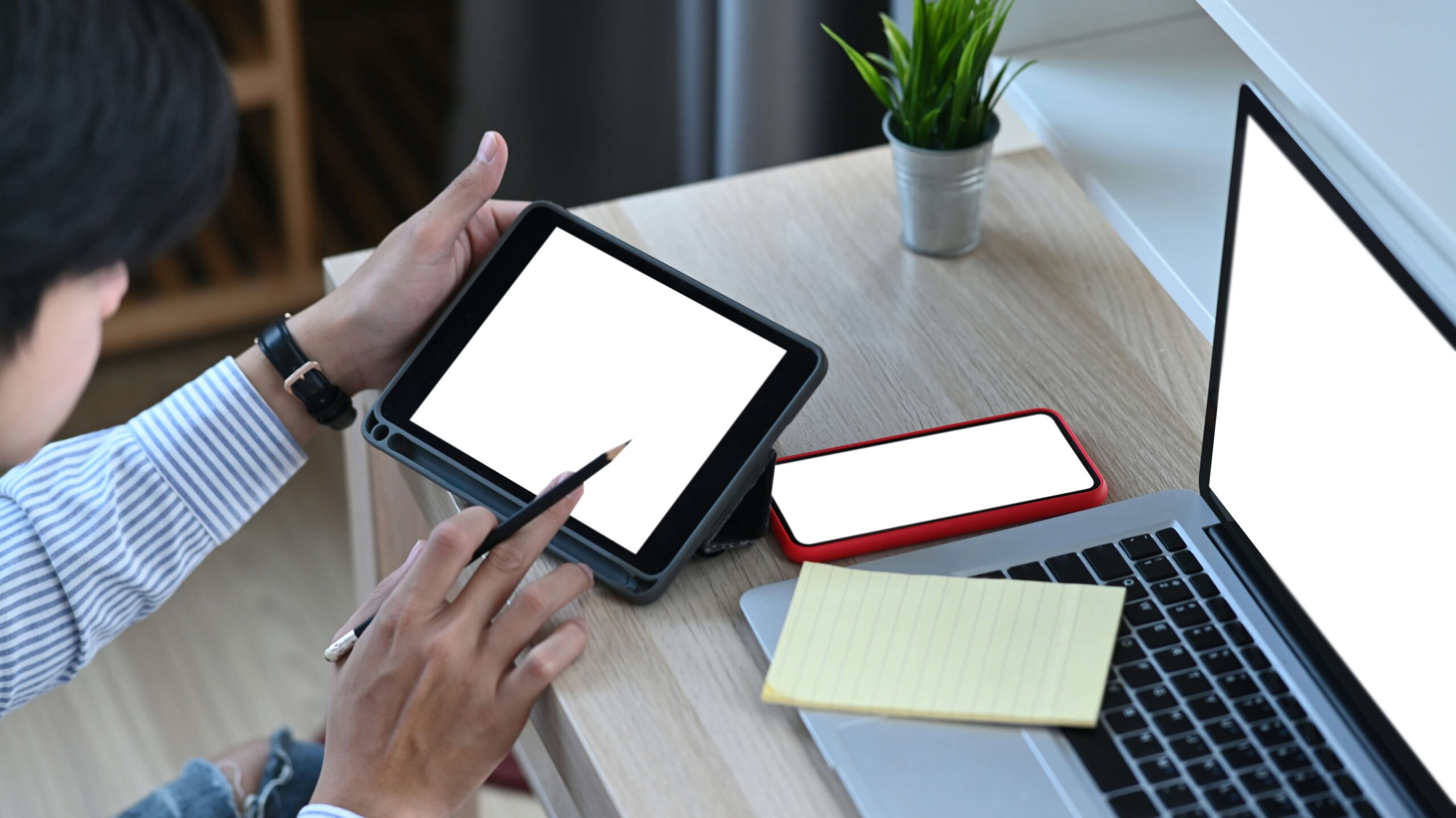
Multiple device connections are supported by mobile broadband. MiFi hotspots and mobile Wi-Fi routers are examples of mobile broadband devices that serve as portable Wi-Fi routers, enabling several devices to connect to the internet at once through a mobile data connection. By establishing a Wi-Fi network, these gadgets allow users to link computers, tablets, cellphones, and other gadgets.
Can Mobile Broadband Be Used As Wi-Fi?
Using gadgets like mobile Wi-Fi routers or dongles that support 4G or 5G mobile networks, you can use mobile broadband to set up a Wi-Fi network that enables numerous devices to connect to the internet wirelessly.
If you need internet connectivity in places where fixed-line broadband is unavailable or unreliable, or if your housing situation is transient or unstable, mobile broadband may be a viable choice.
What Are the Benefits Of Mobile Broadband?
Using mobile broadband can provide you with different benefits. From an easy setup to connecting multiple devices. Here are the benefits of mobile broadband:
Setting Up Is Easy
Even for people who are not very tech-savvy, setting up mobile broadband is quite simple. To set up mobile broadband, you often just need to activate the service by inserting a SIM card into a mobile device or modem.
Compared to regular broadband, a mobile broadband setup is significantly less complicated because it doesn’t require costly cabling or specialist visits.
Flexibility Of Use
There is a lot of versatility with mobile broadband. Numerous gadgets, such as laptops, tablets, smartphones, and mobile routers, can use it.
You may scale your internet consumption to meet your demands thanks to this flexibility. Mobile broadband can adapt to your unique needs, whether you need a temporary connection for a business trip or a permanent solution for your home.
Ideal For Remote Or Rural Areas
Rural residents have poor or nonexistent broadband connections because of the significant lack of broadband infrastructure in some rural and isolated places.
However, by giving people access to the Internet through cellular networks, mobile broadband can close this gap. People who reside in rural areas particularly benefit from this since it gives them access to services and resources that they would not otherwise have, like instructional materials, telehealth choices, and other helpful information.
Less Expensive For Users
Many people in the UK are searching for methods to save costs on essential services because living expenses are higher than they have ever been. Compared to regular fixed-line broadband, mobile broadband may be a more affordable choice for a large number of consumers.
Offers Support For Multiple Devices
These days, mobile broadband subscriptions frequently include large data allotments and the flexibility to serve numerous devices at once. Mobile broadband, according to most providers, can support up to 10 devices simultaneously, which is very helpful for families, small enterprises, and individuals who use a lot of gadgets.
Users can connect several devices, including laptops, tablets, and smartphones, to a single mobile broadband connection by only employing mobile hotspots or mobile routers.