
Working remotely has become the norm for a lot of people and companies in the last five years. Those who have seen the benefits of doing so have fully embraced it, and can manage their time and projects as they please.
But whether you have set up a dedicated home office or like to work in coffee shops while travelling, the need for stable Internet remains. Without it, work will almost come to a standstill entirely. Files can’t be uploaded, e-mails can’t be responded to and meetings could be missed.
Fortunately, mobile broadband plays a big role in preventing this downtime from happening too frequently.
What Is Mobile Broadband?
Mobile broadband is a form of Internet connection that uses wireless networks to provide access to the Internet. These networks usually include 3G, 4G and 5G.
It’s completely different to traditional broadband which requires a physical cable or fibre connection so that you can use it from anywhere as long as there is mobile network coverage.
To use mobile broadband, all you need is a SIM card, data plan and a device like a smartphone, portable Wi-Fi router or tablet.
How Can Downtime Affect Remote Workers?
Downtime usually happens when there is no access to the Internet and it can have plenty of consequences. The longer the downtime continues, the more delayed remote workers will be and could end up missing deadlines and potentially losing clients.
Not only is it highly frustrating, but it can impact professionalism and productivity. This all has a direct effect on income if remote workers experience downtime too often.
Mobile Broadband’s Role In Reducing Downtime
Mobile broadband gives remote workers the ability to do their job from wherever they are and has proven to be indispensable. Let’s take a look at some of the ways it can assist with reducing downtime.
Flexibility To Work Anywhere
With mobile broadband, you don’t need to be tied down to one location. For digital nomads who work while travelling or freelancers bouncing between co-working spots, they can stay connected all the time.
As long as you have mobile signal, you would be able to access your e-mails, upload files or join a meeting with no connectivity disruptions.
It Serves As A Backup Connection
Mobile broadband can also act as a backup Internet connection. In the event that your Wi-Fi has an outage, you can switch to mobile broadband and continue working with minimal interruption.
No Installation Is Needed
Traditional Internet can take a while to install, from days to sometimes weeks. Fortunately, mobile broadband is plug-and-play once you have your device, SIM card and data plan.
Having such a quick setup means that you don’t need to wait long periods to have Internet connectivity and you can avoid missing out on work.
It Allows Multiple Devices To Be Connected
With portable mobile broadband routers, you can have multiple devices connected simultaneously including phones, tablets and laptops.
This is particularly helpful if one household has more than one remote worker and everyone needs to be connected.
It Supports 4G And 5G Networks
These days, mobile broadband is ultra-fast thanks to its 4G and 5G networks. This means that it can support video calling for remote teams who work in different locations and cloud-based apps for file sharing.
It Creates Network Redundancy
It’s common for remote workers to take out mobile broadband with a different service provider than their home Internet.
In case one network provider experiences an outage, the other will still be working to stop downtime and workers can still stay connected.
Smartphones Now Have Hotspot Features
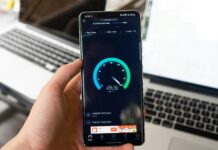
Newer smartphones now have built-in hotspot features which allows them to act as a portable Wi-Fi router.
In the case of your home Wi-Fi having an outage, you can turn on your phone’s hotspot and connect your device. It’s always better to prepare for unexpected outages to reduce downtime as much as possible.