Larger homes often face challenges when it comes to maintaining strong, consistent Wi-Fi coverage throughout the entire space. Thick walls, multiple floors, and extended layouts can create dead zones where signals weaken or drop completely. Internet extenders offer a practical solution by boosting the existing Wi-Fi signal and helping it reach areas that the main router struggles to cover. For households relying heavily on streaming, video calls, or smart home devices, a well-placed extender can significantly enhance performance and reliability across every room.
What Is an Internet Extender?
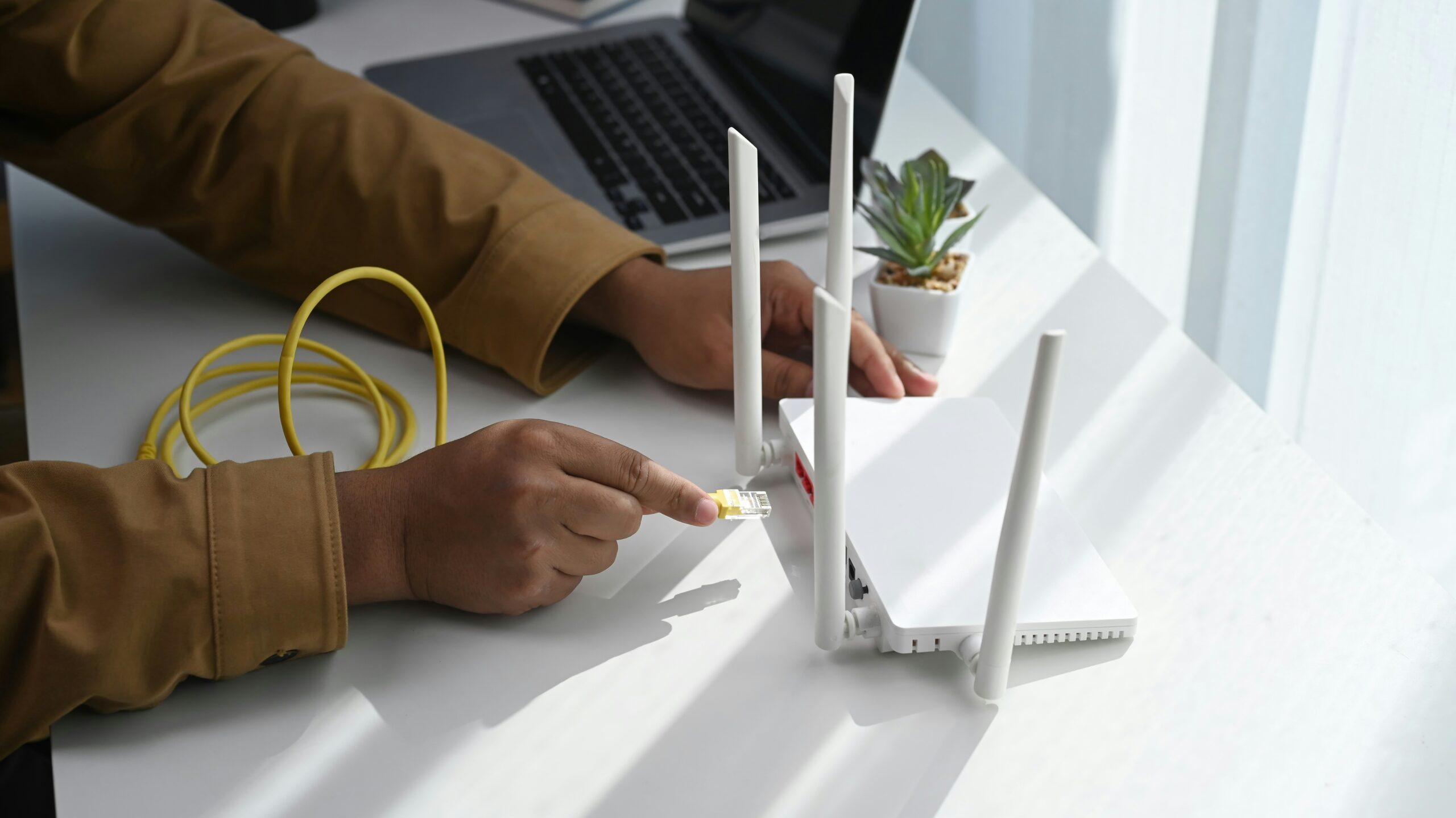
A network device called an internet extender is used to expand a wireless network’s effective range. A Wi-Fi router sends signals to the extender, which then relays the router’s information to wireless endpoints that might have trouble communicating wirelessly with the network directly.
Where Should You Place an Internet Extender?
Position your WiFi range extender midway between your router and the weak signal region to optimize wifi coverage. By doing this, it can efficiently receive the signal from your router and retransmit it further, strengthening the connection in the desired location.
What Is the Difference Between an Internet Booster and an Extender?
While both WiFi extenders and WiFi boosters can assist in strengthening your internet signal, they are not the same thing. Both aid in expanding your WiFi network, however, WiFi boosters typically fortify an existing network, whereas WiFi extenders frequently create a new one.
Are Internet Extenders Worth It for Larger Homes?
Internet extenders can be a worthwhile investment for larger homes, especially when the main router’s signal struggles to reach distant rooms. These devices are designed to boost and repeat your Wi-Fi signal, extending coverage into areas with weak or no connectivity, such as upstairs bedrooms, garages, or basements.
For households with multiple users streaming, gaming, or working online at the same time, extenders can help maintain consistent speeds throughout the home. While they may not match the performance of a mesh Wi-Fi system, extenders are a budget-friendly and easy-to-install option for improving signal coverage in problem areas.
How Far Will an Internet Extender Reach?
The range of an internet extender depends on several factors, including the model, your home’s layout, and any physical obstructions like walls or furniture. On average, most Wi-Fi extenders can add between 50 and 100 feet of additional range.
However, for best performance, the extender should be placed within the existing coverage area of your router, typically midway between your router and the dead zone. Placing it too far from the router can result in a weak signal being extended, which won’t significantly improve your connectivity. For very large or multi-storey homes, a mesh Wi-Fi system may be a better long-term solution.
What Are the Benefits Of an Internet Extender?
Adding an Internet extender to your larger home can provide you with different benefits. Some of these benefits include:
Extended Wi-Fi Coverage
An internet extender helps eliminate dead zones by rebroadcasting your router’s signal to hard-to-reach areas. This is especially helpful in larger homes or properties with thick walls, multiple floors, or outbuildings where signal strength typically drops.
Improved Streaming and Browsing Performance
By strengthening the signal in weak spots, extenders can reduce buffering and lag while streaming TV, browsing, or video calling. This leads to a more consistent and enjoyable online experience across all connected devices.
Better Connectivity for Smart Devices
Smart home devices such as thermostats, security cameras, and smart speakers often rely on stable Wi-Fi. An extender ensures that even devices placed far from the router stay connected and operate reliably.
Easy and Cost-Effective Setup
Most internet extenders are simple to install and configure, making them a user-friendly way to improve connectivity without investing in more expensive solutions like mesh networks.
Supports Multiple Users and Devices
In busy households or home offices, extenders help manage high internet traffic by distributing a stronger signal across more rooms. This allows multiple users to work, stream, or play online without interruptions.