The expansion of broadband infrastructure is a critical step towards modernisation and development. Broadband, fundamentally, refers to high-speed internet access that is always on and faster than traditional dial-up access. As the world increasingly depends on digital connectivity, the infrastructure required to support broadband services has expanded significantly.
While the benefits of broadband are numerous, ranging from enhanced communications to boosting economic growth, it is also crucial to consider its environmental impacts.
What Is Broadband?
Broadband refers to high-speed Internet access that is permanently available and faster than the traditional dial-up connection. It includes various high-speed transmission technologies such as Digital Subscriber Line (DSL), fibre optic cable, cable modem, wireless technology, and satellite connections. The broadband technology a consumer might use often depends on location and availability. For instance, urban areas are more likely to have fibre optic and cable technologies, while rural areas might depend on satellite or DSL connections due to the high costs associated with laying cables over vast distances.
How Does Broadband Infrastructure Impact Land Use?
One of the significant environmental impacts of broadband infrastructure is related to land use. The installation of broadband, particularly fibre optic cables, requires extensive excavation activities. These activities can disrupt local ecosystems, contribute to habitat destruction, and increase soil erosion. The process of laying cables can disturb the ground and adversely affect the flora and fauna, particularly in sensitive or protected areas.
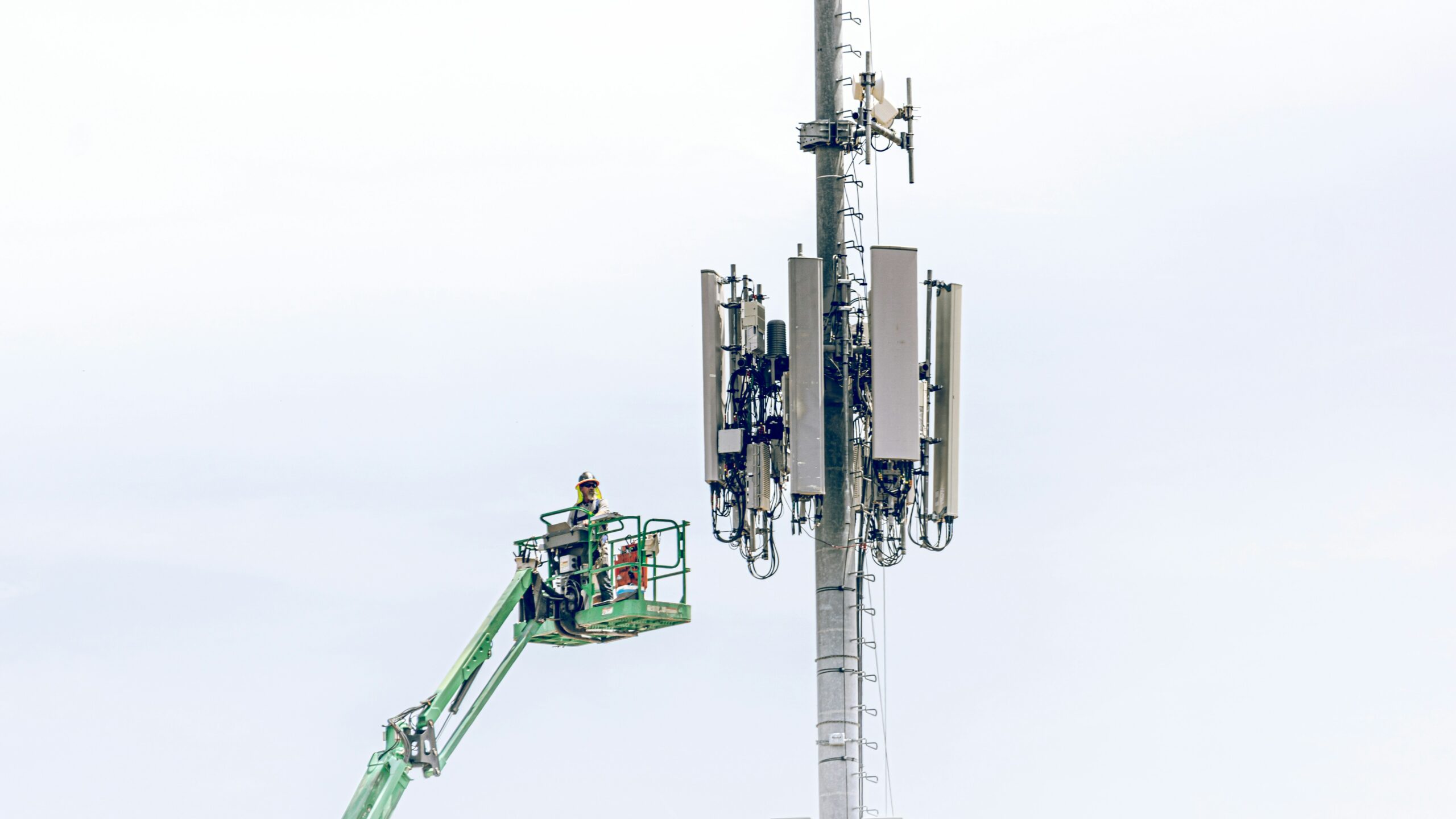
In addition, the construction of cell towers necessary for wireless broadband can also have a visual impact on landscapes and require significant physical space. These structures often need to be built in elevated areas to ensure optimal signal propagation, which can lead to deforestation or alteration of natural landscapes.
What Are the Effects of Broadband on Energy Consumption?
Broadband infrastructure significantly influences energy consumption patterns. On one hand, the deployment of energy-efficient broadband technology can reduce the overall energy usage by enabling smart-grid technology and reducing the need for travel through telecommuting and teleconferencing. On the other hand, the infrastructure itself, including data centres that store vast amounts of data accessible through the internet, consumes large amounts of electricity.
Data centres, which are crucial for supporting broadband services, are known for their high energy demands. These facilities need to be operational 24/7 and require extensive cooling mechanisms to prevent overheating, leading to substantial electricity use. Innovations in data centre technology, such as improved cooling methods and energy-efficient server configurations, are vital in mitigating these environmental impacts.
Does Broadband Infrastructure Contribute to E-Waste?
The proliferation of broadband infrastructure inevitably leads to increased manufacture and disposal of electronic devices like routers, modems, and other related equipment. As technology advances, older equipment becomes obsolete and must be replaced, contributing to electronic waste (e-waste). E-waste is a significant environmental concern due to the toxic materials often found in electronic gadgets, such as lead, mercury, and cadmium, which can leach into the soil and water systems if not properly disposed of.
Encouragingly, many countries are implementing stricter regulations on e-waste management and promoting recycling programs to minimise the impact of discarded electronics on the environment. However, the effectiveness of these programs varies globally, and improper e-waste handling continues to pose environmental risks.
What Are the Implications for Biodiversity?
The construction and expansion of broadband infrastructure can have direct and indirect effects on biodiversity. Direct effects include the immediate impact of physical constructions on wildlife habitats, as discussed earlier. Indirect effects may include the facilitation of human access to previously remote areas, which can lead to increased deforestation, poaching, or disturbance of natural habitats.
Mitigating these impacts involves careful planning and environmental assessments before the construction of broadband infrastructure, as well as investing in technologies that minimise physical intrusion into natural habitats, such as wireless solutions over laying cables where possible.
Can Broadband Help Combat Environmental Issues?
Despite its challenges, broadband infrastructure also plays a crucial role in combating environmental issues. Enhanced connectivity can improve environmental monitoring and enforcement through better data collection and real-time monitoring systems. Broadband can enable more efficient resource management, such as water and energy, by integrating various IoT (Internet of Things) solutions into daily operations, leading to reduced consumption and wastage.
Furthermore, broadband connectivity supports remote work and virtual meetings, significantly reducing the need for travel and thus lowering carbon footprints associated with transportation.
How Broadband Infrastructure Can Expand Sensibly
While the environmental impacts of broadband infrastructure are significant, they must be balanced against the substantial benefits that broadband brings to society. Proactive measures, including improved technology, better waste management practices, and thoughtful planning and regulations, are essential to minimise the adverse effects while maximising the benefits. By fostering an environmentally conscious approach to the expansion of broadband infrastructure, it is possible to ensure that the growth in digital connectivity does not come at the expense of our planet’s health.