Telehealth has become one of the most transformative ways to offer healthcare services to remote or rural areas.
Broadband plays a crucial role in making these services available, and for patients to get the help that they need. By using broadband, patients are able to book consultations with doctors, receive diagnoses and manage any medical conditions.
This form of healthcare has incredible capabilities to improve patient outcomes and reduce healthcare disparities, ensuring medical access to those who previously could not have it.
What Role Does Broadband Play In Telehealth?
Broadband is a key component of telehealth as it allows for communication to take place between patients and medical professionals.
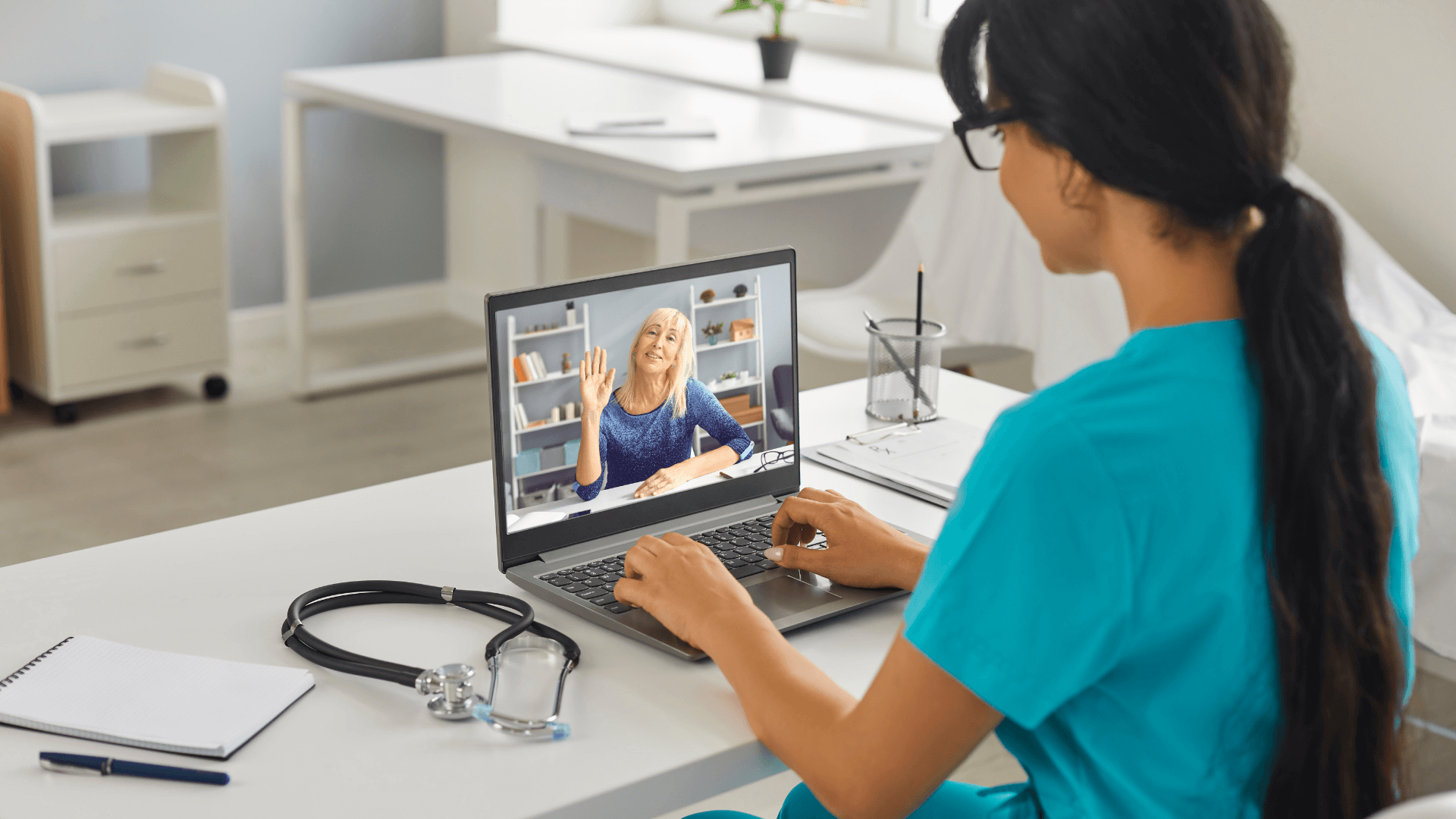
Doctors can consult with patients via video calls to discuss symptoms and receive prescriptions, while online therapy is available for patients who require mental health counselling.
For patients who can’t travel regularly to main areas, they are able to wear devices and IoT (Internet of Things) health monitors that can automatically send their data to their doctors to monitor.
With electronic health records (EHRs) and data sharing, patient histories and test results can be updated in real-time for doctors to provide a swift course of action.
While these services are highly beneficial, they require a stable and high-speed Internet connection to run smoothly and to allow for real-time interaction without any disruptions or lag times.
How Does Telehealth Benefit Remote Communities?
Telehealth is highly beneficial for those in isolated or remote communities, and is a key player in bridging the gap when it comes to medical accessibility. Just some of the benefits include:
Cheaper healthcare costs: With telehealth, patients can save on transport costs to urban areas and even accommodation if they are required to stay for a period of time.
There is greater access: Telehealth eliminates geographical barriers which means that people who couldn’t previously access medical care are now able to do so. This includes elderly people who are not mobile or patients with chronic illnesses who need regular check-ups.
Better management of health issues: Some illnesses like hypertension or diabetes require constant monitoring. These patients are able to track their health through smart apps or wearable devices, and their physicians can access their data without needing to be physically present.
It’s available even during crises: During natural disasters or a time of crisis, physical facilities may be unavailable. With telehealth, patients can still continue their medical care through remote consultations and prescriptions.
Are There Any Challenges With Implementing Telehealth In These Areas?
Despite the countless benefits associated with telehealth in remote areas, there are still numerous challenges preventing its implementation.
Broadband Infrastructure Is Limited
This remains an issue in most remote areas where there is still not enough adequate broadband infrastructure. There are a couple of reasons for this, but mainly because it is costly to install networks in these outlying areas.
Moreover, if rural areas have difficult terrain to navigate, it can be incredibly challenging to install infrastructure properly.
The Digital Divide Still Exists
Despite technological advancements, the digital divide is still very much present. In remote areas, it’s not uncommon for most residents to not have high-speed Internet or devices like smartphones which is required for telehealth services.
Digital literacy also remains an issue, where rural residents do not have the understanding of how telehealth platforms work.
There Are Some Privacy Concerns
When it comes to telehealth services, there is a lot of confidential patient information that is transmitted over the Internet.
If there aren’t stringent cybersecurity measures in place, these platforms are vulnerable to data breaches, hacking attempts and unauthorised access to private patient information.
Patients Can Resist Change
Despite its benefit, some patients and healthcare providers alike are hesitant to participate in telehealth services.
Some people may have a preference for in-person consultations or worry about being misdiagnosed if they are not physically examined.
Moreover, older generations still have a lack of trust in digital platforms and the Internet, causing some hesitancy.
How Can Broadband Access Be Expanded For Telehealth?
For remote communities to receive the full benefit of telehealth services, it’s crucial that broadband access be expanded first. This can be achieved through a number of ways:
Government or private funding: While governments could provide subsidies for the expansion of broadband, private companies can also work with telecom companies to build the necessary infrastructure.
The use of satellite or wireless technologies: Low Earth Orbit satellites like Starlink can offer high-speed Internet in these areas while 5G technology could also enhance access.
Telehealth training: Residents of rural areas should be given the opportunity to receive training on how telehealth systems work and to understand how they can be advantageous to patients.
What Is The Future Of Telehealth?
The future of telehealth services is immensely promising. While connectivity continues to improve, telehealth will eventually become an integral part of healthcare systems around the world. As a result, patients will receive personalised care that is both timely and convenient.
While challenges of its implementation still remain, ongoing efforts to combat these could see telehealth becoming more accessible for everyone regardless of where they are located.