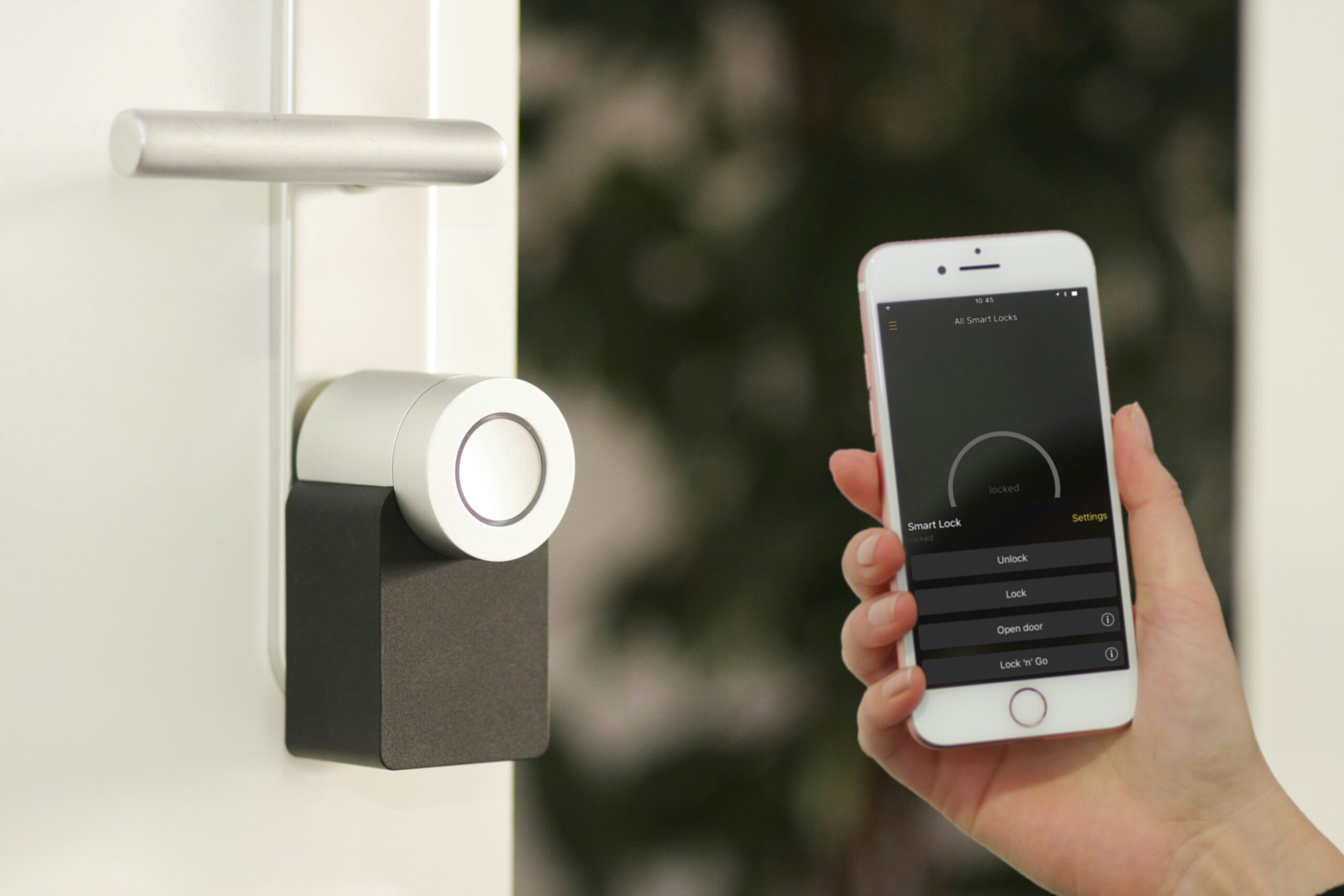
Smart homes rely on seamless connectivity, and the Internet of Things (IoT) plays a key role in making this possible. By connecting devices like smart thermostats, security cameras, and lighting systems, IoT enables automation and real-time communication. This technology enhances convenience, improves energy efficiency, and strengthens home security, creating a more efficient and responsive living environment.
What Is IoT?
IoT or the Internet of Things refers to a network of physical devices, appliances, vehicles, and other physical objects embedded with software and network connectivity. This allows them to share and collect data. IoT devices can range from smart home devices and wearables to transportation systems. IoT allows these devices to communicate with one another and with other devices that are internet-enabled.
How Does IoT Work In Smart Homes?
IoT works in smart homes by collecting environmental data through sensors while actuators perform certain actions based on the collected data like adjusting the heat. These devices are interconnected through Bluetooth, Wi-Fi, or other wireless technologies which allows them to share data. On the device itself or a cloud-based server, the data collected by sensors is processed to make decisions.
By combining these components together, IoT creates smart homes that are not only adaptive to changes in the environment but are also responsive to your needs and preferences.
Can IoT In Smart Homes Enhance Security?
IoT or the Internet of Things in smart home technology can enhance security significantly. IoT can provide an advanced layer of protection that was once out of reach. Here’s how IoT in smart homes enhance security:
- Motion detectors: If you integrate motion detectors with IoT it can trigger alerts, cameras, or lights when movement is detected.
- Smart locks: Smart locks offer you the ability to lock or unlock your doors remotely. This ensures that you can control access to your property at any time.
- Secure Networks: Secure networks are the backbone of any smart home. It safeguards your data and privacy.
- Data encryption: Smart home devices offer robust data encryption to protect you against cyber attacks. It ensures that all communication between you and the devices is secure and confidential.
How Does IoT Drive Connectivity in Smart Homes?
IoT drives connectivity in smart homes by allowing various household devices, like lights, thermostats, security cameras, and appliances, to connect to the internet through sensors and actuators. This enables them to communicate with each other and be controlled remotely through a central hub or mobile app. It creates a network of interconnected devices that can be monitored and managed from anywhere with an internet connection, providing convenience and automation in the home environment.
Why Is IoT Important For Connectivity In Smart Homes?
IoT is important for connectivity in smart homes because it allows different devices like thermostats and security cameras to communicate with each other seamlessly through the Internet. This enables centralised control and automation of the home which provides you with convenience and efficiency.
How Do IoT Devices Transform Your Home?
The Internet of Things devices can turn your home into a smart home. This means you can automate all your smart devices, increasing your convenience. Here’s how IoT devices can transform your home:
Smart Thermostats
Smart thermostats are now essential for creating a balance between comfort and energy savings as a result of the integration of smart homes and Internet of Things technologies. These gadgets are adept at figuring out your preferences and modifying the temperature in your house to meet your requirements. To make your living area always feel inviting, they even go so far as to adjust to the outside weather.
Lighting
How people view and manage lighting has changed as a result of the introduction of IoT in smart homes. With the help of smart lighting systems, you can change your light’s brightness according to the amount of natural light coming in or create the perfect atmosphere for a movie night. With all features as easy to operate as a voice command or a smartphone tap, these systems not only encourage energy conservation but also improve the visual appeal of homes.
Security Systems
The Internet of Things in the home has completely changed our methods and capacities when it comes to home security. Houses have never been safer thanks to motion detectors, security cameras, and smart locks. It has changed the game to be able to remotely monitor your house, get immediate notifications of any suspicious activity, and even manage access to your house from any location in the world.