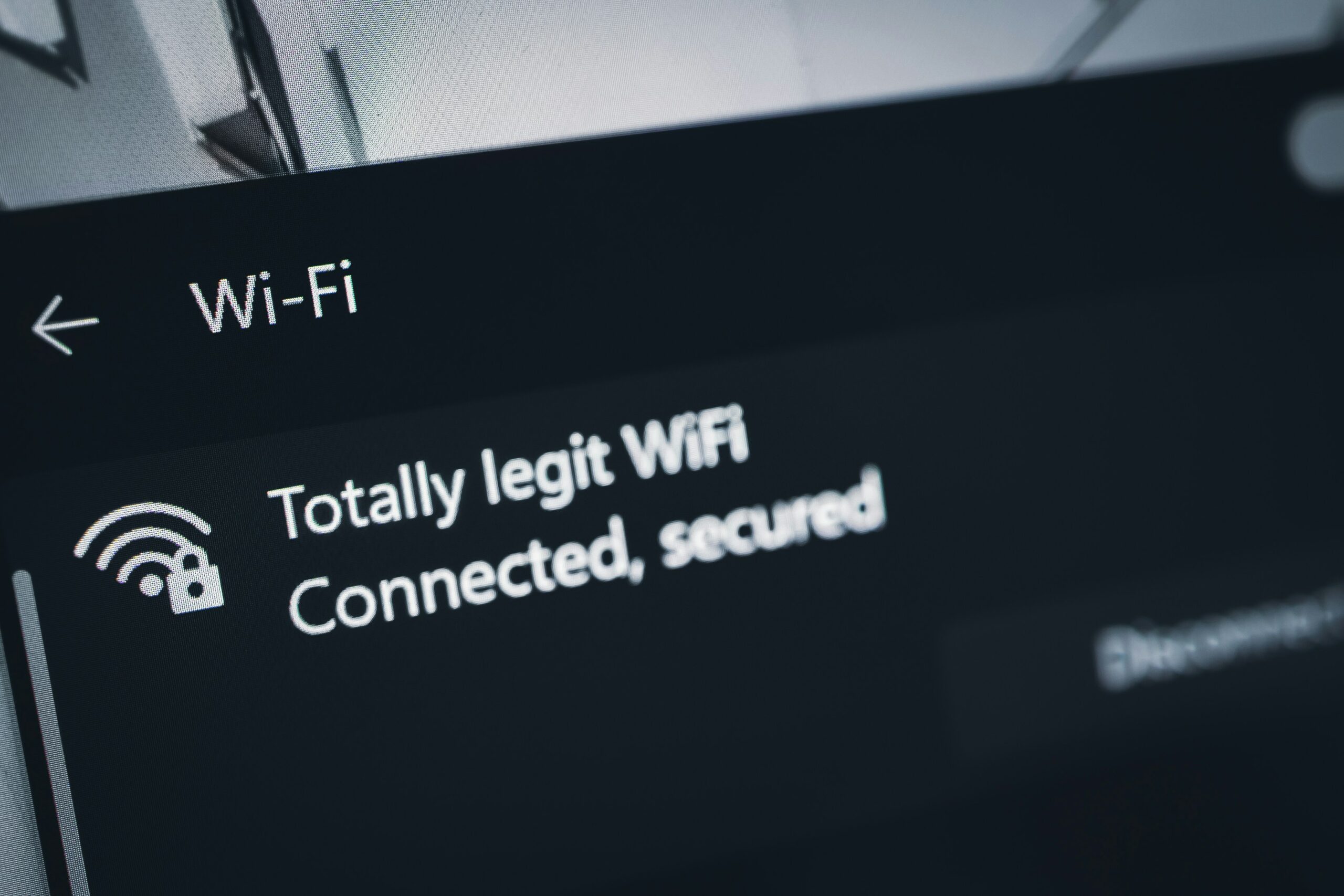
Using public wifi is a common action of many of us, however, the risk of sensitive information being accessed by unauthorised users is quite high. The reason that this can occur is because the network is open and not with private access, meaning that anyone can access the open network making it a lot less secure. People looking to access your sensitive information target public wifi networks as they can easily access information of those logged into the public connection, therefore giving them access to your passwords and potentially banking details (if you log in during your time on the public network).
Are Public Networks Safe?
We might assume that a password-protected public network is secure, but our devices are particularly vulnerable when connected to public hotspots. This is because, on a public network, your device and data traffic are exposed to the hotspot owner and potentially anyone else on the network. Essentially, the websites you visit and any unencrypted information you transmit can be accessed by anyone in the same café or airport lounge.
Where Is Public Wi-Fi Most Commonly Used
Cafes, restaurants and hotels were proven to have been the most frequented public wifi networks, according to information found by Forbes (USA). As more people move around the world working from remote areas these situations are becoming quite common. If one uses public WiFi, their privacy may be compromised since hackers often scour these open networks looking for vulnerabilities.
Major Security Concerns of Public Wifi Networks
Public WiFi networks can be found almost everywhere such as coffee shops, airports libraries offering convenient access to the internet especially when you do not have ones own data bundle or have run out of it while you are still away from home or office premises. Nevertheless, these networks expose serious security threats that may make one’s personal or work-related files be jeopardised.
Man-in-the-Middle Attacks
Man-in-the-middle (MITM) attacks take place when a hacker intercepts communication between your gadget and the internet. This enables them to acquire sensitive information like login credentials, personal data and financial details. Because public Wi-Fi networks lack strong security measures, they are especially vulnerable to MITM attacks.
Malware Distribution
Public Wi-Fi networks can be used as conduits for malware distribution. Through network vulnerabilities, cybercriminals can inject malicious software into your device and compromise its functionality. This malware can steal data, monitor your activities, and even take control of your device remotely.
Session Hijacking
When it comes to session hijacking, an attacker takes over a user’s session on a web application after he/she has been authenticated. Attackers gain the same privileges as the user which might enable them access some sensitive accounts or information. On public Wi-Fi this is particularly dangerous since encryption is often weak or not available.
Eavesdropping
Data transmitted via public Wi-Fi without encryption can be easily intercepted and read by anyone within the physical range of the network signal strength in question. This makes it easy for hackers to track down all that you do on the internet capturing passwords, messages and other important stuff.
Fake Hotspots
Scammers can create false hotspots resembling genuine public Wi-Fi networks where unsuspecting users connect to these rogue networks providing attackers with access to their devices and information unknowingly. These counterfeit ones look quite like real hotspots making it almost impossible to spot them.
Avoiding Risks Connected with Public Wi-Fi Using a VPN
To further avoid any potential hacking scenarios when using a public wifi network, one can also use a Virtual Private Network (VPN), which is one of the easy and effective methods. This makes the entry of hackers seeking unauthorised information difficult in these networks.
How to Avoid Public WiFi Security Risks
Ensuring that your connection is encrypted and using very strong passwords will leave you with peace of mind when using a public network. To go one step further, a simple and effective way to avoid a potential hacking scenario when using a public wifi network is to use a Virtual Private Network (VPN). These networks make it very hard for anyone seeking to access unauthorised information to occur.