
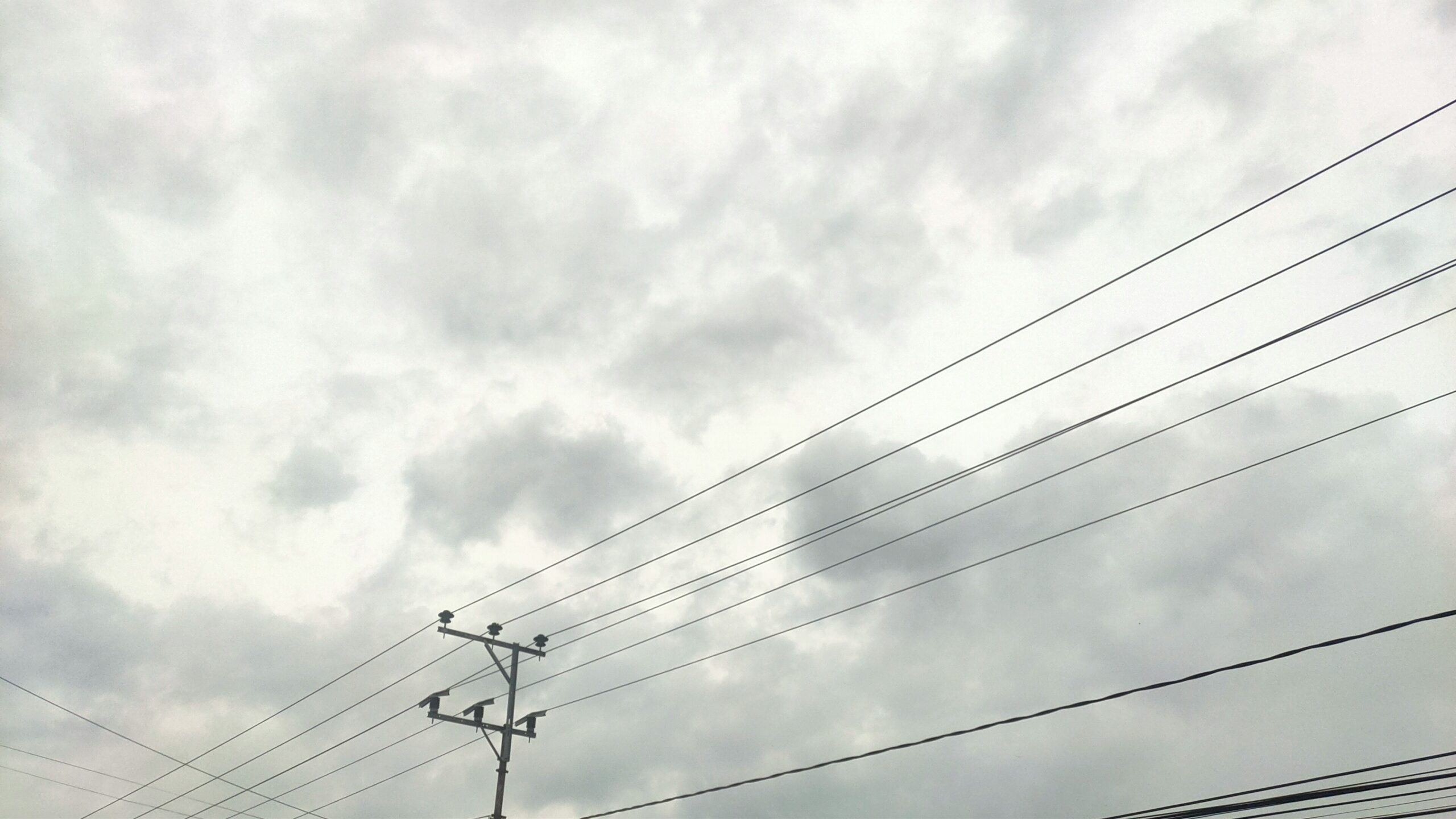
When bad weather strikes, many people notice their broadband slowing down or dropping completely. Heavy rain, thick snow, strong winds, or even extreme heat can all seem to interfere with internet connections, leaving households frustrated. While it often feels like the weather itself is directly responsible, the real picture is more complicated.
Why Does My Broadband Drop During Bad Weather?
Bad weather and a patchy internet connection often seem to go hand in hand. Whether it is heavy rain, snow, or strong winds, many people notice their broadband slowing down or cutting out just when they need it most. While the weather itself does not always directly cause these issues, certain conditions can interfere with connections or damage the infrastructure that delivers your service. Understanding how this happens can help you manage outages and keep your connection as reliable as possible.
Does Weather Really Affect Broadband?
Many people assume that rain or snow directly weakens their broadband, but the truth is a bit more complex. Weather can affect internet performance in different ways depending on the technology used. In some cases, more people staying indoors increases online demand, which slows connections. In other cases, storms or extreme temperatures can damage cables, towers, or dishes, leading to real outages.
How Different Types of Broadband Handle Bad Weather
Not all broadband connections react to the weather in the same way. The type of service you use will determine whether your signal is sensitive to conditions like rain, snow, or wind.
Satellite Connections
Satellite broadband is the most vulnerable. Heavy rain, snow, or thick clouds can block the signal between the dish and the satellite, causing short-term interruptions until the skies clear.
Cable and Fibre Connections
Cable and fibre are usually very reliable, but extreme cold can crack or snap underground lines. Fibre is especially resilient, yet it can still be disrupted if supporting equipment is damaged during a storm.
DSL Connections
DSL broadband runs over the same copper lines used for landline telephones, which are usually resilient to everyday weather. Light rain or normal seasonal changes rarely cause any disruption. However, because these copper lines are often exposed on telephone poles or buried shallowly underground, they are more vulnerable during severe weather.
Strong winds can knock down poles, heavy ice can weigh down lines, and flooding can damage underground cabling. While the service itself is stable in most conditions, any damage to this infrastructure can interrupt your connection until engineers repair or replace the affected lines.
Fixed Wireless and 5G
Wireless and mobile broadband are less affected by normal weather, but heavy storms or hail can interfere with signals to nearby towers. Many providers include backup systems that reroute data if a tower is disrupted.
Weather Conditions That Impact Connectivity
Different types of weather can influence broadband in different ways. Some issues are temporary, while others can cause longer outages if equipment or cables are damaged.
Rain and Storms
Rain does not usually affect fibre or cable directly, but it can weaken satellite or wireless signals. Thunderstorms may also create interference that disrupts connections until the storm passes.
Snow and Freezing Temperatures
Snow can build up on satellite dishes and block signals. Prolonged freezing can stiffen or break underground cables, leading to outages that require major repair work.
High Winds
Strong winds may knock dishes out of alignment or damage overhead cables. Severe storms, including hurricanes, can destroy towers and power lines, cutting off all forms of broadband until repairs are complete.
Extreme Heat
Very high temperatures can overheat home equipment like routers, leading to temporary disconnections. Heat waves can also increase wildfire risk, which may damage broadband infrastructure and cause long-term outages.
Why Your Internet Slows Down During Storms
It is not always the weather itself that causes slow internet. During bad weather, more people are indoors streaming, gaming, or working online, which increases demand on local networks. This congestion can reduce speeds for everyone in the area, making it feel like the storm is to blame.
How to Stay Connected in Bad Weather
Even though the weather is beyond your control, there are practical steps you can take to reduce disruptions. Preparing your equipment and considering backup options can make a big difference.
- Check your equipment: Place your router in a central, raised location and ensure it is kept cool in hot weather.
- Protect satellite dishes: Clear snow carefully and secure the dish against strong winds.
- Backup options: Some providers offer 4G or 5G backups that keep you online during outages.
- Power solutions: Since many outages are caused by power cuts, a generator or backup battery can keep your router running.
- Report issues: If service does not return once the weather clears, contact your provider, as damaged infrastructure may need repair.