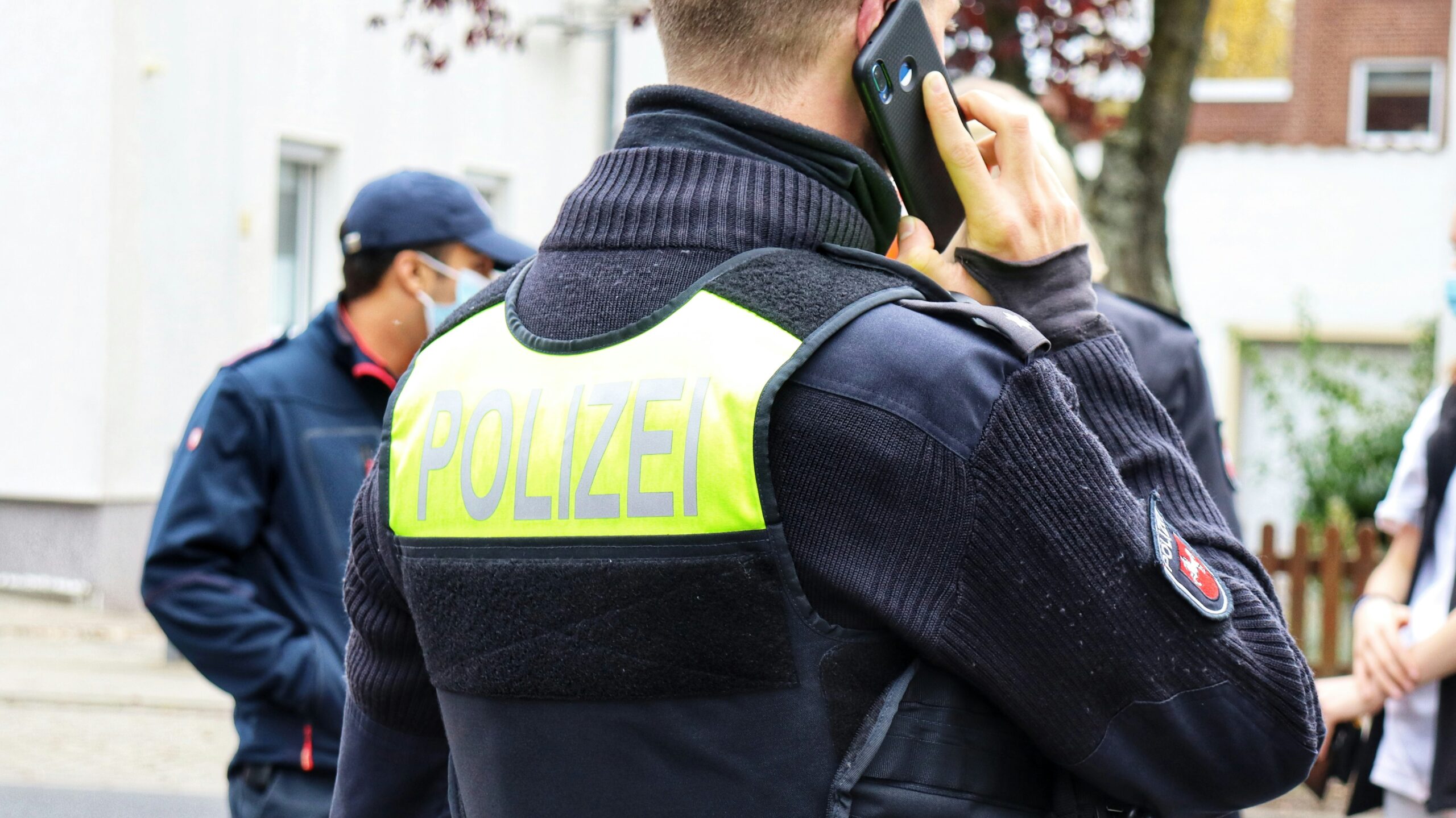
When disaster hits, being able to stay online isn’t just helpful; it’s essential. Whether it’s a storm that cuts the power, a flood that wipes out communication lines, or a fire that forces people to leave their homes, having a reliable internet connection can make all the difference. It helps emergency teams stay organized, keeps people informed, and ensures vital services continue to operate. This is where mobile broadband steps in.
Today, mobile broadband is becoming an important part of disaster preparedness. For first responders, public services, and community organizations, having fast and portable internet allows them to act quickly, stay connected, and support recovery efforts more effectively.
What Is Mobile Broadband?
Mobile broadband refers to wireless internet that connects through cellular networks using devices such as mobile hotspots, USB dongles, or SIM-enabled tablets and routers. Unlike traditional broadband, it doesn’t rely on fixed cables or infrastructure, making it highly flexible and portable. This flexibility is exactly what makes it so valuable in times of crisis.
Why Internet Access Matters During Disasters
During a natural disaster or emergency, physical infrastructure is often one of the first things to go. Power lines, fibre cables, and internet service can be disrupted or destroyed, leaving entire areas cut off. But communication is vital, especially for emergency teams, hospitals, shelters, and support organizations.
Without internet access:
- Emergency updates and alerts can’t be shared in real time
- Coordination between agencies becomes difficult
- Online access to medical records, aid forms, and crisis resources is lost
- People can’t contact family or find shelter
Mobile broadband helps solve these problems by offering a fast, reliable alternative that doesn’t depend on existing wired infrastructure.
How Mobile Broadband Supports Disaster Response
When traditional internet goes down during an emergency, mobile broadband helps fill the gap. It gives teams the tools they need to respond quickly and stay connected on the move.
Instant Connectivity Anywhere
Mobile broadband can be set up quickly, even in remote areas. As long as there’s a mobile signal, response teams can create a hotspot and get online within minutes. This makes it a perfect solution for temporary shelters, evacuation centres, mobile clinics, food distribution points, and field coordination sites. There’s no need for cables or complicated setups, just fast, reliable internet right where it’s needed.
Keeps Critical Services Online
Disaster response teams rely on digital tools such as maps, databases, intake platforms, communication systems, and cloud-based documents. Without a stable connection, these systems can fail. Mobile broadband ensures uninterrupted access to the platforms responders depend on.
Battery or Vehicle-Powered Flexibility
When the grid is down, mobile broadband devices can still operate using power banks, car chargers, or solar generators. This makes it one of the few communication tools that remains functional even when everything else goes dark.
Why Should Mobile broadband Be Part of Every Disaster Plan
Adding mobile broadband to your disaster preparedness strategy is one of the simplest, most cost-effective steps you can take.
It offers key advantages like:
- Speed: Internet in minutes, not days
- Scalability: Supports small teams or large deployments
- Portability: Works wherever your team is
- Reliability: Stays online when wired internet fails
These benefits make mobile broadband a smart and practical addition to any emergency plan, helping you stay connected when it matters most.
How to Get Started
If you’re considering mobile broadband as part of your disaster plan, here’s what you need:
- Portable mobile hotspots or routers with SIM card support.
- Data plans from reliable providers with strong coverage in your region.
- Power backups, like portable batteries or solar chargers.
- Basic training so staff know how to deploy and use the equipment.
It’s also helpful to test your setup regularly and include mobile broadband in your wider emergency response drills.
In disaster situations, internet access isn’t a luxury; it’s a necessity. Mobile broadband gives organizations the ability to respond faster, work smarter, and support communities even in the most challenging conditions.