
As almost all our communication is online these days, the internet is as essential as water and electricity to homes and businesses. With the advent of mobile broadband, you might be pondering whether this technology can fully replace traditional fixed-line connections.
What is Mobile Broadband?
Mobile broadband is an internet service that uses the same cellular network as your mobile phone to provide wireless internet access. Unlike fixed-line broadband, which requires physical connections like copper or fibre-optic cables to provide internet, mobile broadband uses 3G, 4G, or the latest 5G networks. Users typically access this service through a mobile device, a dongle, a portable modem, or a data-only SIM card.
Do I Have a Fixed-Line Connection?
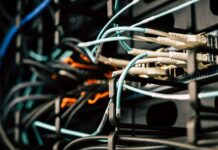
If your internet comes into your home or office via physical cables that connect directly to your building, you have a fixed-line connection. This can be through telephone lines (DSL), coaxial cables, or fibre-optic cables. Fixed-line connections are known for their stability and often higher data speeds compared to wireless technologies.
Is Mobile Broadband Faster Than Fixed-Line?
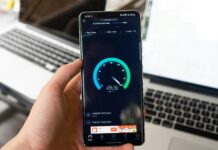
The speed of mobile broadband has seen significant improvements, particularly with the rollout of 5G technology, which promises speeds that can compete with or even surpass those of fixed-line broadband. However, the actual speed experienced by users can vary significantly depending on factors such as the user’s proximity to the nearest cell tower, the number of other users connected to the same tower, and physical interferences like buildings or bad weather.
Can Mobile Broadband Be As Reliable As Fixed-Line?
Reliability is a crucial factor in considering whether mobile broadband can replace fixed-line connections. Fixed-line broadband typically offers more stable and consistent service since it is less susceptible to interference from weather or obstructions. Mobile broadband, on the other hand, might face interruptions or reduced service quality in areas with poor signal or during times of peak usage. However, advancements in cellular technology and enhanced infrastructure are steadily improving the reliability of mobile broadband.
What Are the Costs Involved with Mobile Broadband?
Cost is a significant factor for many when choosing between mobile and fixed-line broadband. Initially, mobile broadband tended to be more expensive than fixed-line solutions, particularly regarding data caps and overage fees. However, as mobile data plans have become more competitive, and providers offer larger or even unlimited data bundles, the cost difference is narrowing. Additionally, mobile broadband does not usually require installation fees or monthly rental charges for physical lines, potentially offering a cost-saving advantage.
Is Mobile Broadband Easier to Set Up Than Fixed-Line?
One of the significant advantages of mobile broadband is its ease of setup. There’s no need for professional installation processes or waiting for service activation. If you have a mobile modem or dongle, you can start accessing the internet almost immediately. This plug-and-play flexibility makes mobile broadband particularly appealing for people who move frequently or do not want to commit to a long-term service contract.
How Does Mobile Broadband Impact Working From Home?
The rise of remote work has pushed the demand for reliable internet services. While mobile broadband offers the advantage of anywhere-access, its variability in speeds and reliability might be a concern for those whose work requires a consistently fast and stable internet connection, such as video conferencing, large file transfers, or constant online presence. However, for others whose tasks are less bandwidth-intensive, mobile broadband could suffice.
What About Data Limits?
Data limits are another crucial aspect to consider. Traditional fixed-line broadband plans often come with higher data limits or are unlimited. In contrast, mobile broadband plans typically have stricter data limits, considering the broader infrastructure usage. This factor can be a deal-breaker for users with high data needs unless they opt for more expensive plans that offer more extensive data or even unlimited data.
Can Mobile Broadband Support Smart Home Devices?
As homes become smarter, the number of connected devices increases, putting more demand on home internet systems. While mobile broadband can theoretically support smart home devices, its variability and potential data caps might limit functionality compared to a fixed-line connection. This is particularly relevant in homes with numerous devices requiring constant connectivity.
The Future of Mobile Broadband
Mobile broadband has made significant strides and, in many scenarios, can compete with or even outperform fixed-line broadband. However, whether it can replace fixed-line connections entirely depends on individual needs and circumstances. Urban users with moderate internet needs and those who value flexibility might find mobile broadband sufficient. In contrast, those in rural areas or with high-demand home internet uses might still find fixed-line connections indispensable.
As technology evolves, the gap between mobile and fixed-line broadband will likely continue to close, but for now, both have essential roles to play in keeping us connected. Choosing between them requires a careful assessment of one’s specific needs, usage patterns, and environmental factors.