
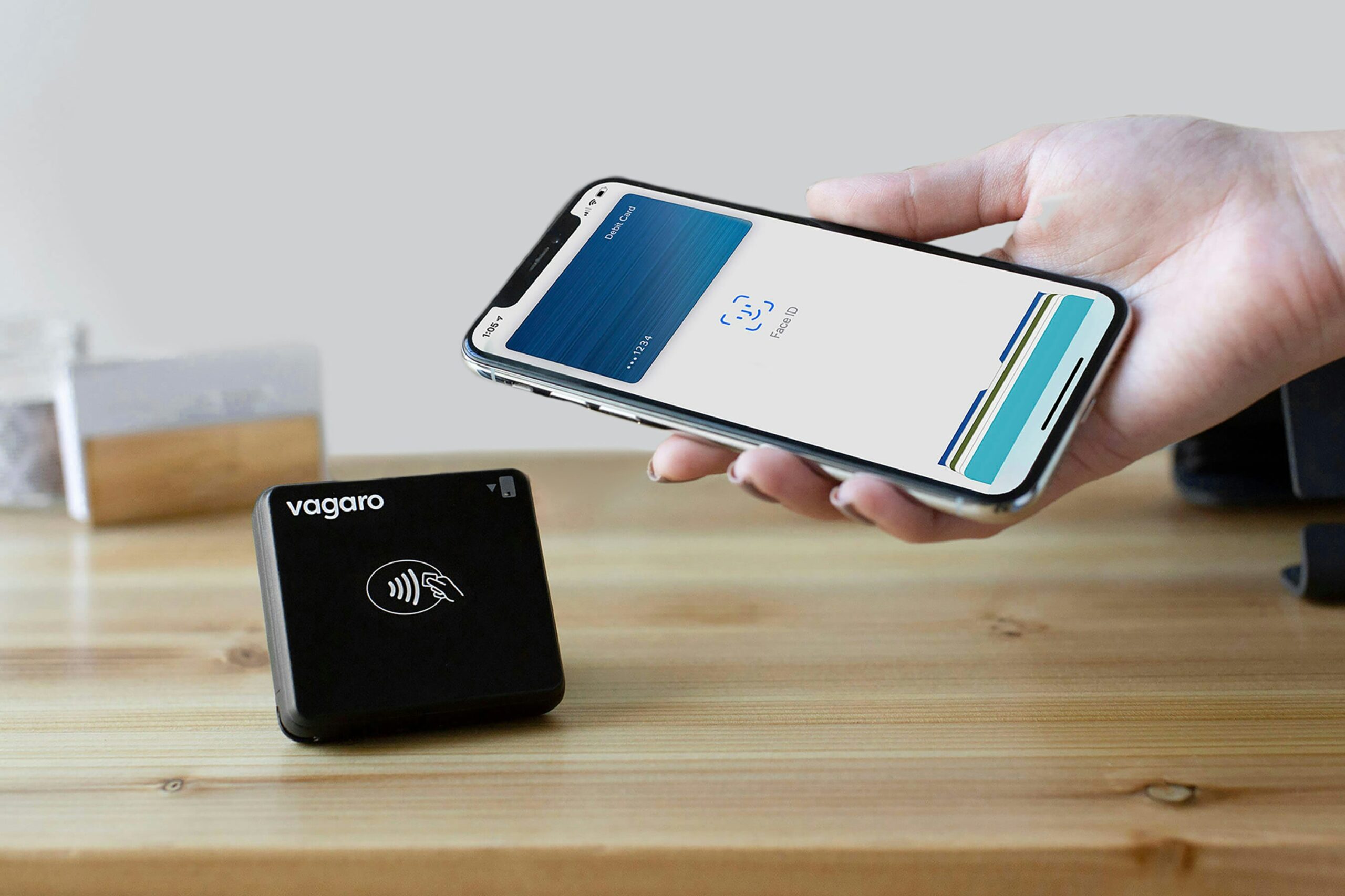
VoIP influences the future of contactless communication by enabling seamless internet-based voice and video calls, supporting remote work, and virtual meetings. Its flexibility allows individuals and employees to communicate from any location, while advanced features like AI-driven call handling and integration with digital tools enhance the overall experience.
What is the Future of VoIP Technology?
The future of VoIP industry developments will offer higher call quality and much better integration with the full suite of communication options used by businesses. Above all, they’ll be flexible since future VoIP will scale up and down and offer customised options for different parts of the organisation.
How Has VoIP Drastically Improved Voice Communications?
VoIP enables employees to make and receive calls from anywhere with an internet connection, supporting remote work and improving accessibility. This flexibility ensures that employees can stay connected while travelling, working from home, or working from different office locations.
What is VoIP Replacing?
VoIP is replacing landlines. As more and more telecommunications companies adopt VoIP, traditional landlines will become obsolete, and VoIP will completely replace them.
How Does VoIP Influence the Future of Contactless Communication?
VoIP is shaping the future of contactless communication by enabling seamless, internet-based voice and video calls that require no physical interaction with traditional phone lines.
As remote work and virtual meetings become more common, VoIP’s flexibility allows individuals and businesses to communicate from anywhere with an internet connection. Advanced features like virtual phone numbers, AI-driven call handling, and integration with collaboration tools further enhance the contactless experience.
VoIP’s ability to scale efficiently and adapt to evolving communication needs positions it as a key technology in the future of contactless, digital-first communication.
What Are the Emerging Trends in VoIP?
The latest trends in VoIP hardware include improved security, AI integration, and more. Here’s the list of the top trends to look out for:
Improved Security: With VoIP advancements in end-to-end encryption, it looks to tighten security with processes like quantum and homomorphic encryption.
AI Integration: Unified communications platforms sit within your VoIP systems, integrating your most used tools into a unified platform. This includes voice and video calling, instant messaging, and collaboration applications.
Switches to Cloud-Based VoIP: Cloud-based VoIP offers many advantages over traditional on-premises systems, including scalability, flexibility, and reduced pricing.
Focus On User Experience: A large factor in user experience has been the integration of unified communications platforms, which allow you to use different tools side-by-side.
What Are the Benefits of Using VoIP to Communicate?
Lower Cost
Instead of using telephone lines, all communication data is turned into packets and sent over the IP network. The IP network your business uses could be your Internet connection, a direct IP connection to your telephone service provider, or a combination of both.
The important part of the IP connection is that there is guaranteed quality of service from your telephone service provider’s network to your office network.
Placing calls over traditional phone lines means that a line is taken up by the two callers using it to communicate. Since there are only so many lines that can be installed, calls placed over landlines, especially if they are long-distance, are expensive.
But using the internet to relay call data circumvents this problem, making domestic and long-distance calls cheaper overall.
Service Mobility
If your business is on the go, VoIP services can be a big benefit to you because they will follow you wherever you go. With VoIP, there are no physical limitations. You have the freedom to move as your business demands without any added stress.
Versatility of Features
Using VoIP phone systems allows you to multi-task with tech-savvy devices, allowing you to be the most productive you can be.
These features and many more are available with VoIP phone systems. And because the service always goes with you, the features you find helpful can be added or subtracted with ease.
Simple Conference Calls
Since all calls use a converged data network instead of dedicated phone lines, creating and joining conference calls are made much easier. VoIP services make video conferences much easier. Of course, these sorts of conferences are usually special cases, but face-to-face interaction with colleagues and clients, while business personnel are out of the office, is much more manageable with VoIP phone systems.
Reliability
A common worry that surfaces about VoIP is the fact that if the internet stops working, so does the ability to make calls. This doesn’t have to occur under the right circumstances. The truth is that call-forwarding, like other features in VoIP phone systems, is incredibly flexible.
The capability to choose where your calls are forwarded, and how, means that you also don’t have to lose productivity because of local power outages or weather-related events. If the office phone can’t be answered, your mobile device or laptop can.