
Voice over Internet Protocol (VoIP) has been at the centre of the change in how businesses communicate. For startups and remote teams, Internet-based calling has now become the day-to-day norm. It’s easy to see why, given its flexibility and smart features despite being a fraction of the price of traditional phone systems.
But as with any technology, VoIP comes with its own set of risks. There are every day threats from fraudulent calls and caller impersonations to account takeovers. They aren’t just potential “what ifs” – they are already happening.
And it’s costing businesses millions every year. In sensitive industries like healthcare and finance, it’s easy to guess and steal passwords or overhear the answers to security questions.
Could voice biometrics step in to mitigate these risks?
What Is Voice Biometrics?
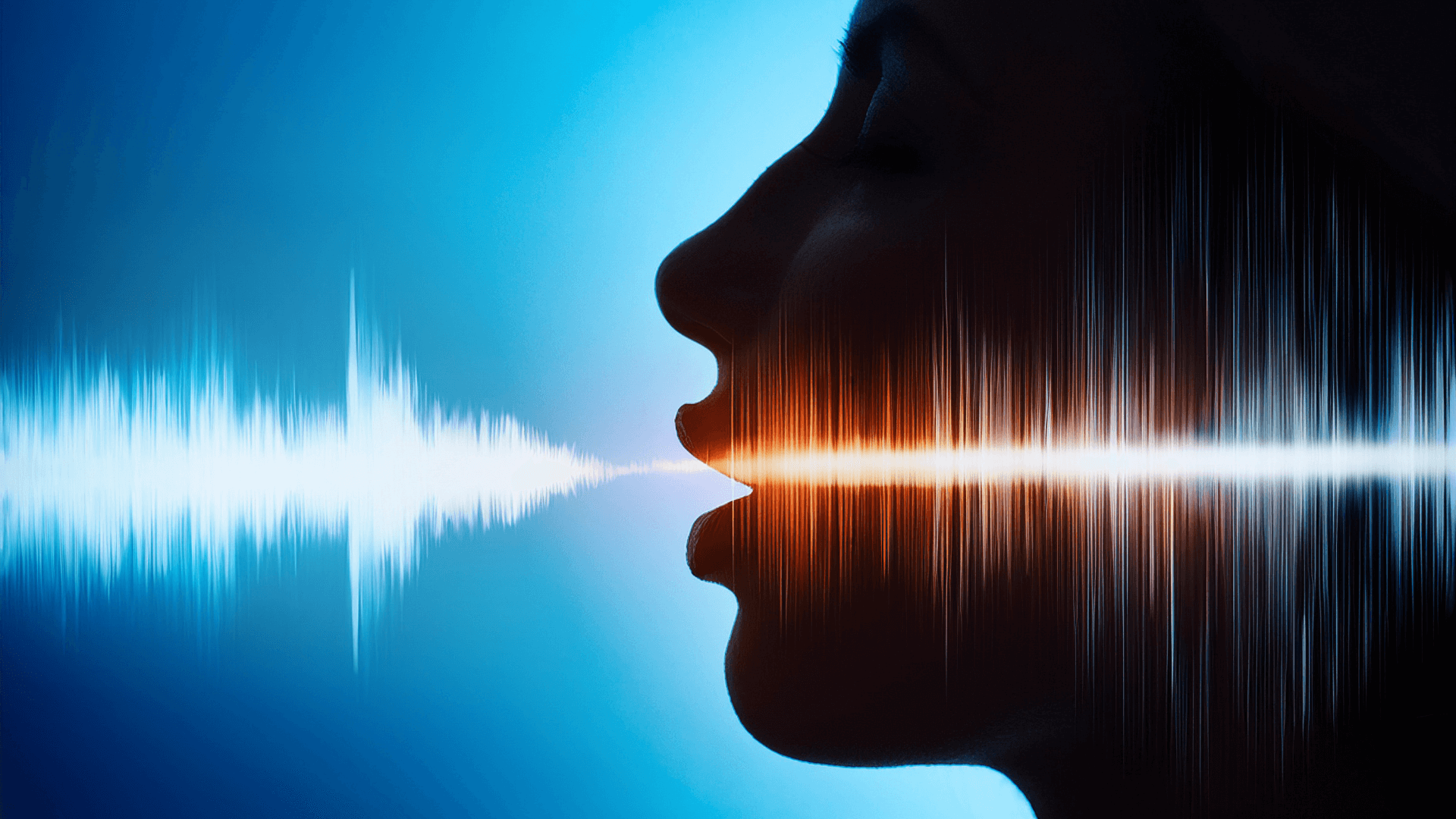
Voice biometrics is a form of biometric authentication in which a person’s voice is used as a secure identifier. Similarly to facial recognition or fingerprints, peoples’ voices have unique biological traits that differentiate them from others. Simply put, it’s a pretty strong way of identifying who you are.
This is because a person’s voice is influenced by a whole range of physical and behavioural factors, including the size and shape of their vocal tract, breathing patterns as well as subtle speech rhythms and their own pronunciation habits.
These characteristics form a totally unique voiceprint, helping VoIP systems to verify a caller’s identity almost immediately. Sometimes, the caller doesn’t even realise the authentication is happening.
Are Traditional VoIP Security Methods No Longer Enough?
A lot of VoIP systems still rely on knowledge-based security which means using methods most people will be familiar with – PIN numbers, security questions or one-time passcodes.
The problem is that these methods are becoming more vulnerable as cyber criminals become smarter. It’s easy for passwords to be leaked, or to find information online to answer security questions. Even one-time pins can be intercepted through phishing.
So instead of asking callers what they know, voice biometrics verifies who they actually are, turning the entire security model of VoIP on its head.
How Does It Work In VoIP Calls?
As VoIP usage becomes more common, phone-based fraud is becoming more sophisticated by the day. And since it’s incredibly difficult – or nearly impossible – to fake someone’s voice, voice biometrics has become one of the best security tools for VoIP systems.
Voice Enrolment
In order for voice biometrics to be used as a security method, there needs to be a voiceprint to match a speaker to.
In the enrolment phase, a user will speak naturally for a short period of time, usually in an ordinary conversation. An accurate voiceprint is built during this time, often in 20-30 seconds.
Voice Analysis
When a VoIP call takes place, the system analyses the speaker’s voice in real time. This means monitoring hundreds of micro-features in that person’s speech which a human ear can’t consciously pick up on its own.
It doesn’t matter what the person is actually saying – the focus is entirely on how the words are said.
Matching And Verification
It takes a few moments for the voice sample to be compared against the stored voiceprint. A strong match means the caller is authenticated almost straight away.
If the authentication doesn’t happen, the caller will either have to follow additional security steps or the system will flag the call as high risk.
Voice Biometrics vs AI Voice Spoofing
Understandably, businesses worry about whether or not voice biometrics can be fooled given the rise of AI-generated voices. But it’s important to remember that modern systems are designed to handle cases of deepfake audio.
The advanced voice biometric systems have built-in anti-spoofing technology which analyse the subtle characteristics of human speech, something that AI struggles to replicate. This includes things like natural breathing patterns and micro-variations in pitch.
No security system is ever 100% foolproof, yes, but voice biometrics continues to be one of the more resilient options.
Why Should You Consider Using Voice Biometrics For VoIP?
Voice biometrics will likely become the standard security feature of VoIP systems, especially as they continue to evolve themselves. It’s already being integrated with AI-driven analytics and real-time fraud detection, making it one of the safest options out there.
Faster authentication: Identity checks and security questions are time-consuming but voice biometrics can confirm your identity while you have a natural conversation.
Better customer experience: It feels almost effortless from the caller’s perspective. As the caller, you don’t have to remember information or type anything in, you just need to speak.
Stronger fraud prevention: Voice biometrics makes it that much harder for criminals to impersonate users. They may be able to acquire the right answers for traditional security methods, but they can’t get the same voiceprint.