
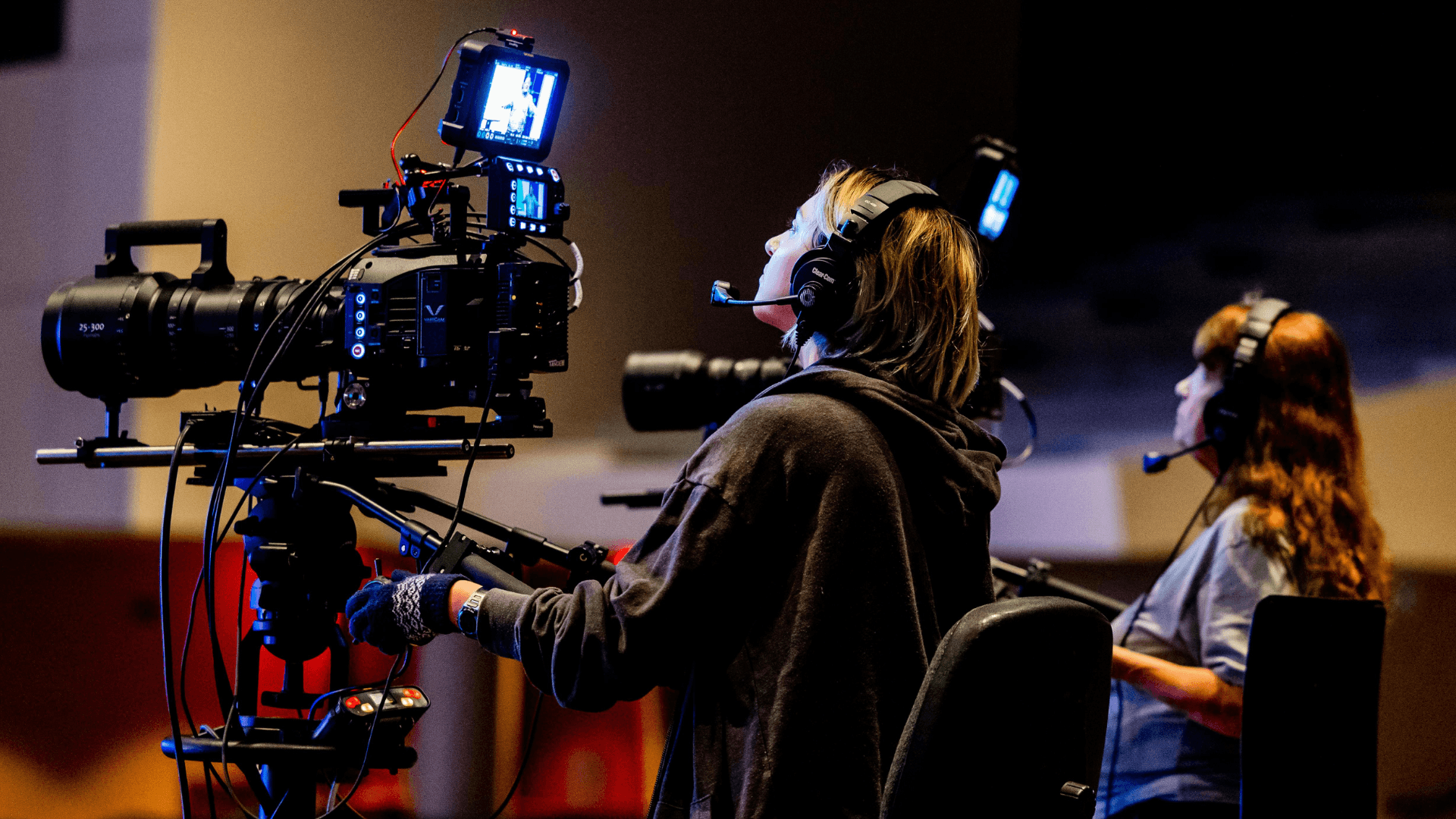
Have you ever stopped to wonder how a film comes together? It’s certainly not a solo undertaking. You’ve got a director shooting on location, an editor in a building, a composer scoring from a home studio and a production office trying to keep the whole thing moving.
Filmmaking has always been a team effort but these days, that team is rarely in the same building, let alone the same city. For that reason, more studios are rethinking the most simple yet important thing: how they talk to each other. And more often than not, that answer is VoIP.
Filmmaking Was Never A Solo Sport
Even in the days of big studio backlots, a production pulled together dozens of specialists who needed to constantly be in touch with each other. All that’s changed now is where all those people sit.
In the last couple of years, post-production has gone global and it’s completely normal for the team to be scattered over countries and time zones.
But all of that hinges on communication that works. Something that slips through the cracks can end up costing a full day of work and in an industry like this where every day on the calendar has a price tag, it adds up pretty quickly.
Traditional phone lines were never built for this kind of sprawling, fast-moving collaboration. VoIP, on the other hand, was.
Put simply, Voice over Internet Protocol (VoIP) is a type of technology that makes voice and video calls over the Internet, not copper wiring. This makes it cheaper, flexible and far more powerful.
Why Are Film And Media Studios Turning To VoIP?
So, what exactly is pulling film and media studios in the direction of VoIP? It essentially comes down to the cost of connecting a global crew, the flexibility for project-based work and having every kind of communication in one place.
Nobody Wants Those Long-Distance Phone Bills
It makes sense to start with the thing that every producer notices first: cost. International productions used to rack up eye-watering phone bills because calls between offices were billed by the minute. And those minutes add up quite quickly.
But because VoIP sends voice data over the Internet, a call to a colleague on the other side of the world will cost you roughly the same as a call to someone down the road. This alone can free up a massive amount of budget for a global crew.
Everything Happens In One Place
Today, VoIP platforms aren’t just about voice calls. Most come with video conferencing, instant messaging, screen sharing and other features that make you feel like you’re all in the same room.
For creative teams who are constantly jumping between texts and emails and the “can you send me that file” moments, having it all together in one place is a serious relief that can prevent plenty of headaches.
It’s A Phone System That Moves With The Project
Film and media work is project-based to its core. Once a production is complete, it runs hot for a couple of months and then wraps up. The next one might look completely different with a new team in other places.
Traditional phone systems weren’t designed for that kind of rhythm. There’s no point in signing a long-term contract with fixed lines for a production office that won’t exist a couple months down the line.
With VoIP, you can add as many numbers and users as you need throughout the project and scale right back down again once it’s over – without paying out any more money.
Your Studio Goes Where You Do
Film crews are, by nature, always on the move. On set, on location, travelling between the two or working from home. A landline is only any use if you’re sitting next to it so for this kind of industry, it just doesn’t work.
Because VoIP lives on the Internet, your number travels with you regardless of where you are. The flexibility is great in general but for an industry that never stays still, it’s rather essential.
It Keeps The Conversation Under Wraps
Film and media studios often have more to protect than most. Plot details, unreleased footage, release dates and casting decisions are the type of information leaks that make huge headlines. So naturally, any tool that a studio uses – especially for communication – needs to be trustworthy.
Fortunately, VoIP providers (the reputable ones) take security quite seriously. Their plans come with encryption and secure connections designed to keep conversations private, often bundled in with Virtual Private Networks (VPNs) as well.