
Staying connected no longer requires fixed cables and complex installations. Mobile broadband has transformed internet access, offering a flexible and portable solution that keeps you online wherever you go.
Whether working remotely, traveling, or setting up a temporary office, mobile broadband delivers reliable connectivity without being tied to a single location. With advancements in 4G and 5G networks, it can now provide speeds comparable to traditional home broadband, making it a powerful alternative for both individuals and businesses.
What Is Mobile Broadband?
Mobile broadband is almost the same as the broadband you might have in your home. The primary difference is that instead of using fixed wires, mobile broadband transmits data through 4G or 5G mobile networks. Other devices can connect to this network that is created from these mobile signals.
How Does Mobile Broadband Work?
The same signal that powers mobile phones is also used by mobile broadband to provide Internet access. To connect to the internet, you don’t require a fixed line. Anywhere there is a mobile signal, you can access the internet using mobile broadband.
What Is the Main Advantage Of Mobile Broadband?
Portability is the main advantage of mobile broadband. It allows you to access the internet from anywhere as long as you have a cellular signal. This makes it ideal for people who need to stay connected while on the move or in areas where fixed-line internet is unavailable.
Can Mobile Broadband Be Used as Wi-Fi?
Mobile broadband can be used as Wi-Fi, making it a flexible and convenient internet solution. Unlike traditional home broadband, which relies on fixed cables like fibre, mobile broadband connects to the internet using mobile networks, like 4G and 5G. This means you can access high-speed internet anywhere with network coverage, whether at home, in the office, or on the go.
With a mobile broadband router or a portable Wi-Fi hotspot, multiple devices can connect simultaneously, just like a traditional Wi-Fi network. This makes it a great option for businesses, remote workers, and households in areas with limited fixed-line broadband options.
What Do You Need to Use Mobile Broadband As Wi-Fi?
You don’t necessarily need any special equipment to use mobile broadband as Wi-Fi. You may need to select slightly different hardware to get the most out of it, though, depending on the devices you have and the number of users sharing the connection.
- USB dongles: USB dongles will work if it’s only going to be used by one person at a time and you only ever want to connect a laptop or desktop computer running.
- Wi-Fi dongles: These are also known as pocket Wi-Fi or ‘MiFi’, and they provide mobile network connectivity over a Wi-Fi signal. That means they’ll work with anything that supports Wi-Fi, including tablets and smartphones.
- Tethering: You can also use a smartphone or tablet with a SIM card as a Wi-Fi dongle by tethering over Wi-Fi. Most modern smartphones will support tethering and can be used as personal hotspots.
- 4G/5G routers: If you’re considering mobile broadband as a long-term solution, you should get a 4G or 5G home broadband package.
What Are the Advantages Of Using Mobile Broadband As Wi-Fi?
Using mobile broadband as Wi-Fi, whether at home or on the go, can provide you with different advantages. Here are the advantages of using mobile broadband as Wi-Fi:
Mobile Broadband Can Be Faster Than Home Broadband
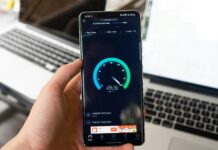
Mobile broadband can have quicker download speeds than standard home broadband. In some cases, it reaches internet speeds close to those of fibre broadband.
Mobile Broadband Doesn’t Need a Fixed Line
One of the main advantages of any mobile or wireless broadband service is the ability to access it without a phone line. It makes no difference if there isn’t a suitable fixed-line package available where you stay as long as you have mobile broadband. It will eliminate the need for installation work that requires approval. It’s also a smart option if you’re looking for a fast internet fix in your rental property.
Mobile Broadband Is Portable
Mobile Wi-Fi, as opposed to traditional broadband, allows you to access the Internet from anywhere. Assuming, of course, that you can receive a signal. This means that you could work from anywhere and watch Netflix while on the go.
Mobile Broadband Has Flexible Contracts
The majority of home broadband plans have contracts of 12, 18, or 24 months, and there aren’t many options for “no contract” or short-term plans.
However, mobile broadband plans typically provide greater flexibility. Similar to your typical mobile contract, you can select from rolling monthly plans and pay-as-you-go options in addition to long-term commitments.