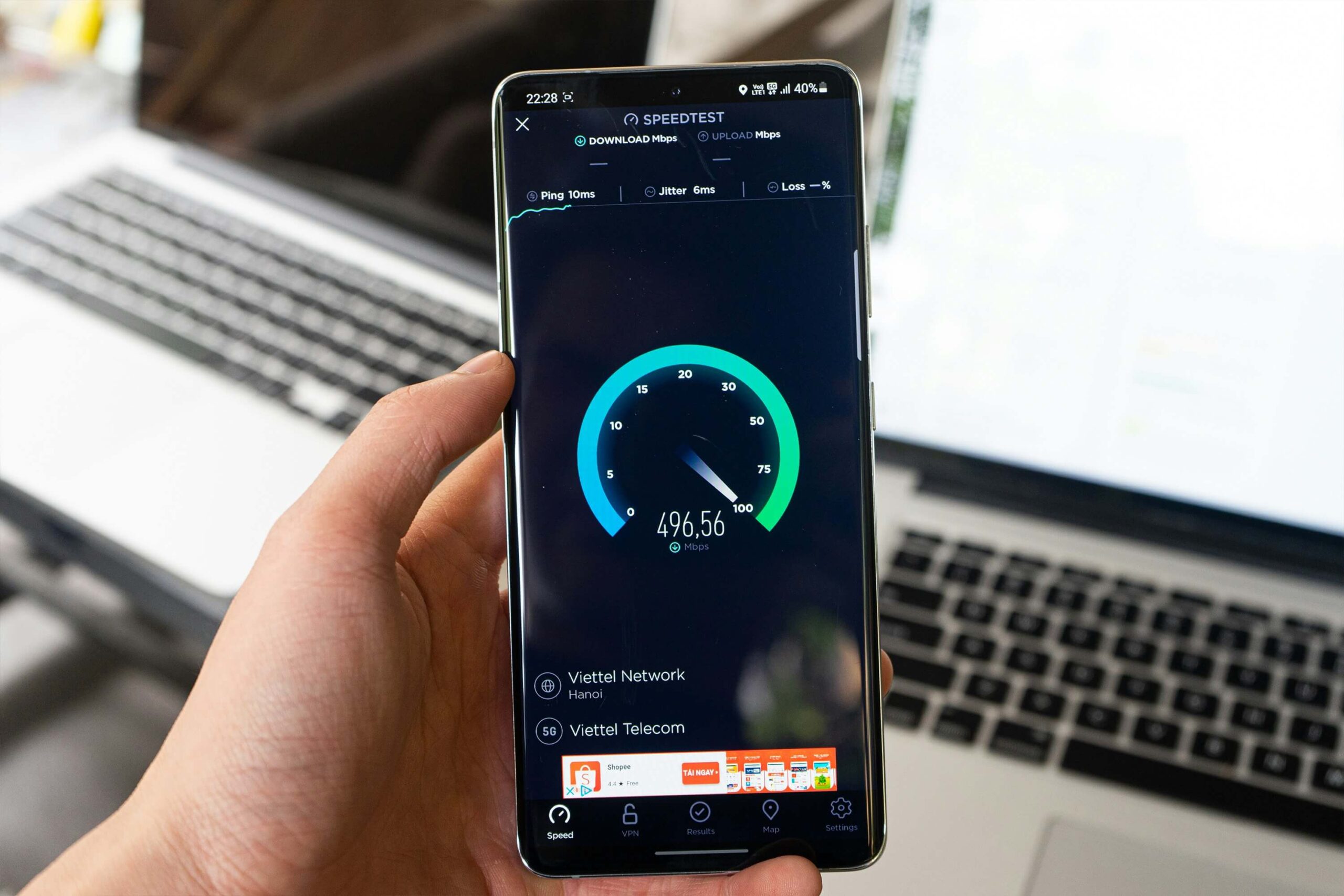
In today’s digital era, having a strong and fast internet connection is a necessity. Choosing the right internet service can be overwhelming for a small business in Manchester, a large firm in London, or personal use at home. Two of the most popular options are 5G and broadband. Both have their advantages and disadvantages, but understanding the differences between them can help you determine which one best suits your needs.
What Is 5G?
5G is the fifth-generation mobile network. This new generation of wireless technology is improving its predecessor, 4G. 5G was designed to deliver ultra-fast speeds, reduce latency, and provide more reliable connectivity. It also allows for greater capacity, meaning more small devices can connect simultaneously in the same space.
Benefits Of 5G?
5G offers numerous advantages compared to previous-generation technologies, including:
- Faster speeds – 5G typically delivers speeds of 150–200 Mbps, with the potential to reach 10 Gbps. This significantly improves download times for large files.
- Lower latency – This is particularly beneficial for gamers and businesses that rely on video conferencing.
- Improved connectivity – 5G provides a more reliable service with less congestion and fewer dropped connections.
- Easy installation – As a wireless technology, 5G eliminates the need for complex cabling. Simply insert a SIM card into a compatible router to access the internet.
Drawbacks Of 5G?
Despite its advantages, 5G does have some limitations:
- Limited coverage – As a wireless mobile network reliant on cell towers, connectivity may be inconsistent, particularly in certain locations.
- Restricted availability in rural areas – Many parts of the UK, especially rural regions, still lack 5G coverage.
- Higher costs – 5G plans can be more expensive compared to traditional broadband.
What Is Broadband?
Broadband is the most widely used internet option, available in different forms such as standard broadband (via copper wires) and fibre broadband (via fibre-optic cables). These physical connections deliver high-speed, stable internet directly to homes and businesses.
Benefits Of Broadband?
Broadband has several key advantages:
- More reliable connection – Unlike wireless networks, broadband is less affected by external factors like weather conditions.
- Fast speeds – Fibre broadband can reach speeds of 1 Gbps or more.
- Greater bandwidth – This allows multiple devices to connect and perform data-intensive tasks without significant slowdowns.
- Lower latency – This results in better response times for online activities such as gaming and video streaming.
Drawbacks Of Broadband?
Despite its reliability, broadband does have some downsides:
- Costly installation – Laying cables and setting up broadband infrastructure can be expensive.
- Lack of mobility – Broadband connections are fixed, meaning you cannot take them with you when travelling.
- Coverage limitations – While broadband is widely available in urban areas, some remote locations may still lack access to high-speed fibre.
What Are The Differences: 5G vs. Broadband?
Several significant differences can help you understand which option is best for you:
Type
5G is a wireless technology while broadband relies on cables.
Speed
5G has the best speed in theory, however broadband options such as fibre optics offer better speeds than 5G. 5G can reach speeds of 10Gbps, however, fibre optics can reach speeds of 1Pbps.
Cost
Broadband options such as fibre are very costly to install whereas 5G is not that costly to install. However, it is known that broadband offers better value for money over time, while 5G has a higher operational cost.
Coverage
In terms of coverage broadband is the winner. 5G is the best in cities but can deliver very patchy service in rural and countrysides.
Security
5G offers the best security as it has end-to-end encryption while fibre broadband has little to no encryption.
Response Time
Broadband offers much better response times than 5G.
Installation
5G is a wireless technology and it is as easy as putting a SIM card into a router. Broadband works through copper or fibre optic cables making the installation much more expensive and complex.
Which Is Better 5G Or Broadband?
The best choice depends entirely on your individual needs:
- For gamers – 5G’s low latency is appealing, but broadband still provides the most stable connection for competitive gaming.
- For people who move frequently – 5G is ideal, as it doesn’t require a fixed installation.
- For those who prioritise reliability – Broadband, especially fibre, is the better choice due to its consistent performance and wider coverage.
- For remote workers and homeowners – Broadband offers stability, high speeds, and better long-term value.
At present, broadband remains the preferred choice for most homes and businesses due to its reliability, coverage, and cost-effectiveness. However, 5G is rapidly advancing and may become a stronger competitor in the future.
The best way to decide is to assess your internet needs and check the availability of 5G and broadband in your area. This will help you determine which option best suits your lifestyle and requirements.