
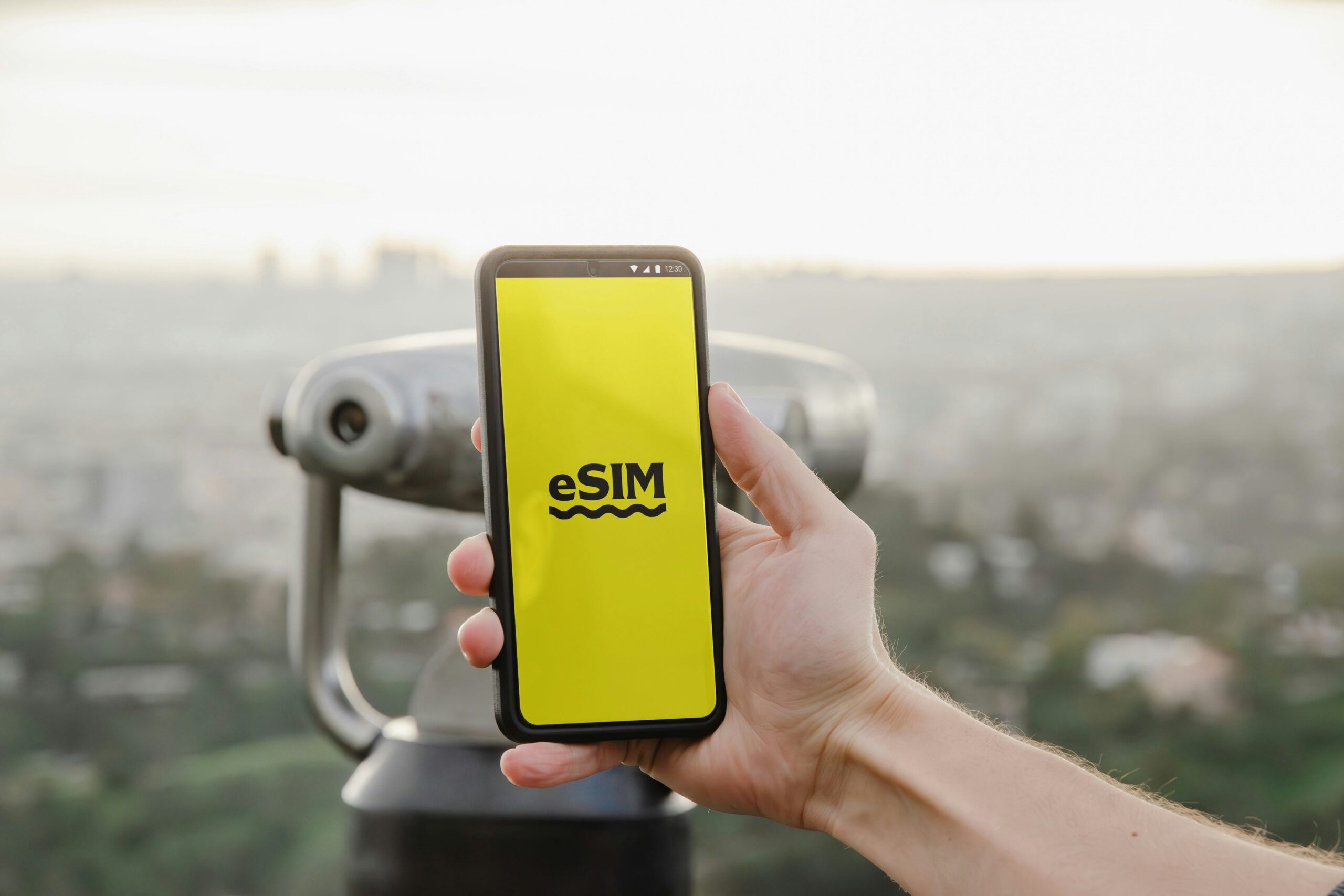
eSIMs are embedded SIMs and are being integrated into smartphones, tablets and wearables, replacing traditional SIM cards. They are particularly useful for international travel, dual-number setups and for convenience and flexibility since they enable remote activation. Like any digital technology, eSIMs have cybersecurity risks.
Follow these tips below to keep your eSIM safe from digital threats.
What is The Difference Between an eSIM and a Regular SIM Card?
An eSIM functions just like a traditional SIM card and they allow users to connect to mobile networks. The main difference is that eSIMs are embedded into the devices and are reprogrammable, meaning they can be activated without the need for physical cards to be inserted.
Is an eSIM More Secure Than a Physical SIM?
eSIMs eliminate the risks of physical theft and SIM swapping. However, eSIMs are just as vulnerable to remote attacks, which include social engineering, phishing and unauthorised access to your carrier account.
Ensure Robust Security For Your Account With The Mobile Provider
Hackers can easily compromise eSIMs by accessing your carrier account and swapping your number to another device. To prevent this from happening:
- Create a distinct password on your mobile account that is strong.
- Activate two-factor authentication (2FA) wherever it is available.
- Stay away from easily guessable passwords like birthdays or your pet’s names.
- Use different passwords for different services.
How Do Cybercriminals Access My eSIM?
Through phishing emails, fraudulent carrier texts, or through compromised mobile applications, cybercriminals can easily trick you to log in and provide an authentication code. With the ability to reassign your number to a new eSIM profile, they can intercept calls, texts and even bank messages.
Do Not Manage Your eSIM Over Public Wi-Fi
While activating or changing eSIM profiles, ensure that you are not connected to public Wi-Fi as this can facilitate the interception of your credentials. Always make use of mobile data or a private Wi-Fi connection when accessing your mobile carrier’s site, app or making sensitive account adjustments.
Should I Be Worried About SIM Swapping With eSIMs?
SIM swapping remains a potential threat even with eSIMs. Gaining access to your calls and texts is possible if someone tricks your carrier to transfer your number to their device. The digital nature of eSIMs makes such swaps easier and quicker to execute, making detection extremely difficult unless you’ve deployed robust countermeasures.
Can a VPN Help Protect My eSIM?
Your eSIM is not personally protected by a VPN, but if you are on a public network, a VPN makes it difficult for cyber attackers to access your credentials or receive messages by scrambling your internet traffic. Additionally, it is useful when travelling overseas.
Use Mobile Device Management For Work eSIMs
With corporate devices, it is recommended that the company’s IT department enforce corporate Mobile Device Management (MDM) policies. This gives IT the ability to encrypt the device’s data, enforce remote wipes and disable unauthorised changes to the eSIM profile, protecting the device from breaches or data leaks.
What Would I Lose If My eSIM Gets Hacked?
In cases of eSIM hacking or cloning, there is a possibility that you may lose access to your digitised services or you might start noticing some odd behaviours such as no signal, receiving unexpected texts or even receiving alerts for logins. As a precautionary measure, you should always reach to your mobile carrier immediately to revoke access, lock the account and issue a replace a new eSIM profile.
Risks My eSIM Account is Under
Prevention is much better than dealing with the consequences. Prevention includes checking your account with your mobile provider for any unusual account activity such as password changes or logins and if changes can be made to the account, setting alerts as texts or emails.