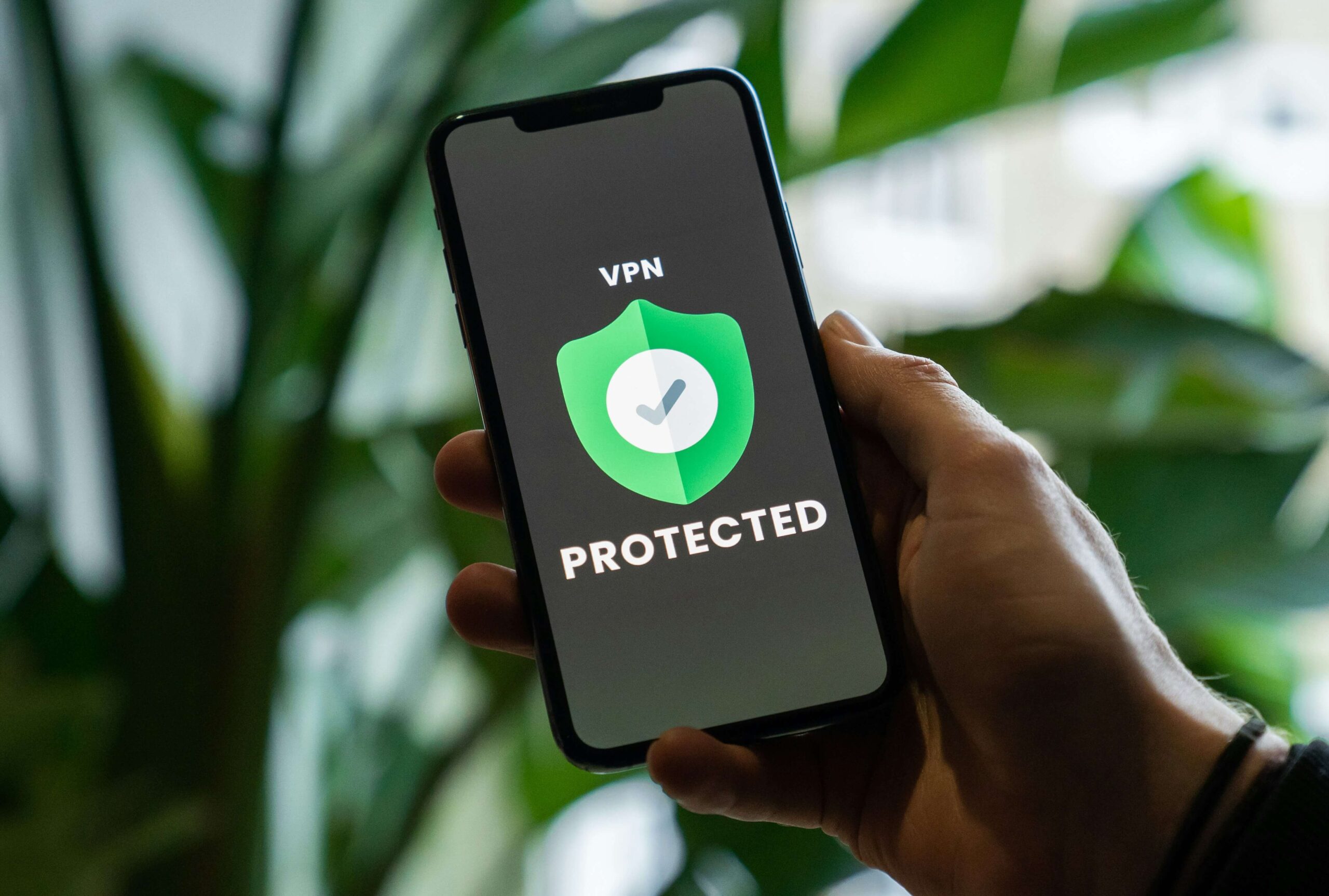
A Virtual Private Network (VPN) provides privacy and security through encryption while you connect to the Internet. This, in turn, hides and protects your IP address and sensitive data. Many users associate VPN usage with public Wi-Fi and corporate networks. However, a growing number of people use VPNs at home, whether it is to work, to safeguard their privacy, or for streaming purposes. But is it overly critical?
Is a VPN Necessary for Home Internet?
VPNs are often not critical for the majority of home users, although people who deal with sensitive and confidential data, work from home or want to safeguard their digital footprint would derive benefits from using one. VPNs can also expand global content accessibility while preventing ISP surveillance.
What Are the Benefits of Using a VPN at Home?
There are a number of benefits of using a VPN at home, whether it is for obscuring your browsing patterns and location or preventing sites to collect your data. A VPN hides your IP address and encrypts internet traffic. This means that your ISP collects no data, personal information and even advertisers or hackers cannot track your online activity.
Improved Security On Public and Private Networks
With home Wi-Fi, the chances of having your network intruded or malware infected are high, plus if your network is poorly secured. VPNs are essential to encrypt data. Without VPNs it is easier for cybercriminals to intercept passwords, credit cards and other sensitive information.
Unlocking Restricted Geo Content
With VPNs, you are able to connect to other servers from different countries, which means you are able to bypass geo-blocks. This also comes in handy when you want to stream movies and shows, read certain news articles or use a certain service that is not available in your area.
Better Online Shopping Experiences
Some stores might price discriminate based on your geographic information. A VPN has the ability to change your location, which could provide you with some savings on airline tickets, hotel reservations or software subscriptions.
Tracking and Targeted Ads
VPNs help reduce digital fingerprinting, which makes it difficult for advertisement companies to track your movements on the internet. There will be fewer intrusive ads, and you will have better control on your digital identity
Is It Safe to Use Home Wi-Fi Without a VPN?
For securing Wi-Fi networks at home, WPA3 encryption offers a reasonable level of protection, especially if the network is password-protected. Nonetheless, even with this protection, a VPN is still necessary if you want to keep your growing history completely discreet.
Do VPNs Help When Working from Home?
For remote workers, VPNs are essential since they encrypt communications to safeguard sensitive business information. Also, many companies provide remote users access to internal systems and shared networks using a VPN due to security concerns.
Can a VPN Improve Streaming at Home?
VPNs allow users to access geo-restricted content, such as UK users accessing US Netflix. Some VPNs even have dedicated servers for high-quality video streaming. On the other hand, free VPNs or those with low-quality networks are bound to have sluggish connections.
Will a VPN Make My Internet Slower?
VPNs can sometimes slow down the internet because data encryption and routing through a secondary server can reduce internet speed. On the other hand, a fast connection and reliable provider can minimise the VPN speed drop to the point that it is unnoticeable during everyday tasks such as streaming or browsing.
Does Every British ISP Permit VPNs?
VPN usage is supported without issues from most UK internet service providers, including BT, Sky, Virgin Media, and TalkTalk. Additionally, VPNs help hide ISP throttling on certain services by jumbling the type of data being handled.
Are Free VPNs Safe To Use?
Using a Free VPNs usually results in slower speeds, less server options, data usage restrictions and poor privacy features. For most VPN users, especially those seeking privacy or wanting to stream, paid options offer far more reliable service and enhanced protection.
Can a VPN Protect Me from Malware or Phishing?
VPNs do not offer the capability to protect against phish or malware attacks even though they encrypt data and help to maintain privacy. However, VPNs paired with powerful antivirus software work best to restrict malware attacks and phishing.
How to Choose a Good VPN for Home Use
Look for the following when considering VPNs for your household:
- Addressable customer support.
- Compliant no–logs policies.
- Friendly and fast connection speeds.
- User friendly apps for all devices.
- Domestic and international servers.
- VPNs with kill switch and DNS leak protection features.