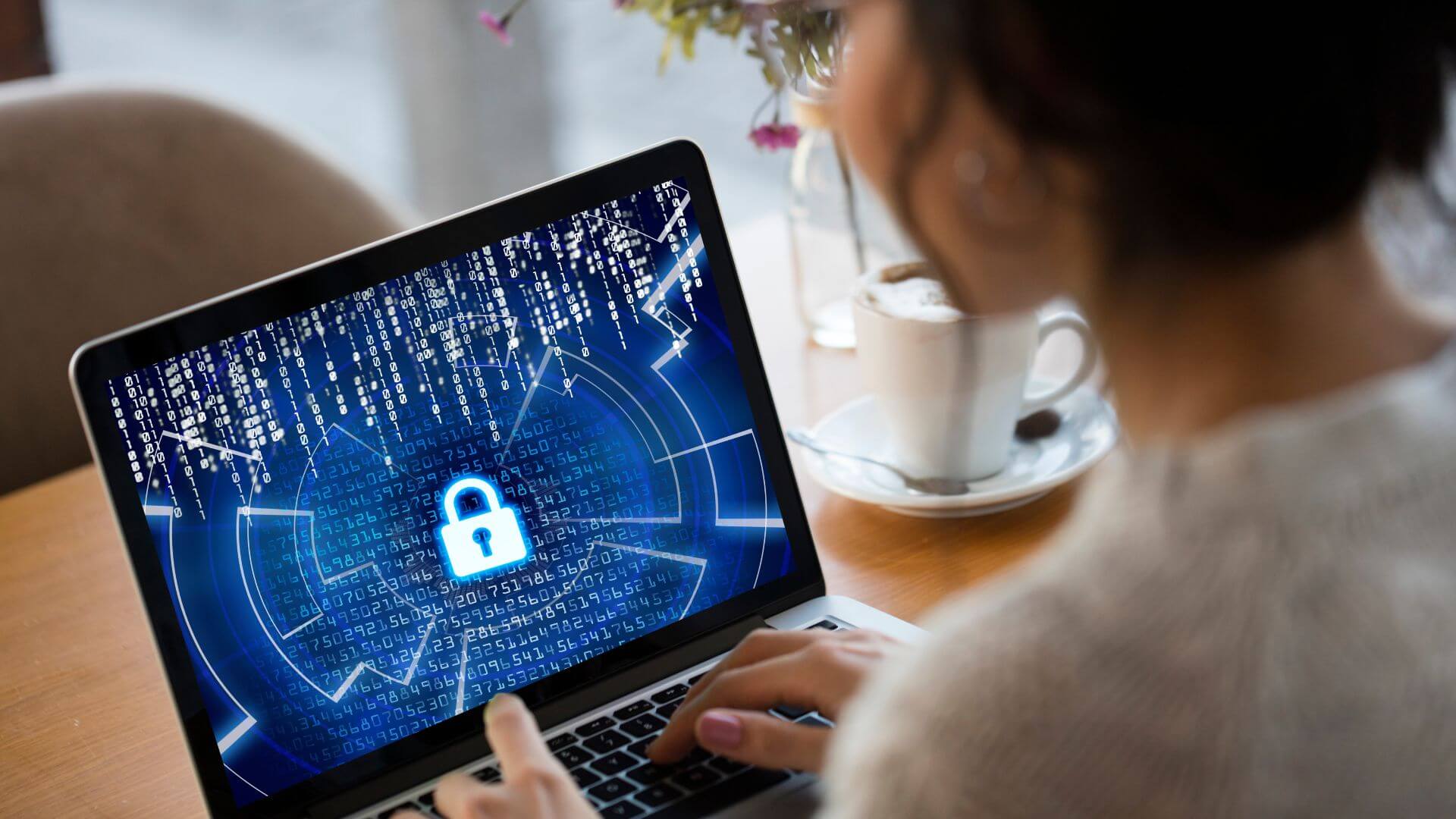
Everyone uses the Internet, whether it’s for business or personal reasons. As with most public platforms, there are always associated privacy and security risks. For the use of broadband, these risks can range from malware viruses to phishing scams.
For organisations who have sensitive business information, it’s vital to be aware of the potential cybersecurity risks, and how to mitigate them. Once you know the signs to look out for, you can identify potential issues before they escalate.
What Is Cybersecurity?
Cybersecurity is the practice of protecting all digital data from malicious attacks, theft or unauthorised access. Cyberattacks typically aim to find sensitive information in exchange for ransom, interrupt normal business operations and can be detrimental to a business or individual’s privacy.
A broadband connection is usually always-on and is used to transfer a large amount of information and data. While this is great for businesses who need the high-speed Internet, it’s also an attractive option for cybercriminals.
Cybersecurity Risks To Be Aware Of
There are a few common cybersecurity risks that you should be aware of, from malicious viruses to unsecured Wi-Fi networks.
Malware And Viruses
Cybercriminals use malware software to gain entry into your computer. Once they have access, they install viruses that can damage or entirely delete files. Spyware and ransomware is extremely concerning for businesses. Hackers will have business data sent back to them that they can monitor while ransomware locks files from use until you pay to recover them.
Phishing Attacks
Phishing is a form of cyberattack that uses deceptive communication such as e-mails, text messages or phone calls. The goal is to trick the victim into downloading malware or share sensitive information. Hackers will pretend to be someone that the victim knows, or another employee within the organisation, to encourage the victim to open an infected link, attachment or make a payment.
Unsecured Wi-Fi Networks
If your Broadband connection is not properly secured, it becomes vulnerable to hackers who do not have authorised access. Hackers are able to intercept data as it is transferred over the connection and gain access to it. In addition to this, they can use your bandwidth to conduct illegal activities and you will be flagged for it.
DDoS Attacks
A distributed denial-of-service (DDoS) attack is used to interfere with a Broadband user’s normal Internet traffic. As a result, computer systems are compromised. These attacks are executed by networks of malware-infected systems and can be controlled by the hacker. One way to identify if this could be happening to you is if a site or service becomes very slow in speed or entirely unavailable.
Reducing Your Cybersecurity Risk
Cybercriminals are professionals at what they do, and it can be easy to fall victim to one of these cyber attacks. However, there are a few mitigation strategies that you can have in place to decrease your risk of attack.
Encrypt Your Data
Unlike normal-text data, encrypted data is harder for hackers to access. Also, having encrypted data ensures that unauthorised users can’t see the information even if they do gain access. You should have data-encryption software on your devices, these will also alert you if a third-party is trying to access your files.
Regularly Update Software
New system updates usually include bug fixes for security issues that could have made systems vulnerable to attack. If you regularly update your software, your systems will be up-to-date with the latest security features to avoid potential data breaches.
Use Strong Passwords
According to UpGuard, more than 80% of data breaches within companies occurred because of passwords that were not strong enough and easy for criminals to hack into. Ideally, your passwords should be unique, not contain any personal information or have correctly-spelled words. It’s best to use a mix of words, numbers and symbols, and avoid having your employees share passwords.
Utilise A Killswitch
A killswitch is a data-protection strategy where your information technology department will automatically shut down your systems should any suspicious activity be detected. Systems will resume activity once the flagged issue has been resolved.
Maintaining Your Cybersecurity
By being aware of cyberattack tactics and regularly keeping yourself and your systems alert, you can minimise the risk of these attacks happening to you or your business. It’s also ideal to regularly train employees to have extra pairs of eyes detecting any suspicious activity.