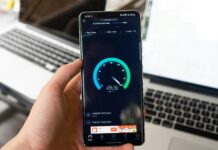
Connecting smart devices to portable modems through tethering, also referred to as ‘hot spotting’, or even simply using the internet seamlessly throughout your daily routines, has become essential in our fast-paced contemporary society. In this guide, we delve into the fundamentals of mobile broadband, explore the different generations of mobile technology, and address the security challenges that accompany the implementation of cutting-edge 5G networks. Keep on reading to discover the history and future of mobile connectivity as we unravel the complexities of mobile broadband and its pivotal role in shaping our digital landscape.
What is Mobile Broadband?
Mobile broadband refers to accessing wireless internet connections via mobile networks. Just as you can tether a laptop or other devices to your smartphone for internet access, similar connectivity can be achieved using portable modems or wireless modems. Mobile broadband involves accessing the internet through cellular towers, allowing devices such as smartphones, smart devices, and laptops to connect. This feature sometimes supports simultaneous connectivity for multiple devices.
What is a Mobile Hotspot and is it Safe?
A mobile hotspot enables users to share their smartphone’s internet connection with other devices, like laptops or tablets, via Wi-Fi. It’s generally safe to use, especially when encrypted and secured with a strong password. However, users should be cautious when using public hotspots, as they can be vulnerable to cyber attacks. Utilising security measures such as firewalls and encryption can enhance safety when using mobile hotspots.
Different Generation Technology Explained
We have come a long way since the introduction of 1G technology, which was launched in 1985, to now the development of 6G technology. Discover the history of all of the generation technologies here:
Understanding 1G Technology
Otherwise known as the first generation of mobile telecommunications, 1G, marked a significant leap from traditional landline telephony with the introduction of analogue cellular networks. In this era, users could make voice calls wirelessly. Although primitive by today’s standards, 1G laid the foundation for the mobile revolution, enabling people to communicate while on the move.
2G Technology Explained
When the introduction of 2G occurred, it brought digital cellular networks, which offered not only improved voice quality but also the first text messaging services. Beyond basic communication, 2G enabled multimedia messages (MMS).
3G Technology
As mobile technology continued to evolve, 3G emerged as a game-changer in 2023 in the UK, by significantly enhancing data speeds and capabilities. With 3G, users gained access to mobile internet services, enabling activities such as web browsing, email, and multimedia streaming on their handheld devices. Moreover, 3G networks facilitated video calling and mobile TV, marking a new era of mobile multimedia engagement on the move.
Understanding 4G Technology
Offering even faster data speeds and lower latency, 4G networks enabled high-definition video streaming, online gaming, and seamless internet browsing experiences.
5G Technology
The fifth generation of mobile technology, 5G, promises to revolutionize the way we interact with technology and each other. With blazing-fast speeds, ultra-low latency, and massive connectivity capabilities, 5G opens doors to unprecedented innovations. Beyond simply enhancing existing services, 5G enables transformative technologies such as the Internet of Things (IoT), autonomous vehicles, augmented reality (AR), and virtual reality (VR). Its potential impact spans industries, from healthcare and transportation to manufacturing and entertainment, ushering in the era of hyper-connectivity and digital transformation.
6G Technology Explained
While still in its conceptual stages, 6G is envisioned to push the boundaries of mobile technology even further. Expected to deliver even faster speeds, ultra-low latency, and seamless integration with advanced technologies like artificial intelligence (AI) and machine learning, 6G holds the promise of unlocking new realms of possibility. From holographic communication and immersive experiences to ubiquitous connectivity and real-time decision-making, 6G aims to redefine what’s possible in the realm of mobile telecommunications, shaping the future of human interaction and innovation.
Addressing Security Risks in 5G Implementation
While 5G revolutionises data transfer over cellular networks with unprecedented speed and efficiency, it’s imperative to mitigate potential security risks to safeguard these networks. Four primary concerns include weak network links, reduced human intervention in communications, virtualised network architecture, and hardware vulnerabilities.
Network Weaknesses
5G networks comprise multiple links, each employing various security protocols. Consequently, the weakest link in this chain can compromise the entire network. For instance, a distributed denial-of-service (DDoS) attack on a single link can cascade across the network, impacting users’ access. Implementing robust security measures such as next-generation firewalls and security gateways is essential to fortify these networks.
Automated Communications
5G facilitates communication with minimal human intervention, powering the Internet of Things (IoT) for seamless connectivity. However, the lack of oversight on these communication channels leaves them vulnerable to attacks that may evade detection for extended periods. Organisations relying on 5G must prioritise network security, engaging cybersecurity experts to design and deploy protective measures.
Virtualised Architecture
Virtualising network functions accelerates communication but introduces security risks. Reliant on software as a service (SaaS) and open-source code, virtualisation presents opportunities for hackers to exploit vulnerabilities and disrupt networks. Ongoing monitoring of cloud-based systems and stringent audits are crucial for maintaining security. Regulatory bodies like the European Union and the National Institute of Standards and Technology are actively enhancing 5G security protocols despite the inherent risks associated with virtualisation.
Hardware Vulnerabilities
With the proliferation of IoT devices leveraging 5G connectivity, various endpoints, including computers, smart appliances, and wearables, become potential targets for cyber attacks. Establishing federal and global standards, alongside regular audits and quality controls, is essential for securing these devices and their interconnected networks.