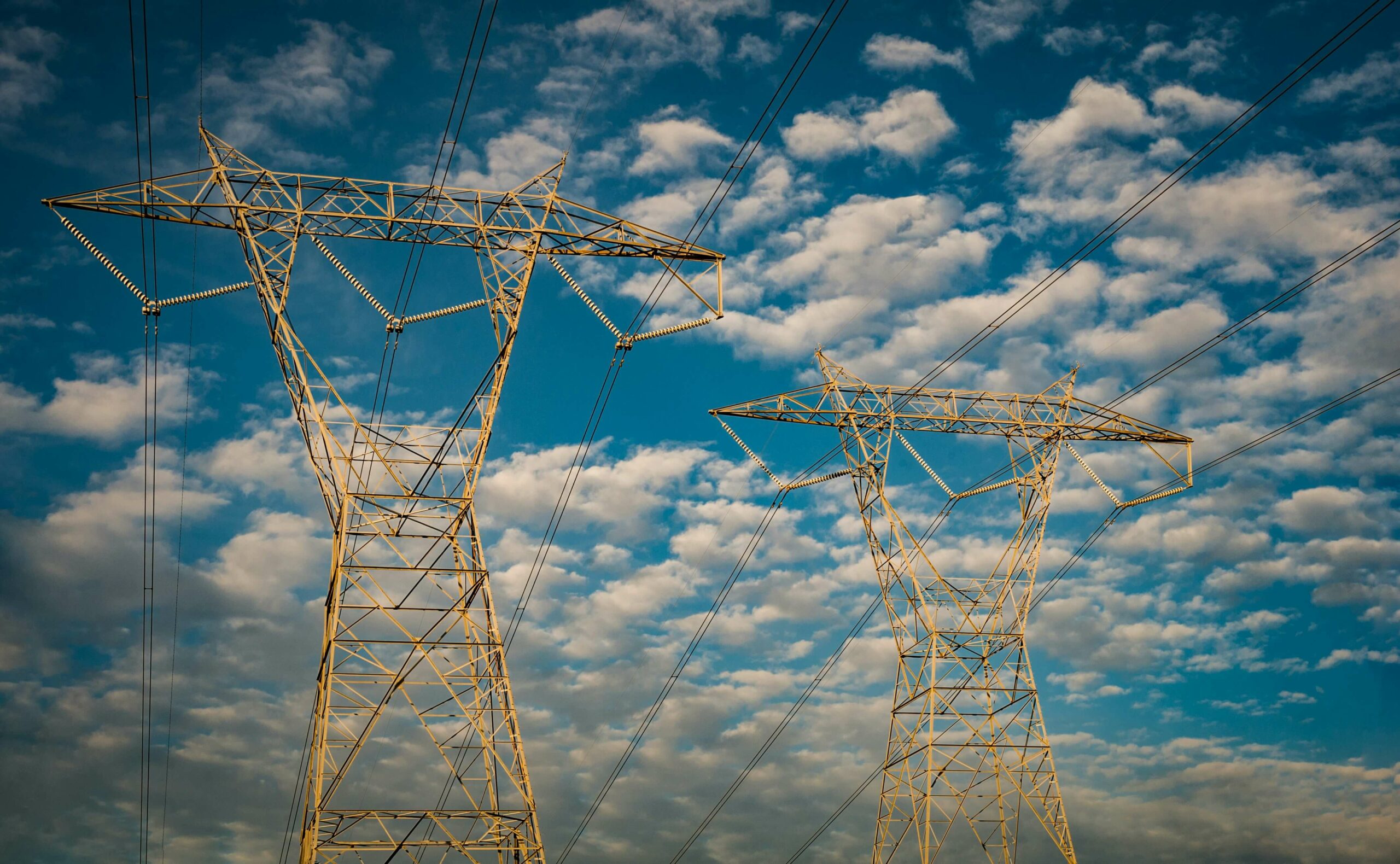
The digital divide, the gap between those with access to modern information and communication technology and those without, remains a critical issue in today’s increasingly digital world. One potential solution that has garnered attention is Broadband Over Power Lines (BPL). This technology uses the existing electrical power grid to deliver high-speed internet access to homes and businesses.
What is Broadband Over Power Lines?
Broadband Over Power Lines is a method of providing internet access by using the infrastructure of power lines. This technology involves sending data over the same lines that deliver electricity to homes and businesses. Special modems and adapters are used to connect computers and other devices to the internet through standard electrical outlets.
BPL works by injecting high-frequency data signals onto the power lines. These signals can travel along the electrical grid, reaching homes and businesses equipped with BPL modems. The technology promises to leverage the extensive reach of the power grid to provide internet access in areas where traditional broadband services, such as cable or DSL, are not available.
How Can BPL Address the Digital Divide?
The digital divide is most pronounced in rural and underserved urban areas, where the cost of deploying traditional broadband infrastructure is often prohibitive. BPL offers a unique advantage in these regions due to the ubiquity of the electrical grid. Almost every home and business has access to electricity, making it a potentially ideal conduit for delivering internet services.
By utilising the existing power infrastructure, BPL can reduce the need for new physical infrastructure investments, thereby lowering costs. This cost efficiency can make it feasible to provide high-speed internet in areas that have been historically underserved.
What are the Advantages of BPL?
The power grid reaches nearly every home and business, even in remote and rural areas where other forms of broadband infrastructure are lacking. This widespread availability makes BPL a promising solution for expanding internet access.
Reduced Infrastructure Costs
Since BPL uses existing power lines, the need for new infrastructure is minimised. This can result in significant cost savings compared to laying new fibre optic cables or building new cell towers.
Ease of Deployment
Installing BPL equipment is relatively straightforward. Power companies can integrate the necessary hardware into their existing systems without extensive modifications.
What Challenges Does BPL Face?
Despite its potential, BPL faces several technical and operational challenges that must be addressed to make it a viable solution for bridging the digital divide.
Signal Interference
Power lines are not designed for data transmission. They can introduce noise and interference that degrade the quality of the broadband signal. Overcoming this interference is crucial for ensuring reliable and high-speed internet access.
Limited Bandwidth
The capacity of power lines to carry data is limited compared to dedicated broadband infrastructures like fibre optics. Ensuring that BPL can deliver adequate bandwidth for modern internet applications is a significant technical hurdle.
Regulatory and Standardisation Issues
BPL technology must comply with various regulatory standards to avoid interfering with other forms of communication. Achieving standardisation across different regions and power companies is essential for widespread adoption.
Are There Successful Implementations of BPL?
There have been several pilot projects and implementations of BPL around the world, with varying degrees of success. For instance, in the United States, some rural communities have benefited from BPL initiatives that provided them with internet access where no other options were available.
In Europe, countries like Spain and Germany have experimented with BPL to improve internet connectivity in rural and underserved areas. These projects have demonstrated that BPL can be a viable solution, but they have also highlighted the need for continuous technical improvements and regulatory support.
What Are the Alternatives to BPL?
While BPL holds promise, other technologies are also being explored to bridge the digital divide. These include:
Satellite Internet
Satellite technology can provide internet access to remote and rural areas without the need for ground-based infrastructure. Companies like SpaceX and OneWeb are deploying satellite constellations to offer high-speed internet globally.
Fixed Wireless Access (FWA)
This technology uses radio signals to provide internet access. It can be a cost-effective solution for rural areas where laying fibre or cable is impractical.
Fibre to the Home (FTTH)
While expensive, FTTH offers the highest speeds and reliability. Some regions are investing in extensive fibre networks to ensure future-proof internet access.
What Does the Future Hold for BPL?
The future of BPL as a tool for bridging the digital divide will depend on several factors, including technological advancements, regulatory support, and market demand. Continued research and development are crucial for addressing the technical challenges associated with BPL, such as signal interference and bandwidth limitations.
Collaboration between power companies, internet service providers, and government agencies will be essential for creating a favourable regulatory environment and incentivising investment in BPL technology. If these stakeholders can work together to overcome the hurdles, BPL could play a significant role in expanding internet access to underserved areas.
Conclusion: Can BPL Bridge the Digital Divide?
Broadband Over Power Lines presents a compelling solution for bridging the digital divide, particularly in rural and underserved urban areas. Its ability to leverage existing electrical infrastructure offers a cost-effective and widely available means of providing internet access. However, significant challenges related to signal interference, bandwidth limitations, and regulatory issues must be addressed to fully realise its potential.
While BPL is not a one-size-fits-all solution, it can be part of a broader strategy that includes other technologies like satellite internet, fixed wireless access, and fibre optics. By pursuing a multi-faceted approach and fostering collaboration among stakeholders, we can make significant strides toward closing the digital divide and ensuring that everyone has access to the benefits of the digital age.