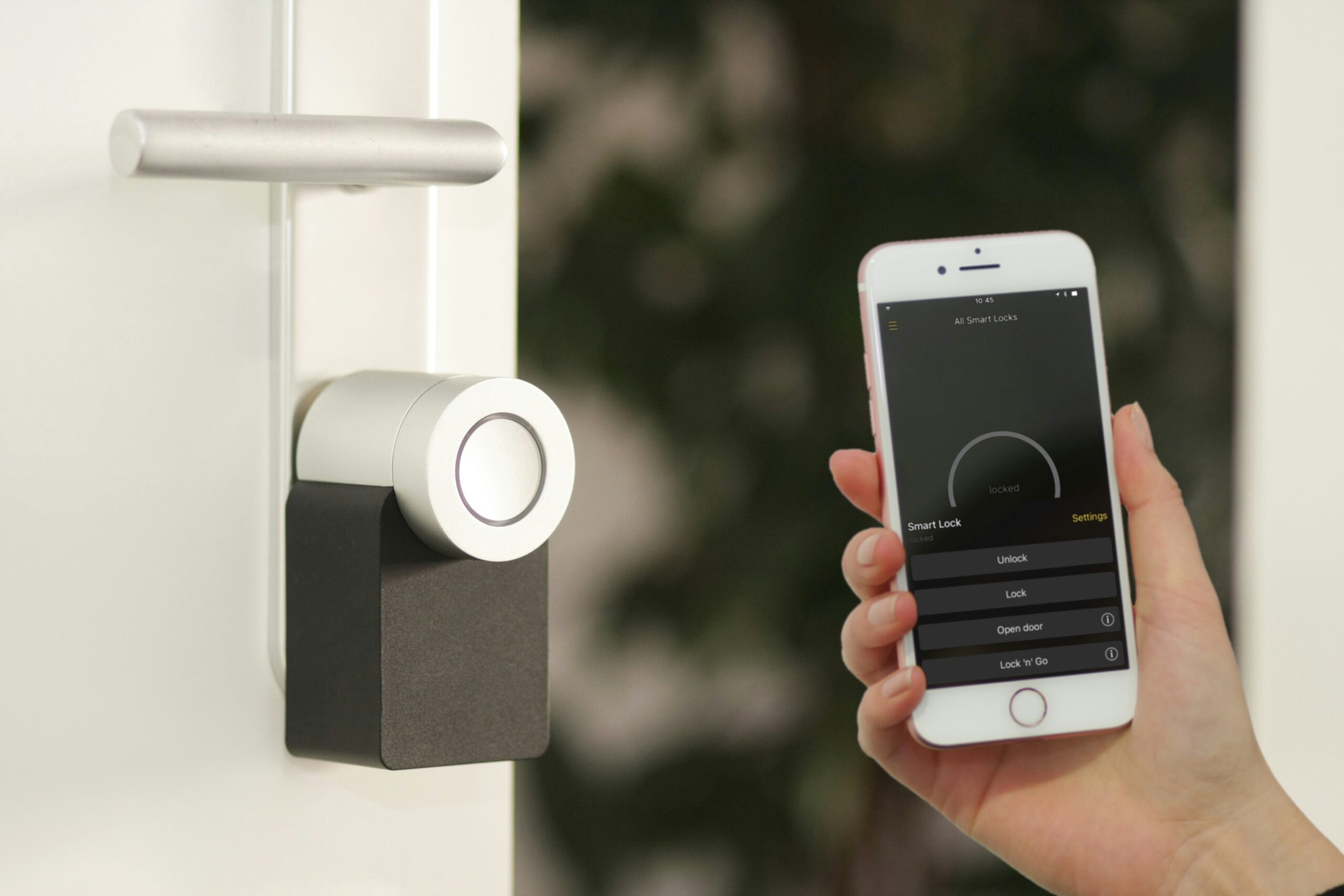
Smart home security systems have transformed the way we protect our homes. From live video feeds accessible from anywhere in the world to instant motion alerts sent directly to your phone, the technology available to homeowners today is more powerful and more accessible than ever before. But behind every smart camera, video doorbell, and cloud-connected alarm system is a dependency that does not always make it onto the product page: a fast, reliable broadband connection.
What Role Does Broadband Play in Smart Security?
Security systems in the past operated offline. It was just a camera recording to a local hard drive. Smart security systems operate uniquely. They let you watch live streams from your phone from anywhere, transfer data to cloud servers via your broadband connection, and send out immediate warnings when something happens.
Each of those features requires a reliable, quick internet connection. Your cameras may drop to a lower resolution, your alerts may be delayed, and in the worst situation, your system may go completely offline when you need it most if your broadband is having trouble.
Your security system isn’t the only thing your connection supports. It is powered by it. Because of this, one of the most crucial choices in any smart home security setup is selecting the appropriate connection.
Broadband Speed for Smart Home Security Systems
For best results, smart home security systems need a steady, fast upload and download speed; 50–100 Mbps for downloads and 10–20 Mbps for uploads.
How Much Data Do Cameras Use?
Depending on the compression standard, frame rate, and whether the camera records continuously or only when motion is detected, a single 1080p camera that records continuously can consume anywhere from 60 GB to 400 GB of data each month. Since motion-activated cameras only turn on when triggered, they consume a significant amount of data.
Those numbers are about doubled or tripled using a 4K camera. In a month, two 4K cameras operating continuously might easily use up more than a terabyte of data.
Can the Quality of My Broadband Affect Smart Home Security Systems?
The performance, dependability, and efficacy of smart home security systems are greatly impacted by broadband quality. A bad or erratic internet connection can make modern security cameras, video doorbells, and alarm systems useless because they depend on the cloud for real-time monitoring and notifications.
What Can Happen to Smart Home Security Systems if My Broadband is Too Slow?
Your home security may be compromised by your smart home security system’s decreased performance, high latency, or complete failure if your broadband is too slow or has a limited upload capacity. Slow internet frequently results in a “digital traffic jam” since security cameras and video doorbells are high-bandwidth, demanding devices that depend on steady, reliable cloud connectivity.
Key Broadband Requirements for Smart Home Security Systems
Not every internet package is created equal, and the requirements of smart security systems are different from those of typical home browsing. Here’s what to search for.
Download Speed
The majority of people pay attention to download speed, and it is important. Your security system must be able to transmit your video feeds back to your phone or tablet, fetch firmware upgrades, and receive configuration changes from cloud platforms. A minimum download speed of about 30 Mbps keeps everything working smoothly for a household with two to four cameras and regular internet use. Comfortable headroom is provided by fibre connections with speeds of 50 Mbps or more.
Upload Speed
This is where a lot of folks get taken off guard. For smart security, upload speed is significantly more crucial than download speed. Your home’s cameras are continuously transmitting video data to the cloud. The upload bandwidth required for a single 1080p camera broadcasting constantly is between 2 and 5 Mbps. You may observe how rapidly the demand builds up by adding a second or third camera.
Pay close attention to the upload speed numbers before committing to any internet plan. While burying upload speeds in the fine print, providers frequently prominently tout download speeds.