
The idea that everything will be wireless has been a part of tech futurism for a long time. But for a long time, the idea of replacing a physical broadband cable with a wireless signal was silly to anyone who did more than check their email. Early wireless home internet had a lot of problems, like high latency, interference from the weather and data caps that made watching a single Netflix movie a financial risk.
But the conversation has changed since 2026. Fixed Wireless Access (FWA), which uses 5G-Advanced and millimeter-wave (mmWave) technology, has become a real competitor.
What Does FWA Mean?
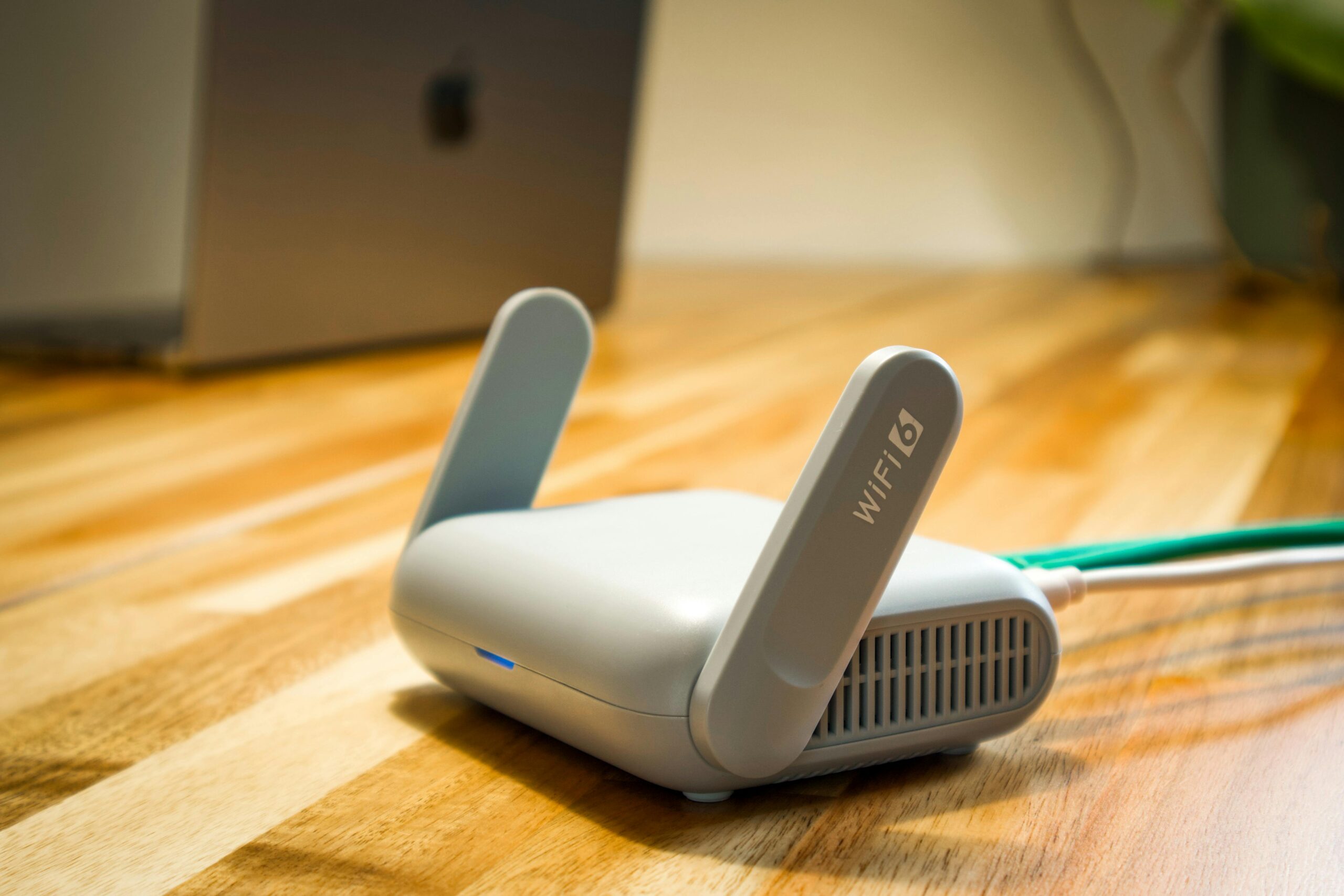
A high-gain antenna, called a “gateway” or “CPE,” picks up cellular signals from a nearby tower and turns them into a Wi-Fi network for your home. FWA is different from mobile data on your phone because it is meant to stay in one place. This lets it use much more powerful internal hardware to keep a stable, high-capacity link.
The Zero-Trench Factor is the biggest draw in 2026. If you want traditional broadband, a technician will have to dig a trench to your house or drill holes in your walls. FWA is often like getting a “box in the mail.” You just plug it in, put it near a window and you’re online in five minutes.
Speed And Latency
Performance is the most important thing to look for in a broadband replacement. In 2020, FWA speeds were often limited to 50 Mbps and had a 100 ms delay. 5G-Advanced FWA regularly gives you the following today:
- Download speeds range from 300 Mbps to 1 Gbps, depending on how close you are to the tower.
- 20 to 40 ms of latency.
Fibre optic lines still have the best latency and speeds, but the 2026 standard for FWA is now good enough for 4K streaming, Zoom calls with multiple users and even casual online gaming.
The Infrastructure Advantage
Game of miles is what traditional fibre is. Laying glass cables to a farmhouse three miles off the main road or into a dense, historic urban area where digging permits take years is too expensive.
In these situations, FWA doesn’t just take the place of regular broadband; it goes beyond it. For a utility company, putting up one 5G tower can cover an entire valley for a lot less money than running fibre to every home. FWA is now the main way to close the Digital Divide, giving millions of people who were stuck on 5Mbps DSL or high-latency satellite access to high-speed internet.
The Capacity Crunch
Why hasn’t FWA completely killed cable and fibre if it’s so easy and quick? The answer is in the capacity of the spectrum.
Think of fibre optic cable as a private road with your own lane. But wireless is like a public pool. There is only so much “water” (bandwidth) available. If everyone in a crowded area switches to FWA, the cell tower may get too busy.
Shared Bandwidth
Between 8 PM and 11 PM, FWA users may notice their speeds slow down as the tower tries to balance capacity across thousands of devices.
Symmetry
Fibre has the same speed going up and down. FWA is almost always not symmetrical and upload speeds are often much lower , which can be a problem for content creators and heavy cloud users.
The Line Of Sight Problem And Stability
The laws of physics still apply to wireless signals. High-frequency signals (mmWave) that give the fastest gigabit speeds are known to have trouble getting through things. A thick brick wall, a heavy rainstorm or even a fast-growing oak tree in your front yard can all make an FWA signal weaker.
The Power User
For the Power User, like a competitive gamer, a professional day trader or someone who runs a home server, the occasional jitter or signal drop that comes with wireless is often a dealbreaker. For these users, the higher monthly fee is worth it for the glass cable’s physical stability.
Backup And Fast Growth
In the business world, FWA is definitely replacing traditional lines. If you have a pop-up shop, a construction site trailer or a new branch office, waiting a month for a wired installation means losing money. FWA lets businesses start working right away.
Also, a lot of businesses are now using FWA as a “Failover” connection. The office router automatically switches to the 5G FWA link if a backhoe accidentally cuts the fibre line in the street. This makes sure that there is no downtime.
Is It Possible For It To Replace Regular Broadband?
It all depends on your connectivity needs.
- Yes, it can take its place if: You live in a rural or suburban area where fibre isn’t available, you don’t use it very much and want a simple setup or you want to lower your monthly bill. Modern FWA is good enough for about 70% of homes that it feels like a wired line.
- No, it can’t take its place if: You are a pro gamer, a 4K video editor who uploads huge files every day or you live in a dead zone in a city where there are a lot of people.
In the long run, FWA and Fibre work together, not against each other. Fibre is the backhaul that connects the towers and FWA is the last mile that connects the user. We are moving toward a Hybrid World where the cable that comes into your house is less important than the network’s ability to handle the data.