
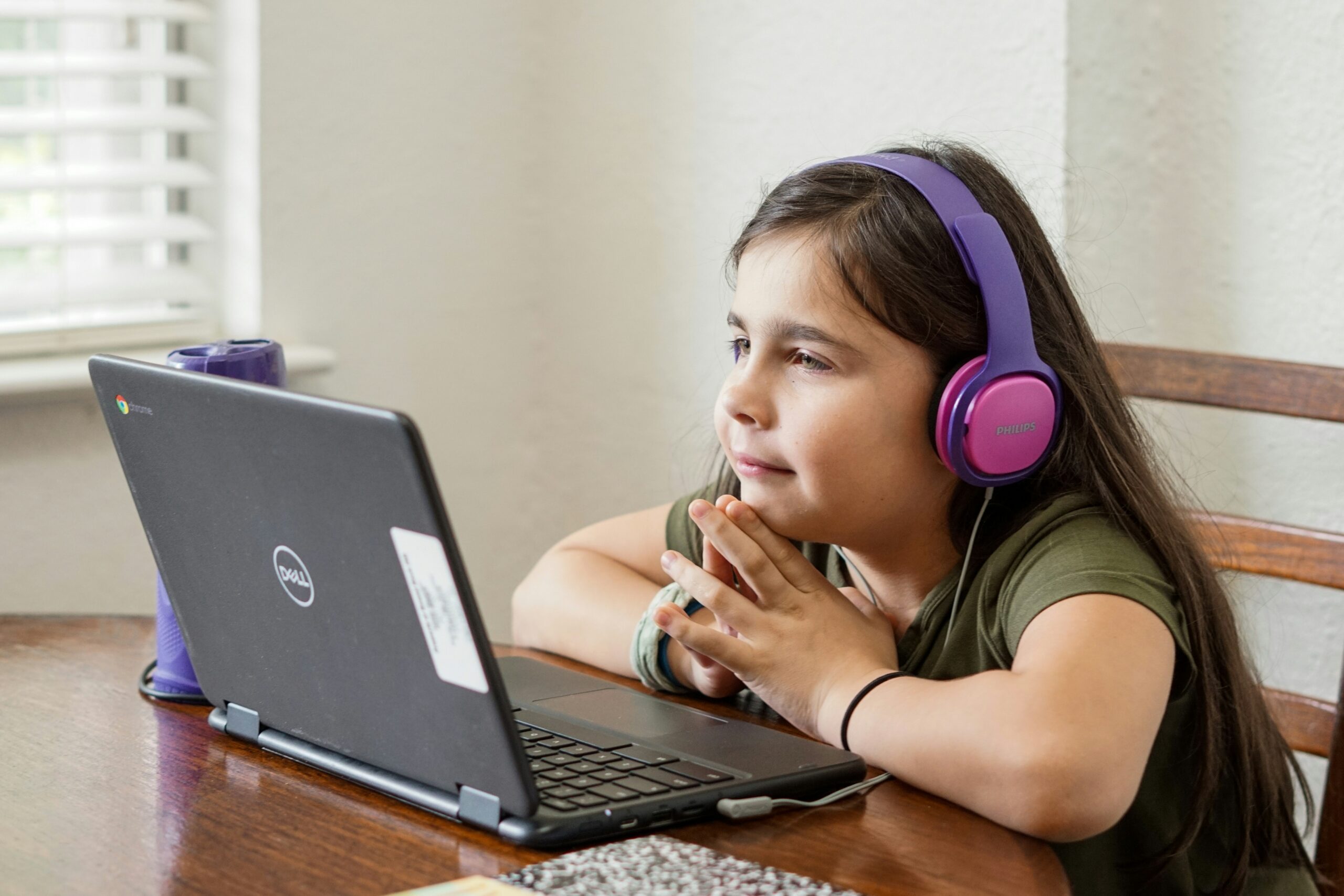
A strong and reliable broadband connection has become the backbone of modern education, ensuring that students and teachers can connect, collaborate, and learn without disruption. Whether attending virtual lessons, submitting assignments, or accessing online resources, remote learning depends on seamless connectivity.
Slow speeds and frequent dropouts can interrupt lessons, cause frustration, and hinder academic progress. With the right broadband, students can fully engage in their studies, educators can deliver lessons without barriers, and parents can have peace of mind knowing their child’s education remains uninterrupted.
What Is Broadband?
Broadband is an internet service in the UK that allows you to access the web, email, streaming, and other online services at high speed. The past few years have seen broadband develop in several ways, leading to several types of broadband, each with its subtle differences from the other.
What Is Remote Learning?
With this adaptable arrangement, professors and students communicate and educate digitally rather than in conventional classrooms. To deliver instruction and keep students interested, remote learning institutions frequently use digital resources including virtual classrooms, online assignments, and video conferencing.
This paradigm allows students to participate from any location with an internet connection. It enables access to education even in situations when face-to-face instruction is not possible.
Is There a Digital Divide In Education?
Not all students have equal access to the Internet, even with the advances in educational technology. For many students, the digital divide poses serious challenges, especially in rural or low-income locations since they lack any kind of Internet connectivity. Some key challenges posed by the digital divide include:
- Limited access to resources: Students find it difficult to access digital resources, participate in virtual classrooms, and finish online homework when they don’t have a reliable broadband connection.
- Challenges with collaboration: Group projects, real-time discussions, and interactive assignments become inaccessible without stable, dedicated internet access.
- Reduced access to teacher support: Students who struggle with a broadband connection are generally unable to receive timely feedback from their teachers, which hinders their success.
The Importance Of Reliable Broadband For Remote Learning
In order to ensure a high-quality learning experience regardless of their physical location, particularly during times like school closures or when distance learning is required, students need reliable broadband. This is because it allows them to access educational materials, participate in live online classes, collaborate with peers, and submit assignments with ease.
Without a stable connection, students may experience major disruptions to their education, such as lagging video calls, delayed submissions, and limited access to learning resources.
Reasons why reliable broadband is important for remote learning include:
- Access to learning materials: To access online textbooks, instructional videos, simulations, and other digital resources that are crucial for contemporary learning, students require high-speed internet.
- Collaboration and group work:
Students can collaborate on projects, share documents, and work together on assignments effectively through online platforms, which requires a stable internet connection. - Assessment and feedback: Online assignments are simple for students to turn in, and teachers can provide prompt feedback, promoting ongoing learning.
- Live online classes: Reliable broadband is necessary so students can participate in real-time video conferencing with teachers and classmates, allowing for interactive discussions and effective learning experiences.
What Is the Role Of Affordable Broadband In Remote Learning?
By giving kids access to the materials they need to learn from home, a cheap internet connection helps close the digital divide.
Teachers and students can now connect to the Internet with the help of inexpensive school plans offered by Internet service providers. Students may learn digital skills and finish their homework with a quick, inexpensive Internet connection.
What Are the Challenges In Accessing Broadband For Remote Learning?
Access to broadband for education poses several challenges. However, the two main challenges it poses include disparities in technology access and a lack of internet infrastructure in rural areas:
Disparities In Access To Technology
With many students lacking access to internet-enabled devices for online learning, rural school districts frequently bear the brunt of technology inequality. When compared to non-rural areas, this disparity is striking and emphasises the serious digital gap in the educational system.
Despite leaps forward in modern tech-oriented times, there are still disparities that emphasise that there is still so much ground to cover before achieving equal technology accessibility. Reducing social inequality caused by unequal broadband access is as important as addressing these disparities for the sake of education.
Lack Of Internet Infrastructure
Lack of internet infrastructure is a common problem for people who live in rural locations. This is a major obstacle to obtaining instructional materials, particularly at a time when online education is growing in popularity. Slow and unreliable broadband connections further contribute towards academic lag as they prevent students from participating fully in their lessons.
Due to significant differences in broadband connectivity quality and availability between rural and urban areas, the digital gap in education keeps growing. As a result, opportunities for teleworking or engaging with important services like healthcare get restricted.