
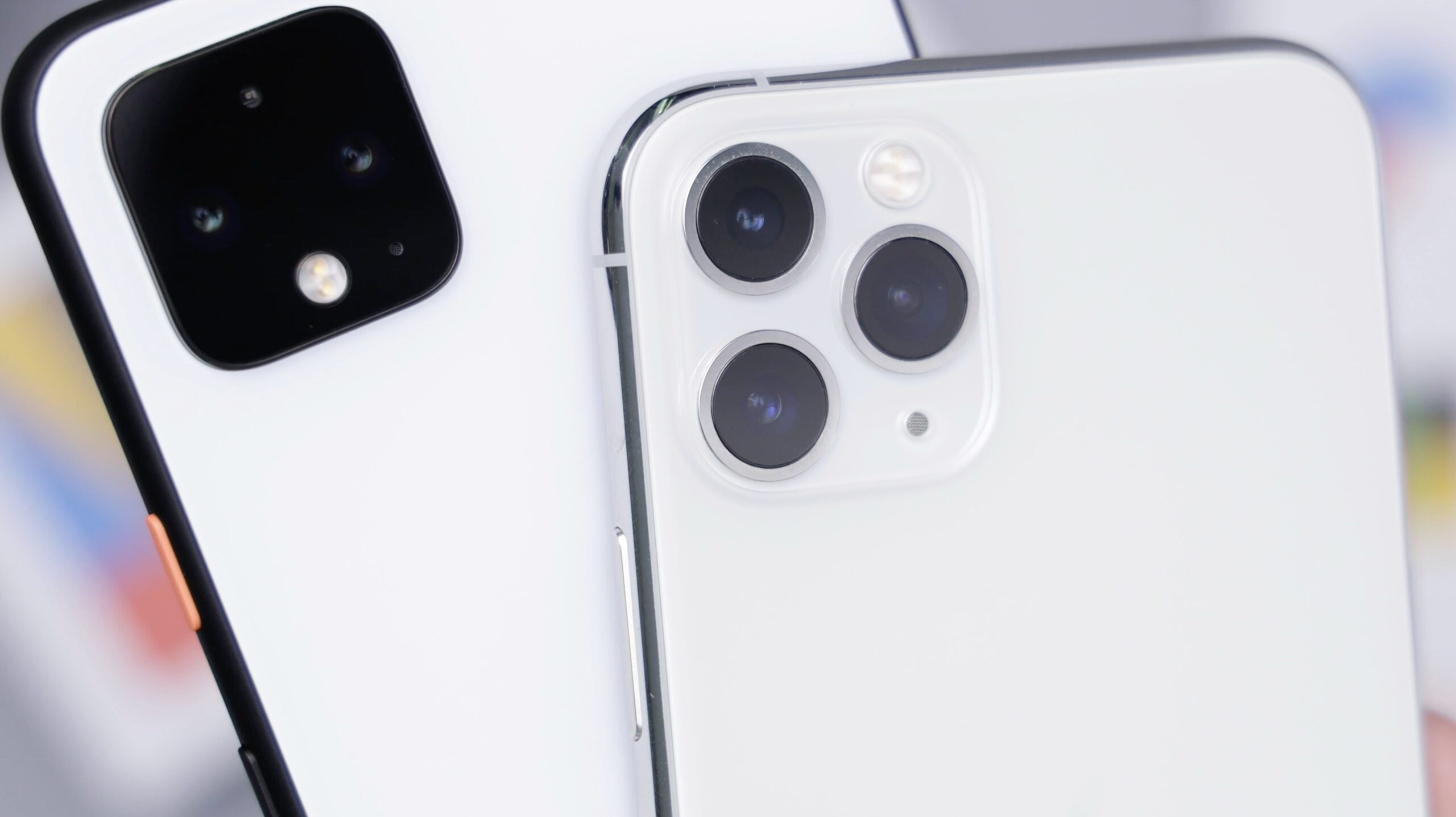
Our means of connecting to mobile networks have changed over the years. eSIMs are gaining traction these days but traditional SIM cards are still the primary method of mobile connectivity. However, what is an eSIM and how is it different from a physical SIM card?
What is a SIM card?
A SIM (Subscriber Identity Module) card is a device connectivity tool which permits subscribers to a mobile network. It is a tiny chip that is kept in a mobile device. It houses critical information like your contact number, mobile network and credentials.
Types of SIM Cards
From the standard to the nano, here we outline the different types of SIM cards available on the market:
Standard SIM
The standard SIM card is the oldest form of SIM card and now stands as the largest size.
Micro SIM
These types of SIM cards are usually found in older smartphones, it is often used by manufacturers to try to make devices as small as possible.
Nano SIM
It is the smallest SIM card type and almost all smartphones are now equipped with Nano SIM cards.
What is an eSIM?
An eSIM, also known as embedded SIM, is a digital variant of a SIM Card that is embedded directly in a device. Users can download network profiles instead of scanning a physical card, allowing them to switch carriers digitally.
- No need for a physical card.
- The option to save different network profiles is available for users.
- Changing mobile carriers is smoother and quicker.
Key Differences Between a SIM Card and an eSIM
| Feature | SIM Card | eSIM |
|---|---|---|
| Physical Format | Requires a removable chip | Embedded in the device |
| Switching Networks | Requires swapping SIM cards | Can switch networks digitally |
| Device Compatibility | Works with all SIM-enabled devices | Only works with eSIM-supported devices |
| Storage of Multiple Numbers | Limited to one per SIM | Can store multiple numbers on a single device |
| Security | Can be lost or stolen | More secure as it cannot be physically removed |
Benefits of Using eSIMs
There are a range of benefits of using an eSIM including being able to connect to multiple networks for quicker connectivity. Here we outline four benefits:
Convenience
eSIMs are incredibly convenient as there is no physical SIM needed. This makes changing networks much simpler, allowing for quick connectivity.
More Secure
Another benefit of eSIMs is that they are non-physical, meaning that they cannot be stolen or taken away like a physical SIM.
Multiple Networks
eSIMs are perfect for roaming. You can set up different SIM numbers on one device which is ideal for roaming.
Eco-Friendly
As they are digital, eSIMs eliminate the waste generated by SIM cards.
Drawbacks to eSIMs
With limited compatibility and carrier restrictions, eSIMs do come with some limitations. Here we outline three drawbacks with using an eSIM:
Limited Compatibility
You must first ensure that your device is compatible, as these SIM cards are only compatible with eSIM-supported devices.
Carrier Restrictions
You may not be able to connect to all available networks in your area, as not all networks support eSIMs.
Setup Process
For those who are new to the tech world, it may involve added steps during the setup process.
Is eSIM Available in the UK?
Absolutely! A majority of UK networks, including EE, O2, Vodafone, and Three have eSIM capabilities. However, not every plan has eSIM features, so it is advisable to inquire with your provider.
Should You Switch to an eSIM?
eSIMs are ideal for those seeking speed and security. But they are not very adaptable to changing devices. In other words, if you switch phones or don’t frequently change them, a physical SIM card suffices best.