Access to better healthcare services is problematic for people living in rural or remote areas of the UK, however, the good news is that changes in mobile broadband technology, particularly the introduction of 4G and 5G networks, are improving the situation. The expansion of the internet allows for remote health monitoring, meaning that patients can be supported medically without having to travel long distances.
What Is Mobile Broadband?
If you’ve ever scrolled through social media, streamed a video, or sent a message while out and about, congratulations—you’ve used mobile broadband! Mobile broadband is a wireless internet service that enables an individual to access the web from wherever they are as long as there are 3G, 4G, or now 5G networks available. It offers greater convenience compared to fixed broadband services that rely on fibre to satellite infrastructure because mobile broadband can be accessed using smartphones, tablets, and mobile routers. This feature is particularly beneficial for people living in rural areas or people who need to connect to the internet while they are away from their homes.
Understanding 4G and 5G Technology
Both 4G and 5G are mobile networking technologies enabling access to the internet over a smartphone, tablet or any other mobile device, however, there are notable differences in both the speed and capacity:
4G (Fourth Generation) Technology
This has been standard for mobile interconnect in the UK for more than eleven years, and is fast enough to enable video calls, streaming and remote healthcare services. Patients can consult physicians via telemedicine and use health monitoring devices with little lag.
5G (Fifth Generation)
The newest development in mobile broadband is the 5G network, which is faster and more dependable than 4G. Its latency is lower (almost zero delay in data transmission), making it more suited for real-time remote monitoring of patients and potential procedures such as remote surgeries. There will be increased accessibility and effectiveness of healthcare services in the UK as the 5G network spreads across the country with time.
What Is Telemedicine?
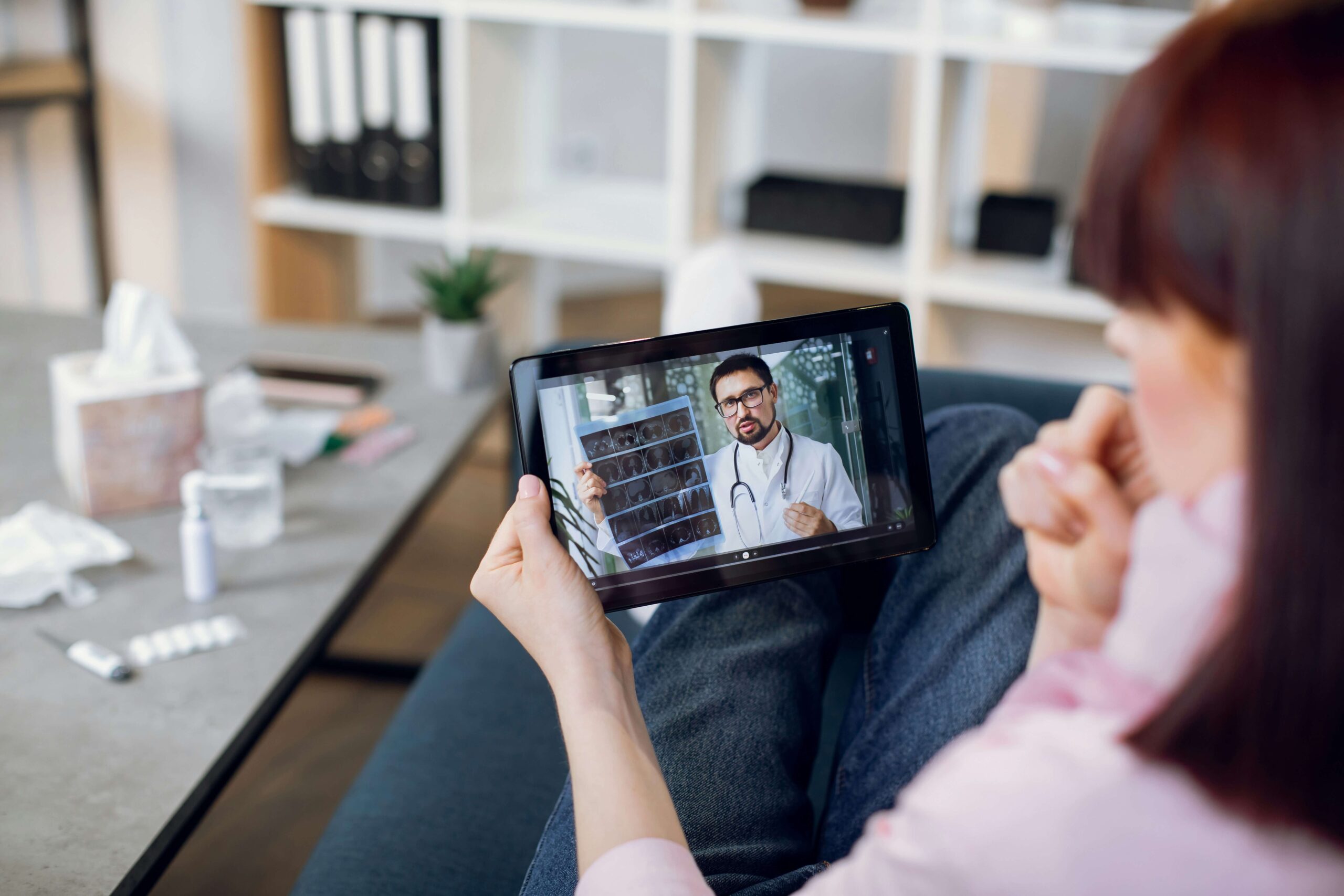
Telemedicine is the use of digital technology to conduct medical consultations, monitor a patient’s status and manage healthcare from a physical distance. Instead of going to GP or hospital, patients can initiate video calls, use mobile applications or wearable health technology to communicate with health workers. This is most helpful for patients suffering from chronic diseases, mobility problems, or those who live far from the clinics.
The Advantages of Mobile Broadband Technology with Remote Healthcare Services
Mobile broadband is an excellent way to keep connected, not just socially but also in times when our health needs attention. This type of connectivity allows those living in rural UK to have access to telemedice and much more:
Increased Healthcare Accessibility in Remote Areas
In the more rural regions of the UK, it can be nearly impossible to locate a GP or specialist because of the limited medical facilities available. With mobile broadband, patients in such remote locations can now interact with healthcare providers via video calls, receive remote diagnoses, and even access mental health support services without long travel times being a barrier.
Improved Response Time to Emergencies
With the introduction of 4G and 5G technologies, paramedics, and emergency personnel have been able to receive real-time patient data from wearable devices. For these individuals, particularly those suffering from certain heart conditions, complications from diabetes, or respiratory issues, can potentially be lifesaving.
Supporting Strain on NHS Resources
With the option of remote monitoring available, less patients need to attend hospitals or GP facilities for their regular check ups. This directly contributes to lessened waiting periods and gives the chance for NHS members to pay more attention to emergency or more critical situations.
Healthcare Equity: Universal Access
The availability of mobile broadband, even in rural areas, means that people can receive medical attention in the same way regardless of their location. It also decreases the gap in healthcare services and assists the most at-risk patients like the aged and disabled to receive help more conveniently.