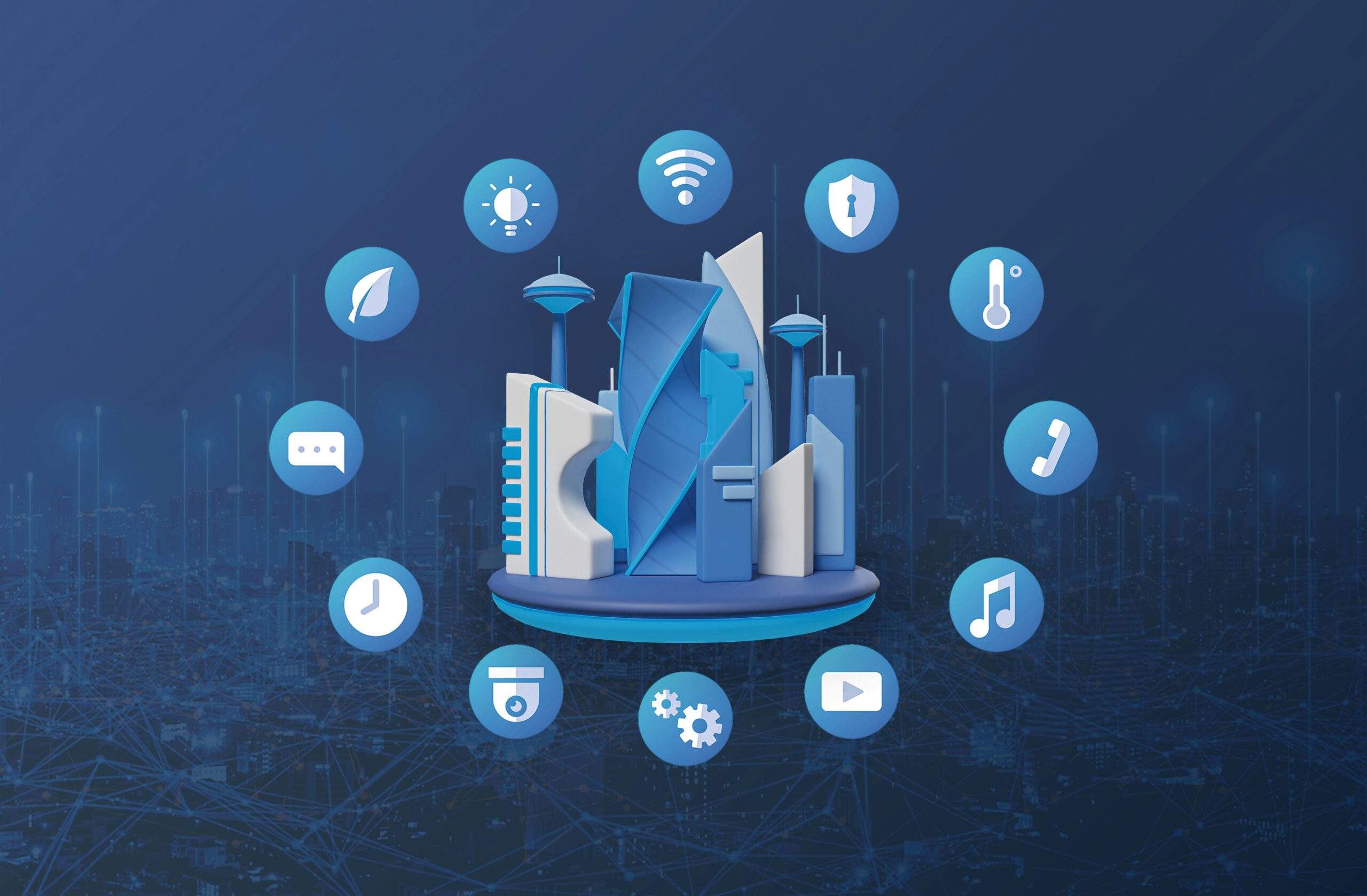
The Internet of Things (IoT) serves as a key enabler of smart cities where connected technologies execute urban operations, enhance environmental assessment and improve delivery of services. IoT devices rely on mobile broadband which provides a continuous data stream that facilitates real-time applications such as traffic management systems and public safety measures. With the kind of flexibility, coverage and scalability that mobile broadband provides, cities will be able to rely on it as a viable option for controlling intricate IoT networks.
What Is IoT in Smart Cities?
When talking about smart cities, the term IoT encompasses connected sensors, cameras and devices that gather and transmit data. This data can assist city authorities in improving resources related to waste, transport, environmental, and emergency services. The cities employ IoT technologies for transport, pollution, and energy monitoring, among other functions, to optimise the urban environment. These interdependent networks of systems require consistent connectivity and mobile broadband is the proper fit for such IoT applications.
Why Use Mobile Broadband for the Internet of Things?
Extensive Reach
One of the most beneficial aspects of mobile broadband is that it has wide area coverage, especially in urban centres, which makes it the perfect medium for providing IoT connectivity. Considering that IoT devices in smart cities are stationed at various places and not limited to indoor settings, mobile broadband’s range is ideal for ensuring seamless connectivity. This kind of widespread coverage is needed in order to accommodate the massive number of sensors, cameras and other devices that are necessary to control a smart city.
Dependability and Expandability
Mobile networks have the capacity to handle massive amounts of data and large numbers of devices which is the heart of IoT applications in smart cities. In the event that cities expand their IoT network infrastructure, mobile broadband will help with more devices without losing the quality of the connection. This expansion means that mobile broadband infrastructure will be able to sustain increased data usage, as more IoT devices are deployed in the cities.
Quick Data Sharing
For the IoT devices operating in smart cities to be effective, there is a need to share information on a real-time basis. Mobile broadband networks offer low latency allowing units and sensors to relay information and communicate instantaneously. Such time-critical performance is crucial for the actuating systems that are designed to respond in real-time, for example, traffic lights that adjust based on the amount of traffic and pollution monitors that activate whenever the pollution levels rise above adequate levels.
What are Examples of IoT in a Smart City with Mobile Broadband?
As smart cities rely heavily on the internet, there are virtually endless ways that mobile broadband can streamline different aspects of how the city moves. From better traffic management to reduced carbon footprints, mobile broadband is an ideal companion for IoT devices. Below we outline some specific examples:
Traffic Management
Traffic lights and other IoT devices connected to the Internet are able to regulate large volumes of traffic, anticipate the buildup of cars, and switch light signals depending on certain circumstances. By using mobile broadband, even these systems can be quickly and accurately controlled, assisting towns in alleviating traffic strain, maximising fuel use, and reducing emissions.
Public Safety and Security
Mobile broadband makes it possible for IoT-based security systems, such as surveillance cameras and sensors installed in public areas, to provide constant monitoring. It makes it possible for the police to be alerted in emergency events. Mobile broadband also supports communication between various public safety teams, enhancing coordination during critical situations.
Waste and Resource Management
When rubbish bins are filled, IoT sensors located in the bins within smart waste management systems communicate with operators and tell them when to collect the bins, which makes the collection more efficient. This results in lower fuel consumption lowers the city’s carbon footprint and reduces running expenses.
Environmental Monitoring
It is thanks to mobile broadband that IoT devices can measure environmental conditions such as air quality, water levels, and sound levels efficiently. They send information to a central system that is capable of analysing trends and activating alarms when needed.