Mobile broadband is a crucial technology that keeps us linked to the internet, enabling browsing, streaming, and communicating on the go. But how does mobile broadband coverage vary across different regions? Let’s take a look.
What is Mobile Broadband?
Mobile broadband is high-speed wireless internet access provided through mobile phone towers to computers, smartphones, and other digital devices. This service differs from fixed broadband, which typically involves physical connections like cables or fibre optics. Mobile broadband uses the same cellular networks as mobile phones, and its performance can be influenced by factors such as network technology (3G, 4G, LTE, 5G), the capacity of the network infrastructure, and the geographical and environmental features of the area.
How Is Mobile Broadband Accessed?
Accessing mobile broadband is straightforward. Most commonly, it is done through a mobile phone or tablet with a SIM card that has a data plan. Alternatively, devices such as USB dongles, mobile hotspots, and built-in modems in laptops can also provide access using the same cellular networks. Users subscribe to a specific amount of data from a mobile operator, and the quality and speed of the connection can vary based on location and network congestion.
What Factors Affect Mobile Broadband Coverage?
Several key factors influence the quality and availability of mobile broadband across different regions:
Geography
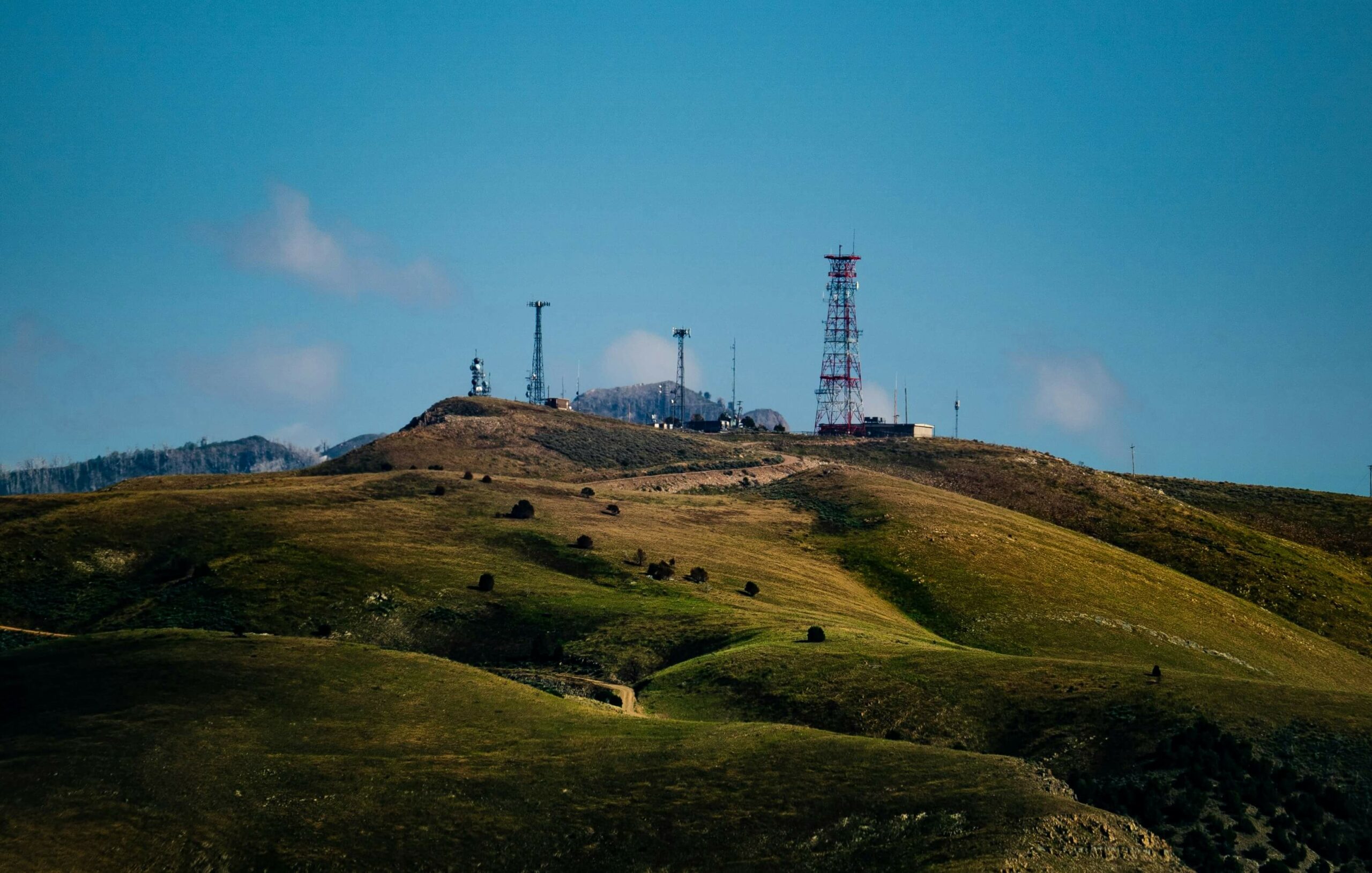
Mountainous areas or places with significant natural barriers often face challenges in signal reception.
Infrastructure
Urban areas typically enjoy better coverage due to denser infrastructure. Conversely, rural and remote areas often experience poorer service due to the lesser economic incentives for network providers to invest in extensive infrastructure.
Population Density
High-density areas tend to have better coverage due to a higher number of cell towers installed to manage the demand.
Regulatory Environment
Government policies regarding spectrum allocation and telecommunications infrastructure can greatly affect the availability and quality of mobile broadband services.
Technological Advancements
The rollout of newer technologies like 5G significantly impacts coverage, improving speeds and capacity in areas that receive these upgrades.
How Does Coverage Vary in Urban vs. Rural Areas?
The disparity in mobile broadband coverage between urban and rural areas is one of the most significant divides. In cities, the high demand for connectivity drives investment in the latest technologies and infrastructure, resulting in higher speeds and more reliable service. In contrast, rural areas, with their lower population density and thus lower economic return on investment, often lag behind. This gap can affect everything from personal communication to the ability to run businesses or engage in remote education.
Which Regions Have the Best Mobile Broadband Coverage?
Globally, regions vary widely in their mobile broadband coverage. Countries with well-developed technological infrastructures such as South Korea, Japan, and Sweden often lead in terms of both coverage and speed. In these countries, governments have typically invested heavily in digital infrastructure and have policies that promote high levels of competition among mobile providers, leading to better services.
On the other hand, many developing countries, particularly in parts of Africa and Asia, struggle with basic mobile broadband accessibility. Challenges include limited infrastructure, regulatory hurdles, and the high cost of deployment relative to average incomes.
How Are Governments and Organisations Addressing Coverage Gaps?
To combat disparities in mobile broadband coverage, several strategies are being implemented:
Infrastructure Investment
Many governments are allocating funds or creating incentives for the expansion of mobile broadband infrastructure, particularly into underserved rural areas.
Regulatory changes
Adjustments in spectrum management and the reduction of barriers for new market entrants can encourage competition and thus drive coverage improvements.
Public-Private Partnerships
Collaborations between governments and private companies can lead to shared investment risks and rewards, making it feasible to expand coverage to less profitable areas.
International Aid and Development Projects
Global organisations and coalitions often support projects aimed at improving connectivity in developing regions as part of broader efforts to stimulate economic growth and development.
What Future Trends Will Influence Mobile Broadband Coverage?
Looking ahead, several trends are likely to influence the evolution of mobile broadband coverage:
- Continued rollout of 5G and beyond: As 5G becomes more widespread, it promises not only faster internet speeds but also more efficient use of the spectrum, potentially easing the deployment in rural areas.
- Satellite Internet: Projects like SpaceX’s Starlink aim to provide global broadband coverage using satellite technology, which could revolutionise access in remote and underserved regions.
- Increased focus on digital equity: As connectivity becomes increasingly recognised as a basic necessity, there is a growing movement globally to treat broadband access as a fundamental right, leading to more concerted efforts to bridge the digital divide.
Understanding the variations in mobile broadband coverage is critical not only for consumers making decisions about where to live or how to access digital services but also for policymakers aiming to foster economic development and reduce inequalities. As technology advances and the world becomes more digitally interconnected, ensuring equitable access to mobile broadband remains a key challenge and priority.