In the UK the importance of understanding the energy consumption of 4G and 5G networks continues to increase because of the rise in mobile broadband adoption. These energy expenditures have negative impacts on the environment, especially considering the plans put forth in the UK which seeks to advance to a digital economy, cutting off the landline telecommunications system in 2025.
What Consumes The Most Power in Mobile Networks?
Mobile broadband network infrastructure is complex and requires large amounts of energy to fuel our need for internet use. Some of the most energy-consuming parts of mobile networks are cell towers, transmission networks and data centres. Below we outline these consumptions in further detail:
Base Stations (Cell Towers)
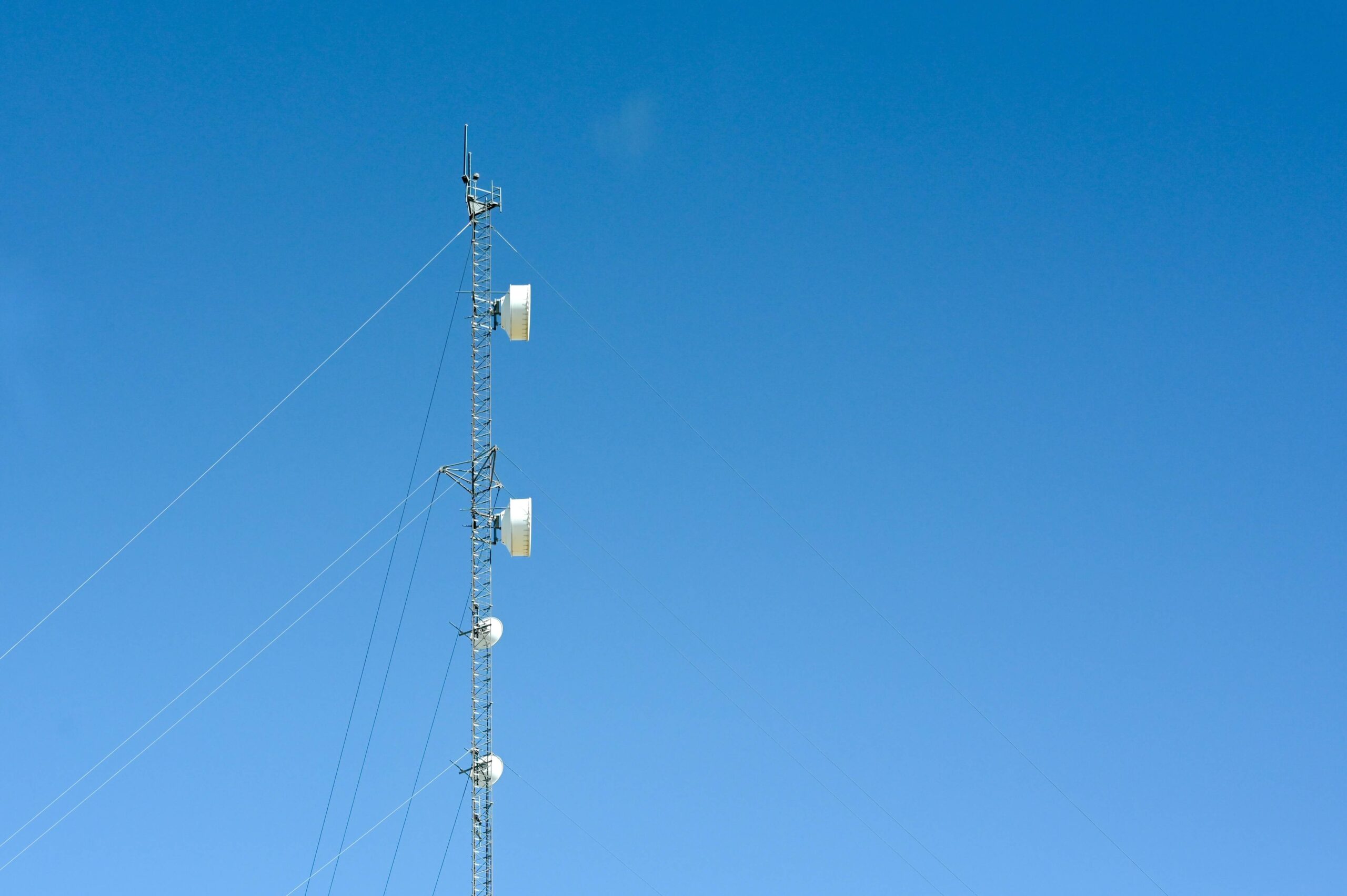
Base stations are key components of a mobile broadband network as they allow for communication with mobile devices and the main core network. These base stations are known to consume the highest energy. Base stations consume energy as they already have applicable functions such as coverage and data traffic interception. Due to the rapid deployment of 5G, it may be expected that the energy consumption of base stations will be higher due to the initiation of highly sophisticated and energy-consuming devices.
Data Centres
The energy supplied for maintaining the servers—the facilities that process mobile broadband traffic—represents yet another significant energy loss. Mobile operators in the UK deploy those data centres for storage, routing, and other mobile operations in a single or several locations. The constant development of mobile data volumes increases energy consumption, especially the active use of streaming services, video calls, and a variety of cloud applications. These facilities require electrical energy for servers and cooling systems to operate efficiently and effectively.
Transmission Networks
Mobile backhaul networks send information from base stations to data centre hosts and to network infrastructure through backhaul transmission links which connect these structures. This data traffic often transits through fibre optic cables which can be very energy-intensive. In a bid to integrate 5G networks across the UK, the levels of backhaul will increase and likely increase energy usage.
Mobile Devices
Although mobile devices such as smartphones and tablets are not part of the physical network infrastructure, they are also increasing overall energy usage. These devices are always connected to mobile broadband and, therefore, indirectly affect battery duration as well as network load.
Factors Affecting Energy Consumption in UK Mobile Broadband Networks
There are multiple factors responsible for mobile networks’ energy consumption in the UK, like network coverage and traffic, among many more:
Network Coverage and Density
The geographical spread of the mobile broadband network plays a significant role in energy consumption. Urban areas, with higher population density and data traffic, require more base stations to maintain good coverage. More base stations mean more energy consumption, especially for 5G, which requires more power to handle the increased bandwidth.
Frequency Bands Used
Energy utilisation is also determined by the frequency bands employed by the networks operating in a particular country. 5G networks, for example, use higher frequencies which allow for data to be transmitted at faster rates but need more energy to maintain signal level over a longer distance. On the other hand, 4G networks utilise lower frequencies which are less energy-consuming but operate at a lower speed and capacity.
Traffic Load
In a network, the volume of data transfers in terms of bits per second impacts the power demand. As the volume of data increases, the energy required to handle and communicate that information also increases. Due to the high demands of internet use, there will be a significant increase in traffic that is expected to grow which will lead to higher energy expenses.