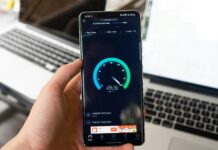

Mobile broadband has completely transformed the way we connect to the Internet, allowing access to high-speed Internet from anywhere in the world thanks to mobile phones, tablets and other digital devices.
While this advancement comes in handy, it also raises the concern about major privacy issues. More people have become dependant on mobile broadband for communicating, transacting online and managing finances through banking apps.
As a result, the possibility of data breaches has increased, posing a risk to sensitive information.
Privacy Concerns Associated With Mobile Broadband
From unauthorised location tracking to hacking attempts by cybercriminals, mobile broadband has opened the door for a range of security concerns.
Let’s take a look at some of the main privacy issues that have been flagged since the inception of mobile broadband.
Your Location Can Be Tracked
When using mobile broadband, your location can be made aware of to third parties, whether you are using Wi-Fi, cellular data or GPS. This is extremely concerning as it can reveal information about a person’s day-to-day whereabouts and activities, which cybercriminals can use when carrying out attacks.
In some areas, it is legal for law enforcement agencies to be able to retrieve a person’s location data from their phone service provider without having a warrant to do so, which can lead to personal information being leaked without consent.
Data Can Be Collected Unknowingly
Mobile broadband companies tend to gather a lot of information about their users. This refers to sensitive, personal information such as their behaviour on the internet, where they are at a particular moment, and even how they use different applications.
This information can be exploited to reach potential consumers, sold to third-party agencies, or even used for monitoring by a government. The major concern is that there are a number of users who do not have the knowledge of this taking place, how much information they are providing and the targeted uses for the information.
Targeted Advertising Based On User Profiles
The ability to collect data through mobile broadband has made it easier to understand and predict individuals’ behaviours for advertisers.
In most cases, advertisers do not only track a user in one site or app but multiple ones in order to create a narrative on the user for advertisement purposes. While such techniques are useful for serving ads, they also raise ethical issues about the manipulation of consumers and their profiles.
For example, an application can monitor your movements and build a profile of the other places you are likely to be and your shopping habits. The privacy concern is that most individuals are oblivious to this taking place.
Data Breaches And Cybercrime Can Increase
Mobile broadband has made it easier for cybercriminals to hack into devices, especially if public Wi-Fi networks are being used. They are able to intercept conversations, gain access to passwords and any financial details.
Once hackers have access, it is also common for them to install malware, spyware or other viruses onto mobile devices for them to take control of the device and all of the personal information that it has.
App Permissions Can Give Third-Parties Access
Before using mobile applications, it is a common occurrence for them to request access to certain features within the device to access files that may contain personal information, such as contacts, text messages, pictures, and even access to the microphone or camera.
While this access may be necessary in order for the app to work, Nevertheless, some may seek more information than what is required for their operation.
There have been instances where data is further distributed outside the company to third parties such as advertisers and data analysis companies, which further fuels the concern of how much information is being shared about you without your permission.
Protecting Your Privacy While Using Mobile Broadband
Once you are aware of the privacy concerns associated with mobile broadbands, there are a few security measures that you can take to protect your data.
One of them is to regularly check the permissions of the applications that you use to avoid giving permission to activities that could compromise your personal information.
Another option is to use a virtual private network (VPN) as this encrypts your data and makes it harder for hackers to access your information.
It is also recommended to avoid using public Wi-Fi networks because of security risks and rather use a mobile connection instead. These are a breeding ground for hackers to find and access personal data.
By making the effort to protect your privacy where you can, you can still enjoy the benefits of mobile broadband while keeping yourself safe.