
Living in a mobile-first world has brought transformative changes in both communication and connectivity. eSIM technology is one of these changes, becoming a game-changer for businesses.
At this point in 2025, the use of eSIMs has shifted from early-stage testing to becoming a mainstream option with advantages suited to businesses of all sizes. Whether companies want an affordable communication option or a way to improve their operations, eSIM technology is offering it all.
What Is An eSIM?
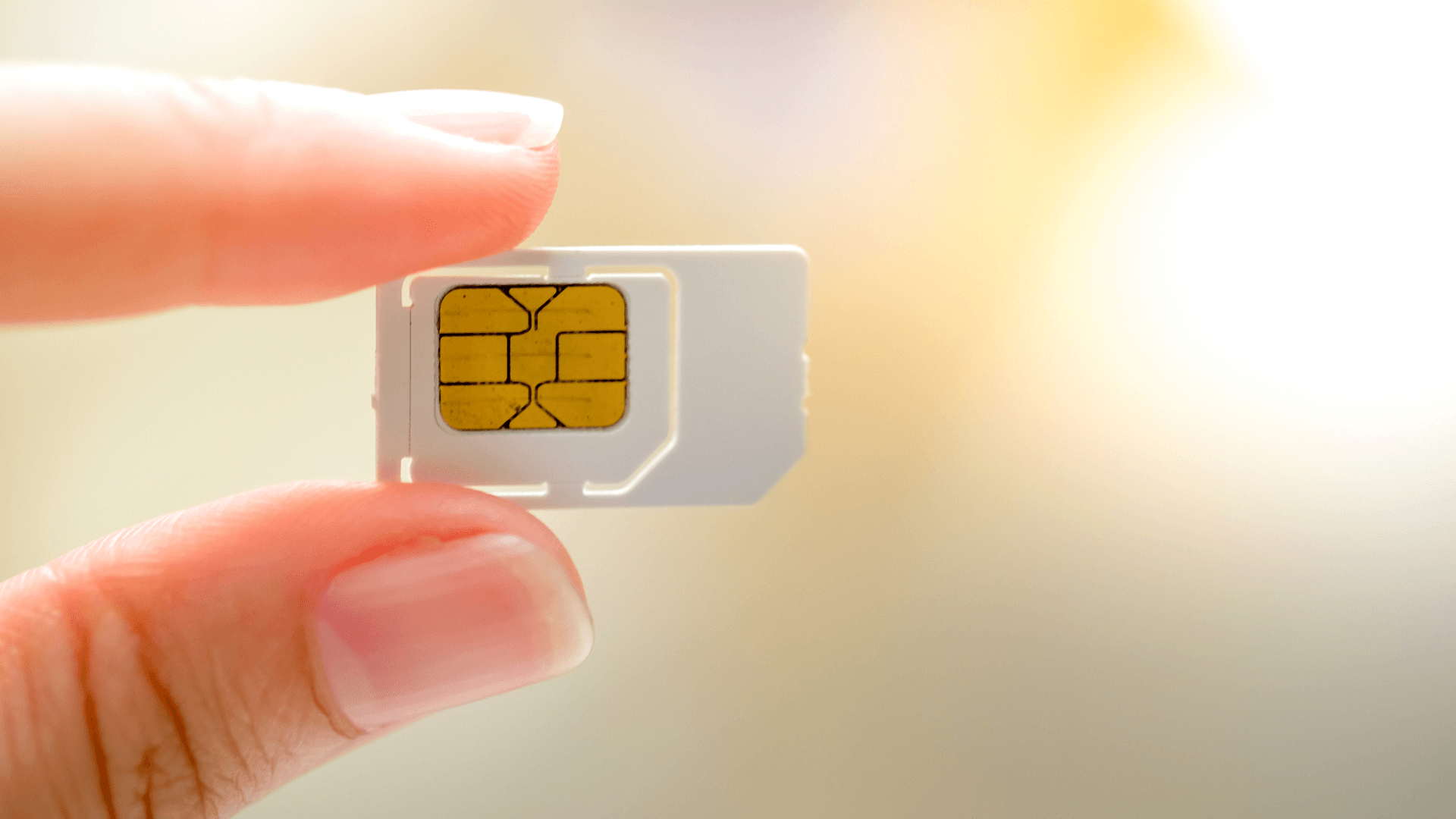
An eSIM, also known as an embedded SIM, inserts directly into a device’s hardware. Traditional physical SIM cards had limited capabilities but with eSIMs, users can alternate between plans and carriers without needing to change the card.
Instead of getting a new SIM card every time you change your network, an eSIM enables you to activate various network profiles over the air. This is available either through apps or a QR code.
This is highly beneficial for businesses who manage multiple devices as handling too many physical SIM cards can be inconvenient.
These days, modern devices are already eSIM compatible including smartphones, laptops and IoT (Internet of Things) devices. This compatibility of devices has resulted in more businesses choosing to adopt eSIMs, particularly those who work from mobiles remotely.
Which Industries Are Best Suited To eSIMs?
eSIMs are advantageous to most industries, but there are a few that stand to benefit more so than others.
Transport and logistics: Companies in this industry usually have fleets and teams scattered across borders and eSIMS offer connectivity in real-time with reduced roaming costs.
Travel and tourism: Those who are travelling internationally can have a more seamless experience with mobile connectivity provided by airlines or other travel businesses.
IoT industries: Sectors such as agriculture and manufacturing need the embedded connectivity to monitor their equipment in remote areas.
Healthcare: Those who offer remote patient monitoring devices, in addition to mobile clinics, can use eSIMs for the reliable transfer of data.
How Businesses Benefit From eSIMs
As the rapid adoption of eSIMs continues, more companies are realising the full benefit of using them. Let’s take a look at some of the top benefits of using eSIM technology for businesses specifically.
It Supports Connectivity For Remote Teams
Using eSIMs means that employees are able to connect to mobile networks straight away from wherever they are. This eliminates any time wasted on waiting for physical SIMs to arrive or racking up expensive roaming costs.
Remote employees who work in different countries can receive eSIM profiles through a QR code or e-mail from their companies instead of needing to be in the same region.
Costs Are Reduced
Businesses can significantly reduce call expenses by switching providers as required and not needing physical cards.
By using data and voice plans made available through local providers, businesses can get the most affordable deals.
Businesses Can Scale Quickly
SIM-enabled devices support business growth as operations expand globally. This eliminates the need to have to find multiple carriers or manage the logistics of shipping physical cards.
Less Redundancy With Multi-Networks
Devices that are eSIM-enabled are able to support multiple carrier profiles simultaneously. As users switch between networks, their connectivity is uninterrupted and they can stay online at all times.
This is critical in outlying areas who don’t have reliable coverage or if there is a natural disaster.
More Security Against Theft
Physical SIMs can easily be stolen or misplaced. However, eSIMs are more secure and can’t be tampered with as easily. This prevents cases of SIM-swapping fraud or any unauthorised access.
If a device is stolen, it can be tracked through the eSIM technology and if need be, the eSIM can be deactivated itself.
It Has Environmental Benefits
Traditional SIM cards are made of plastic and also need to be packaged and shipped which is damaging to the environment. This is not the case with eSIMs and using them can greatly reduce a company’s carbon footprint.
This supports businesses who are committed to environmentally-friendly practices by minimising waste.
Businesses Are Prepared For The Future
Devices are slowly becoming eSIM-only which means that by using them now, companies are preparing themselves for a future where physical SIMs become obsolete.
Having an early transition now at a speed that a business is comfortable with will reduce any future disruptions.
What Is The Future Of eSIMs?
eSIM technology is in a position to revolutionise the global connectivity landscape, helping industries to become more flexible and automate their processes.
With the manufacturing of eSIM-only devices, eSIMs are poised to become the global standard for connectivity.
eSIMs will also continue to evolve as we have seen the emergence of iSIMs. These are embedded into a device’s main processor and will offer even more secure and efficient solutions.
By using eSIMs, businesses can keep their communications running smoothly while supporting sustainability efforts and scaling. There is no doubt that eSIMs will be a central component in cross-border communication in the years to come.