Smartphones have dominated the tech industry for their ability to integrate all aspects of life into one device. Social media platforms connect people all over the world and information about any topic can be retrieved in seconds.
Need to make a payment? You can access your online banking with your phone. Want to shop your favourite stores from the comfort of your home? Just visit their website and transact securely. Do you need meal plan suggestions or personalised workout routines? There are apps for that.
With your mobile device, you can manage just about every aspect of your life. It’s convenient, and you are always connected. For this same reason, phone retailers have noticed a shift in the demand for smartphones.
Too much screen time can take its toll on mental and physical health. It affects sleep routines, can cause vision problems and mental well-being if you are constantly exposed to things you shouldn’t be. Smartphones have been identified as the problem, and this has given rise to, literally the opposite, the popularity of dumphones.
What Are Dumbphones?
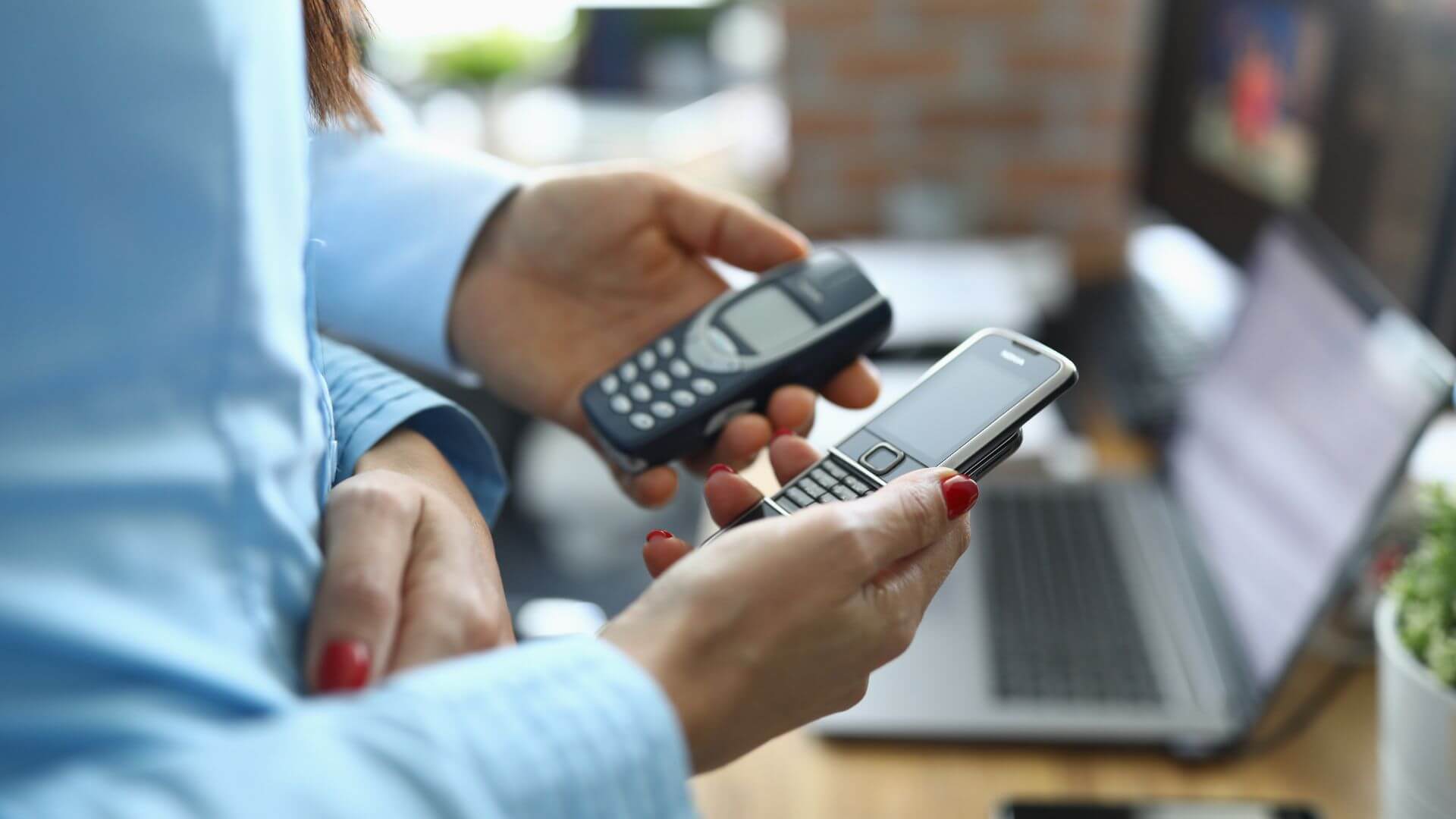
Designed to only have basic features such as calling and texting, dumbphones take a simplistic approach to technology. They are similar to the phones that were popular in the early 2000s. Removing the ability to access social media and other apps means that screen time is automatically restricted.
According to Reid Health, adults should ideally spend less than two hours a day using a screen for personal use, especially if they require a lot of screen time for work. Anything more than this can affect eyesight long-term, which can also cause headaches and neck pain.
With smartphones, the temptation of scrolling is always there especially because most people have their phones with them 24/7. Using a dumbphone means that you can still stay in touch with people, but with less of a distraction.
Why Using Dumbphones Can Be Beneficial
Adolescents and adults alike are making the decision to switch from smartphones to dumbphones to ‘go back to the basics.’ Aside from reducing screen time, they offer additional benefits too.
Improved Mental Health
Smartphones have provided easy access to information and content, but too much of it can cause an overload. Constantly receiving notifications, updates and messages can become overwhelming and lead to more anxiety and stress.
Dumbphones provide only the basic forms of communication for connectivity to be made possible, but not for hours of endless scrolling. This allows for healthy sleeping patterns, real-world interactions and improved attention spans.
Less Privacy Concerns
Most apps and websites accessed through smartphones collect and store data, often without people knowing it or understanding how their information is used. Without access to the Internet or apps, your data is protected when using dumbphones. This reduces the risk of third parties gaining access to your information.
Increased Productivity
It’s easy to become distracted by your smartphone, with an endless amount of social media platforms and apps to check constantly. Dumbphones are only used for essential communication, so you can limit all distractions and improve your productivity during the day.
It’s Cost-Effective
Smartphones, especially the top-of-the-range devices, come with a hefty price tag. In addition to this, you will also need to factor in the cost of data and app subscriptions. Dumbphones are a more affordable option and generally have a longer battery life, making them a cost-effective choice.
They Offer Simplicity
Apps and social media platforms are designed to be addictive, and there is constant pressure for people to use them on a daily basis. For those looking to escape the online pressure, dumbphones only provide the essential functions to allow people to focus on things that matter more to them.
Will Companies Make Dumbphones?
The demand for dumbphones from consumers is certainly there, but they are not a priority to major tech companies. The lack of features and software doesn’t offer attractive margins for them to make a profit.
However, more startups have begun to emerge to address the preferences for dumbphones. Smaller manufacturers have developed their own versions of dumbphones in the growing niche market.
As the effects of smartphones on health and well-being are becoming more evident, the dumbphone industry is expected to increase in the coming years. Consumers are now making the decision to prioritise their health over being connected.