
Traditional phone lines have become a thing of the past as more businesses turn to Voice over Internet Protocol (VoIP). Not only is making calls over the Internet cheaper and more flexible, it’s also highly scalable for growing teams.
For remote and hybrid teams, it completely removes any barriers to communication, meaning sales teams can follow up on leads while travelling or support agents can log in while working at home.
But something that is often overlooked is that when your phone system moves online, safety needs to be a priority.
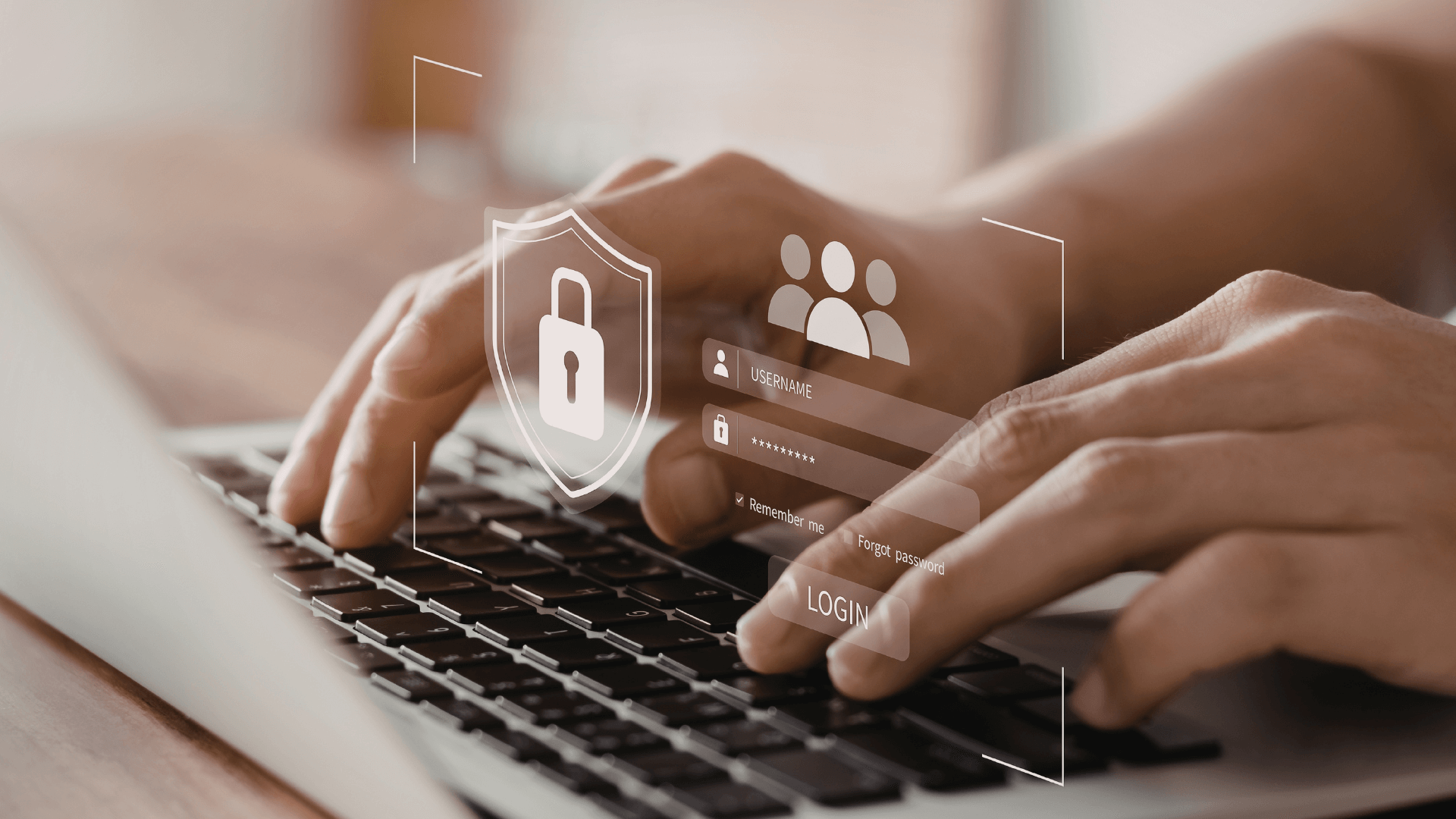
VoIP systems hold a lot of private business information from call recordings to Customer Relationship Management (CRM) integrations. Which makes it a target. Fortunately, one of the ways to protect your system is to use Multi-Factor Authentication (MFA).
Why Do VoIP Platforms Make Such An Attractive Target?
The thing to remember is that VoIP systems use the Internet to work, meaning they can be accessed from anywhere in the world. Sure, that flexibility is great for teams working remotely. But it also means that hackers can access your data without physically going anywhere.
Here are some of the ongoing security threats faced by VoIP systems.
Calls Can Be Intercepted
If a cyber criminal were to gain admin-access to your VoIP system, they can listen in on conversations and access call recordings. It would be a compliance nightmare for industries such as healthcare and finance.
Password Attacks
A lot of people are guilty of using the same password for multiple platforms. If just one of those platforms experienced a data breach, attackers can use that password to gain access into your VoIP system.
Toll Fraud
Toll fraud is one of the most common VoIP attacks. It happens when a hacker gains entry into the system and makes hundreds, if not thousands, of international calls to premium-rate numbers. And you only discover it at the end of the month when you receive the massive phone bill.
What Is Multi-Factor Authentication?
MFA is a process of logging into a system that involves multiple steps or more than just one piece of information for extra verification to make sure that you are who you say you are.
It’s usually made of up three categories. The first one is something you know like a password or a PIN. The second is something you have such as an authenticator app to confirm access. And the last is something you are whether it be biometrics or facial recognition.
If you only had a username and a password, it would be too risky. But even if a hacker managed to get your password, they still wouldn’t be granted access without the second factor. It really makes a huge difference in your security efforts.
The Impact Of Not Using MFA
It happens all too often where smaller businesses assume that they are not big enough to be targeted, and that is just simply not true. It all comes down to having weak login portals, which automated bots continuously scan the Internet for.
Whether you are a startup or multinational, if you happen to have a weak portal, you become an attractive target.
And the consequences can be both devastating and extremely expensive. From toll fraud bills and regulatory fines to loss of customer trust and harm to your business reputation, the effects are just too large to overlook.
How To Use MFA In Your VoIP System
Using Multi-Factor Authentication is fairly straightforward, and some VoIP providers will have it integrated into their plans from the start. But in order to give yourself and your team the best possible protection, it needs to be used correctly.
All team members should use it: MFA shouldn’t be reserved only for admins because attackers tend to target the standard user accounts first and work their way up from there.
Use authenticator apps: These are more secure than SMS-based MFA because they generate time-based codes and aren’t vulnerable to SIM swaps.
Monitor login activity: In your settings, you can enable login alerts. If someone tries to login multiple times and fails, or from an unusual location, you can report it as suspicious activity.
Use strong passwords: In addition to MFA, make sure that you are still using unique passwords. These can be stored in password manager apps and it’s worth changing them every couple of weeks for good measure.




 provides a vital layer of security for VoIP platforms in the cybersecurity landscape.)